

Advanced LED Display Manufacturing: Technical Insights and Industry Best Practices
The LED display industry has witnessed remarkable advancements in both technology and manufacturing processes over the past decade. As a professional LED display engineer with extensive experience, I aim to provide a comprehensive overview of the critical technical parameters, manufacturing standards, and practical insights essential for producing high-quality LED LCD screens that meet global requirements.
LED (Light Emitting Diode) displays differ fundamentally from traditional LCD screens by utilizing arrays of microscopic LEDs as individual pixels, delivering superior brightness, contrast, and color accuracy. Today’s advanced LED displays are widely employed in fields ranging from large-scale digital billboards and stadium screens to high-resolution indoor displays, medical imaging, and professional broadcasting.
Technical Parameters and Key Performance Indicators
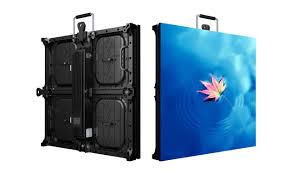
1. Pixel Pitch: Defined as the distance in millimeters between the center of two adjacent pixels, pixel pitch determines the resolution and viewing distance of LED displays. For indoor displays, pixel pitch typically ranges between 1 mm and 4 mm, allowing for crisp images at close range. Outdoor displays commonly have a pixel pitch of 10 mm to 20 mm to accommodate longer viewing distances and higher brightness requirements.
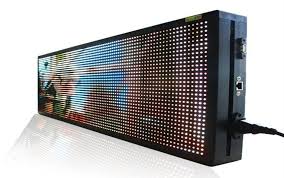
2. Brightness: Measured in nits (cd/m²), brightness directly impacts display visibility under various lighting conditions. Outdoor LED displays require brightness levels typically above 5,000 nits to withstand direct sunlight, while indoor displays generally maintain 800 to 1,500 nits to avoid eye strain while ensuring vivid images.
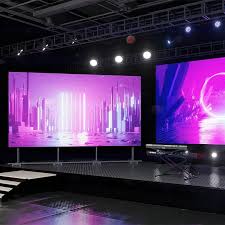
3. Refresh Rate: Refresh rate influences the display’s visual smoothness and flicker control. For professional video and broadcast applications, a refresh rate of at least 3,840 Hz is recommended to eliminate flicker in high-speed camera recordings, in line with industry standards such as those defined by the Society of Motion Picture and Television Engineers (SMPTE).
4. Color Calibration and Gamut: Modern LED displays employ 14-bit or higher grayscale and full 24-bit color depth to achieve precise color reproduction. Adherence to color standards like sRGB or AdobeRGB is crucial for applications demanding color fidelity, including medical imaging and graphic design.
5. Viewing Angle: High-quality LED panels provide wide horizontal and vertical viewing angles, typically above 160°, ensuring consistent image quality across large audiences.
Manufacturing Process and Quality Standards
Manufacturing high-performance LED displays requires precise control over component placement, soldering, and encapsulation. Surface mount technology (SMT) with automated pick-and-place machines ensures accurate LED placement, while thermal management techniques, including efficient heat sinks and thermal interface materials, maintain LED longevity and prevent color shift due to overheating.
Industry standards, such as the International Electrotechnical Commission’s IEC 62368 and the Institute of Electrical and Electronics Engineers’ IEEE 802.3 for communication interfaces, govern safety and data transmission protocols respectively, ensuring product reliability and interoperability.
Traceability of LEDs via binning processes rated by luminous intensity, wavelength, and forward voltage is critical. Matching LEDs within the same bin minimizes color variation across the display. State-of-the-art factory testing equipment assesses parameters such as brightness uniformity, pixel failure rates, and response time to guarantee product performance before shipment.
Case Studies and Applications
A notable example includes LED display installations in FIFA World Cup stadiums, where robust outdoor LED panels with pixel pitches of 10 mm, brightness exceeding 6,000 nits, and refresh rates above 4,000 Hz have been deployed to deliver sharp visuals to audiences in challenging weather and lighting environments.
Indoor LED walls used for corporate presentations and control rooms highlight the importance of fine pixel pitch (1.2 mm to 2.5 mm) and precise color calibration to facilitate detailed visualization of data and video content.
Future Trends
Emerging trends involve MicroLED technology, promising even higher resolution, improved energy efficiency, and longer lifespans compared to conventional LEDs. Additionally, flexible and transparent LED displays are gaining traction, expanding possibilities for innovative architectural and automotive applications.
Conclusion
In summary, producing high-quality LED displays mandates rigorous adherence to technical parameters such as pixel pitch, brightness, refresh rate, and color fidelity, alongside meticulous manufacturing processes governed by international standards. By integrating cutting-edge technologies and comprehensive quality control, manufacturers can meet the diverse and demanding needs of global LED display markets, delivering products that combine exceptional performance, durability, and visual excellence.
For those involved in LED display production or procurement, keeping abreast of evolving industry trends and standards is essential to maintain competitive advantage and achieve superior outcomes in this rapidly advancing field.













