Bright, Energy Efficient COB LED Displays | Video Walls | Screens
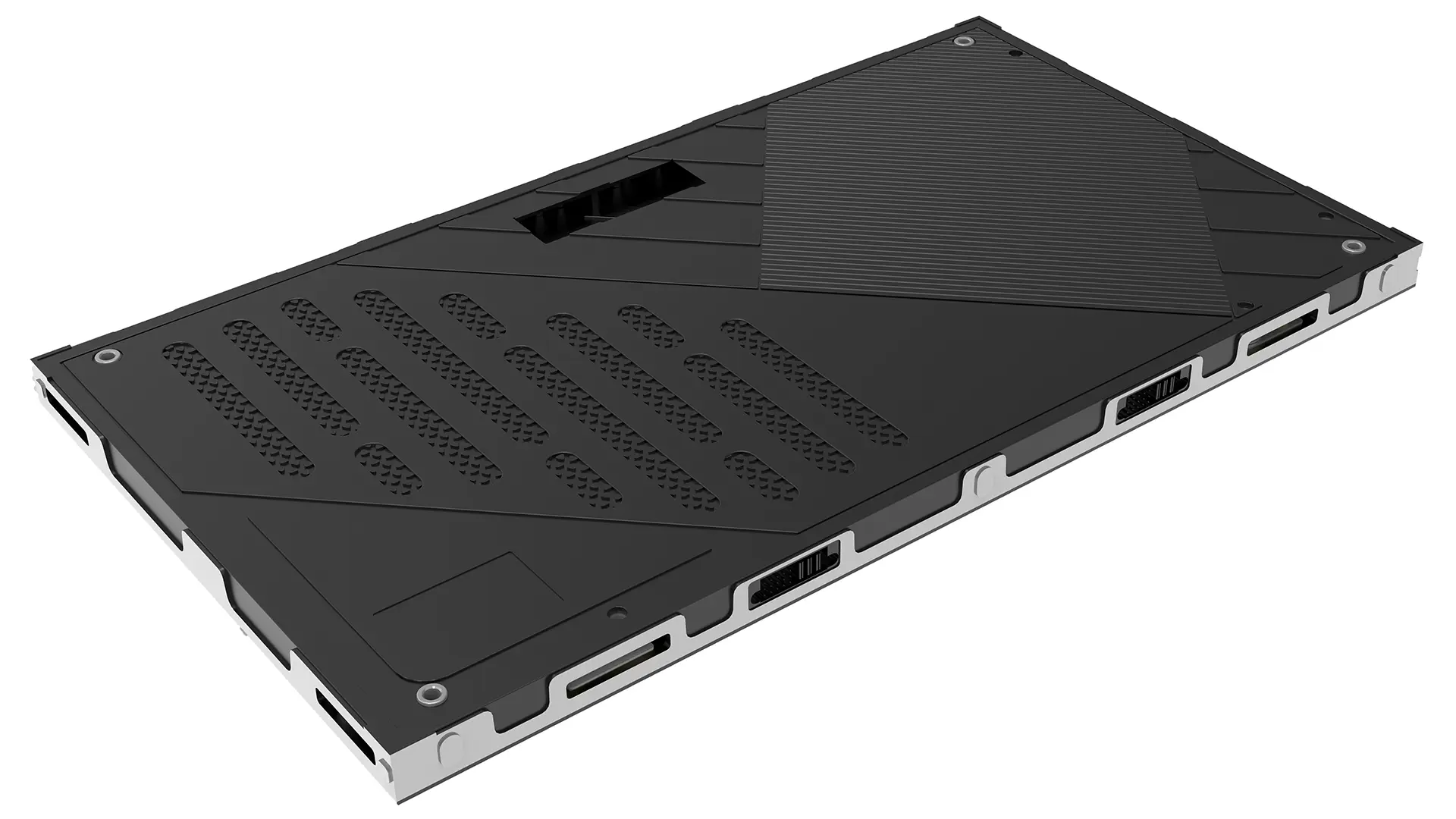
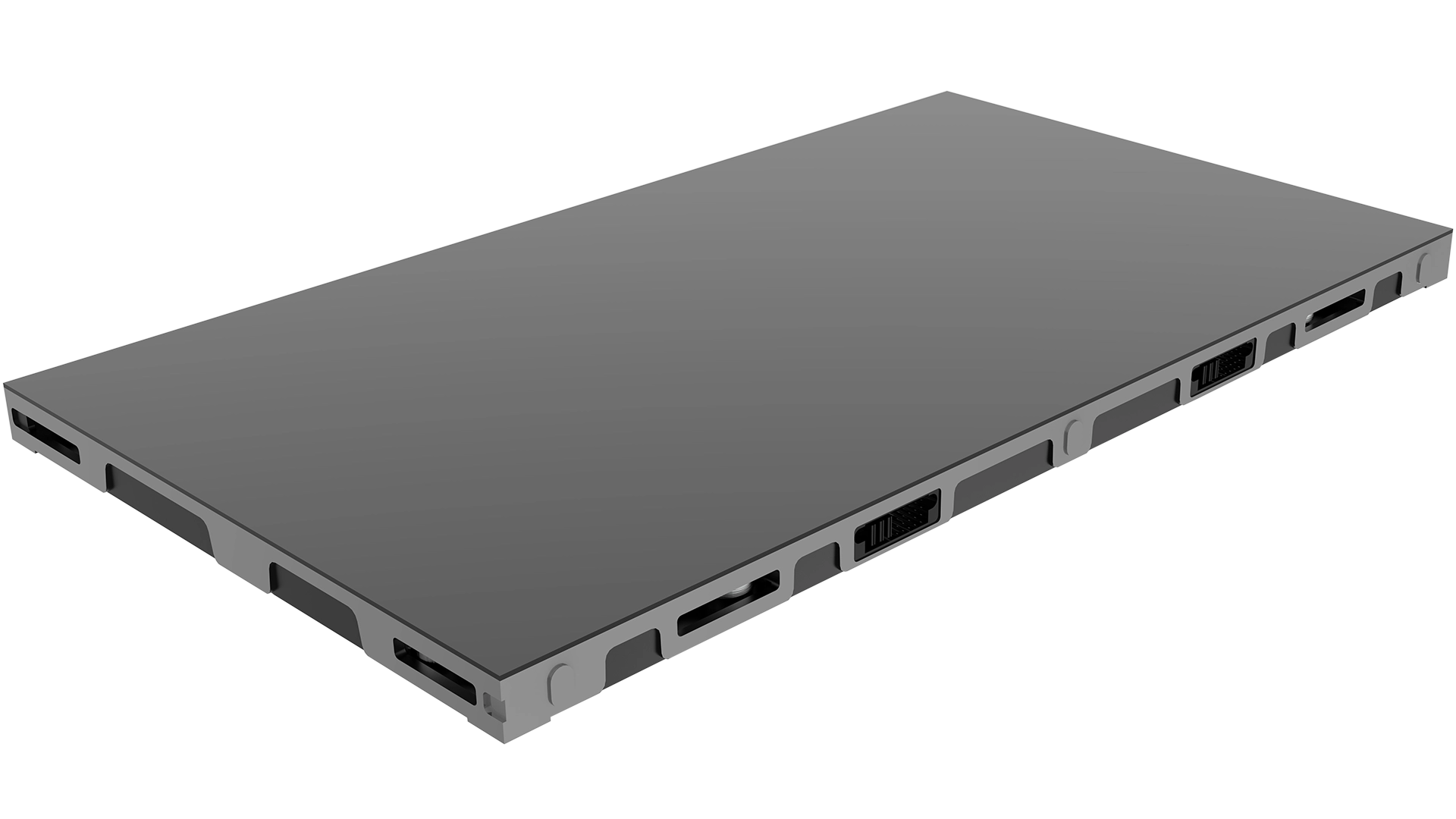
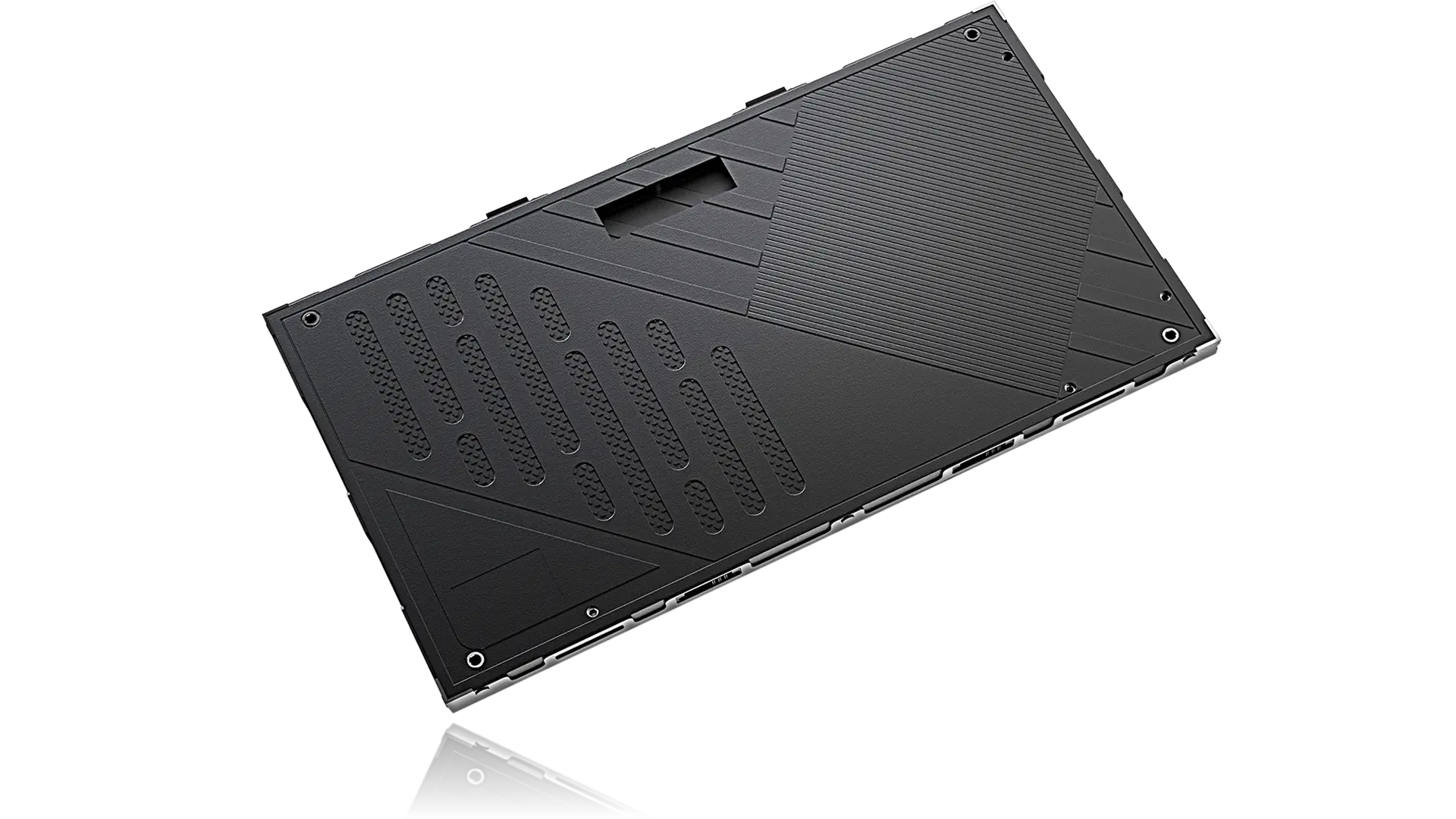
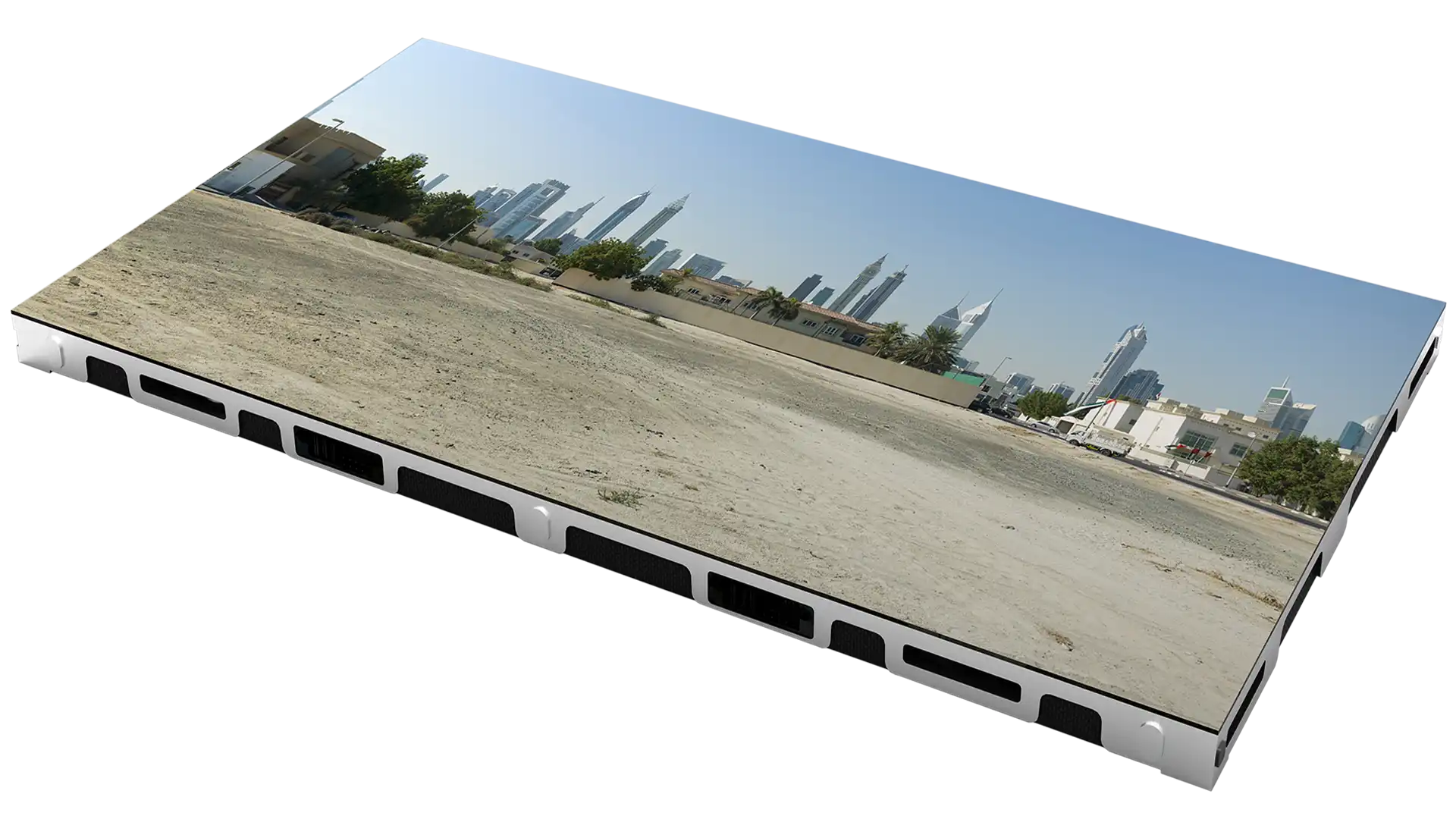

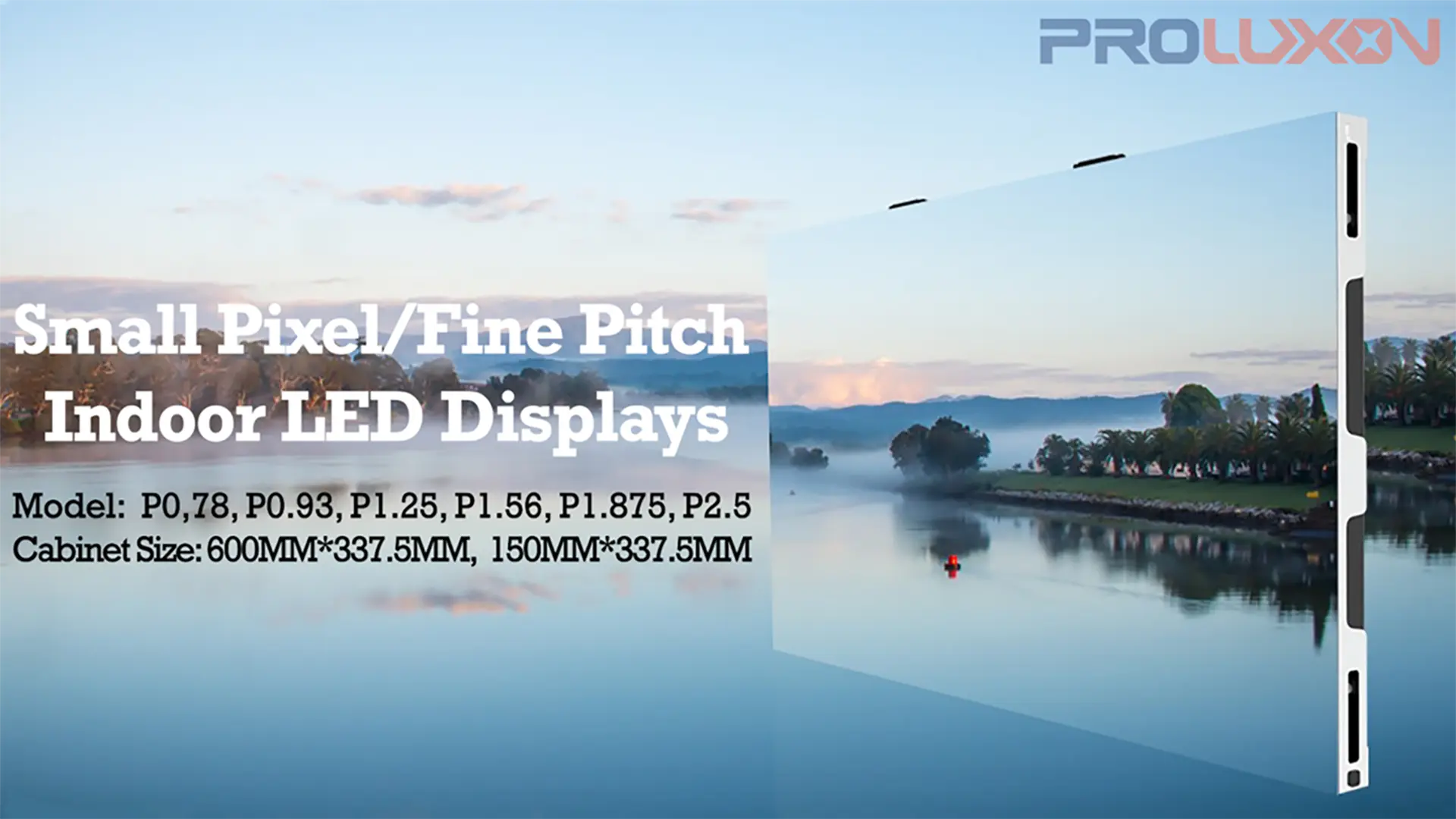
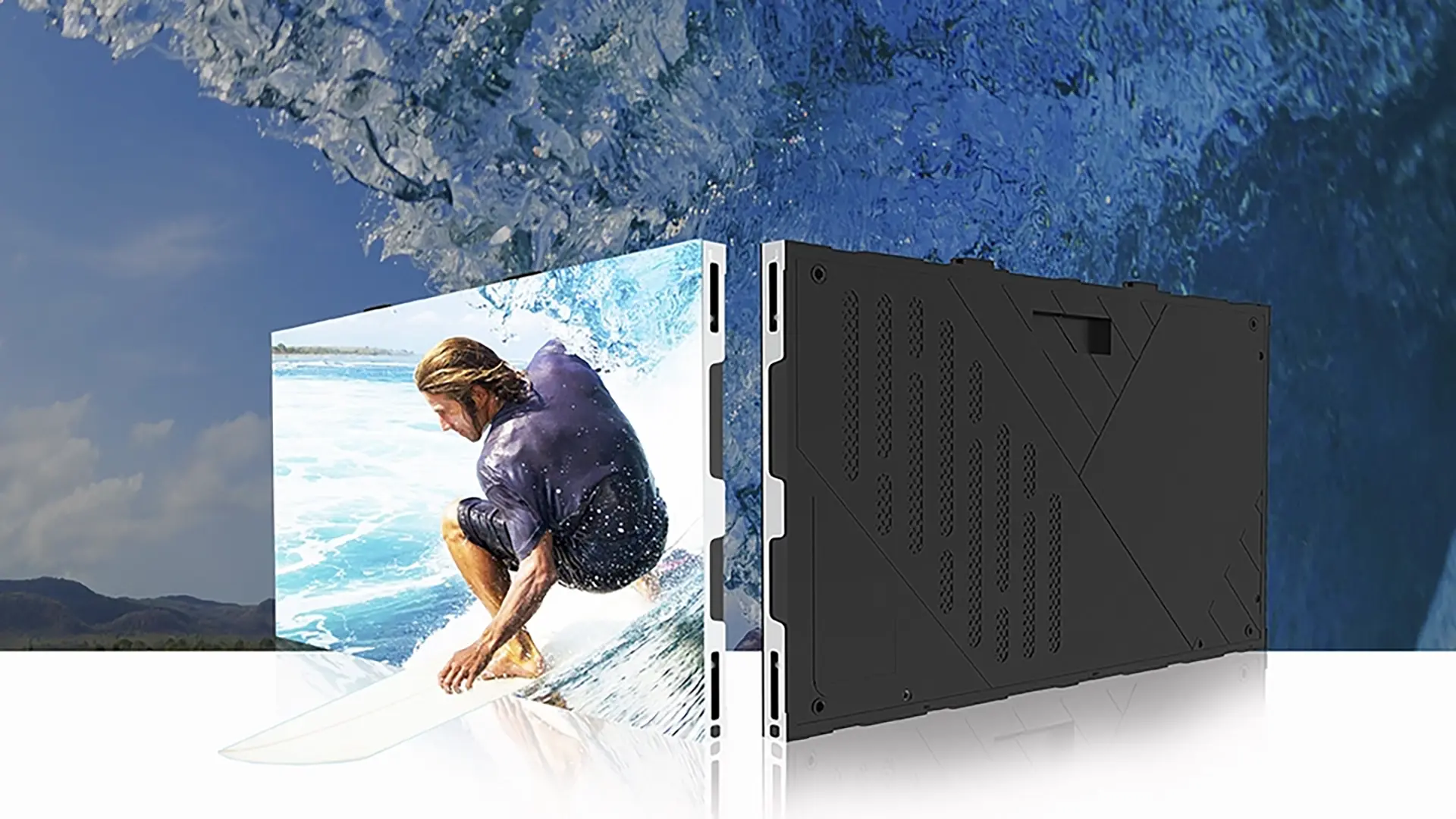
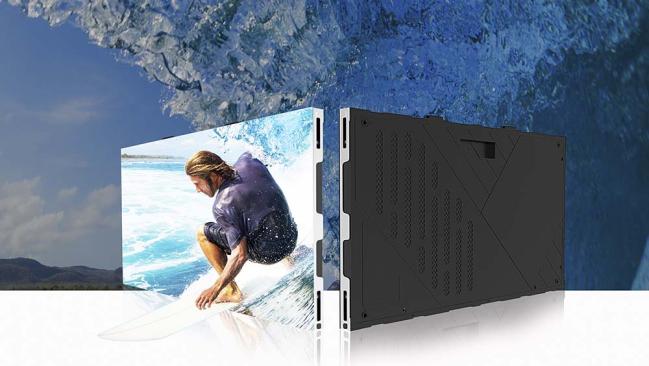
Answer-01: The Chip-on-Board (COB) technology utilized in LED displays entails the direct mounting of multiple LED chips onto a substrate, resulting in a densely packed array of light sources. This approach facilitates enhanced thermal management and increased lumen output when compared to conventional LED packaging methods.
Answer-02: COB indoor LED displays offer advantages such as enhanced thermal management, higher pixel density, improved reliability, better color uniformity, reduced glare and improved visual comfort. They also provide high resolution, excellent color consistency, wider viewing angles and enhanced reliability. Additionally, they feature seamless display surfaces and superior heat dissipation capabilities. Moreover, COB indoor LED displays offer higher brightness levels, improved heat dissipation efficiency, enhanced color uniformity and wider viewing angles. Furthermore, they tend to have a longer lifespan and can be more cost-effective in certain applications.
Answer-03: The COB indoor LED displays are widely utilized in various applications, including indoor advertising, retail signage, sports arenas, conference centers, and control rooms. Their exceptional brightness and color uniformity make them highly suitable for diverse indoor environments where visual impact is of utmost importance. Typical implementations of COB indoor LED displays encompass advertising campaigns, retail showcases, stage performances in enclosed spaces, conference facilities, control rooms as well as a wide range of indoor events that necessitate high-resolution and high-brightness display solutions.
Answer-04: COB indoor LED displays generally offer superior heat dissipation, enhanced brightness, improved color uniformity, and a wider viewing angle compared to other types of indoor LED displays. Moreover, they can provide a more seamless and high-resolution visual experience. In contrast to traditional SMD (Surface Mount Device) LED displays, COB technology offers superior color uniformity, higher pixel density, and enhanced reliability. It also ensures a more seamless display surface.
Answer-05: The maintenance of COB indoor LED displays typically involves regular cleaning to remove dust and dirt, inspecting for any dead pixels or anomalies, and ensuring proper ventilation for heat dissipation. Additionally, it is crucial to monitor the power supply and connections for any signs of wear or damage. Regular cleaning and inspection for loose connections or damaged components are recommended. However, due to its robust design, COB technology generally requires minimal maintenance.
Answer-06: The MIP technology offers numerous advantages, including efficient light mixing, high uniformity, absence of Mura effect, low-cost repairs and direct testing and sorting capabilities. It also exhibits unique compatibility with large-scale mass production of large-size Micro LEDs and is widely accepted by terminal display manufacturers. In scenarios involving smaller spacing and larger sizes for terminal displays, MIP effectively overcomes core bottlenecks related to yield, ink color consistency, uniformity inspection and repair costs. Consequently, it emerges as an ideal choice for Micro LED display production. Furthermore, apart from its technical benefits, MIP aligns with the original process of LED displays in terms of manufacturing process and technology aspects. This implies that MIP boasts higher compatibility across various manufacturing processes. Comparatively speaking between MIP and COB technologies: COB can only encapsulate LED chips with a bilateral size greater than 100μm whereas MIP can encapsulate LED chip sizes below 60um; at the display level itself - point spacing is smallest for MIP followed by COB. Overall analysis suggests that when considering factors such as LED chip size requirements electrical connection contrast mounting process repairability flatness mixed light bins etc.,MIP outperforms COB.

Outdoor Fixed LED Displays | Video Walls | Billboards
High-quality, energy-saving outdoor fixed LED display screens in P3.91, P4.81, P6.25, P7.81, and

Indoor LED Video Walls | HD Fixed Installation LED Displays
Experience the future of indoor advertising with our innovative right-angle, double-sided, ultrat

LED Video Walls: Small Pixel Pitch & Fine Pitch LED Displays
P0.9375, P1.25, P1.5625, and P1.875 indoor fixed fine-pitch LED displays offer superior visual pe

Takeaway Box | Delivery Box | Takeout Boxes LED Displays
LED display for P2, P2.5, P3, and P4 delivery boxes—commonly referred to as takeaway box LED sign

Taxi Roof LED Display | Car Top Advertising Screens
Taxi LED display, also known as a taxi top LED display and a taxi roof digital LED billboard,, mo

Transparent Digital LED Car Rear Window LED Display Screens
Transparent digital LED display for car rear windows is an advanced advertising solution using cu

Sports Stadium Perimeter Outdoor LED Display Screens
6.25 mm, 8.33 mm, and 10 mm pixel pitches sports stadium perimeter outdoor LED display screens ar

Taxi Top LED Displays | Car Roof Adveritising LED Screens
KSSDISPLAY hot-selling P2, P2.5, P3.076, P4 and P5 taxi top LED displays.

Rental Indoor LED Display | Event & Stage LED Video Walls
Rental indoor LED display with pixel pitches of 1.5625 mm, 1.95 mm, 2.5 mm, 2.604 mm, 2.976 mm, 3

Rental Outdoor LED Display Screens for Stage Event
Our rental outdoor LED displays are ideally suited for a wide range of applications, including co

Interactive LED Dance Floor Display Screen Manufacturer
P1.5625, P1.95, P2.5, P2.604, P2.976, P3.91 floor-mounted LED displays feature a specialized desi
Outdoor Commercial Advertising Digital Sigange LED Displays
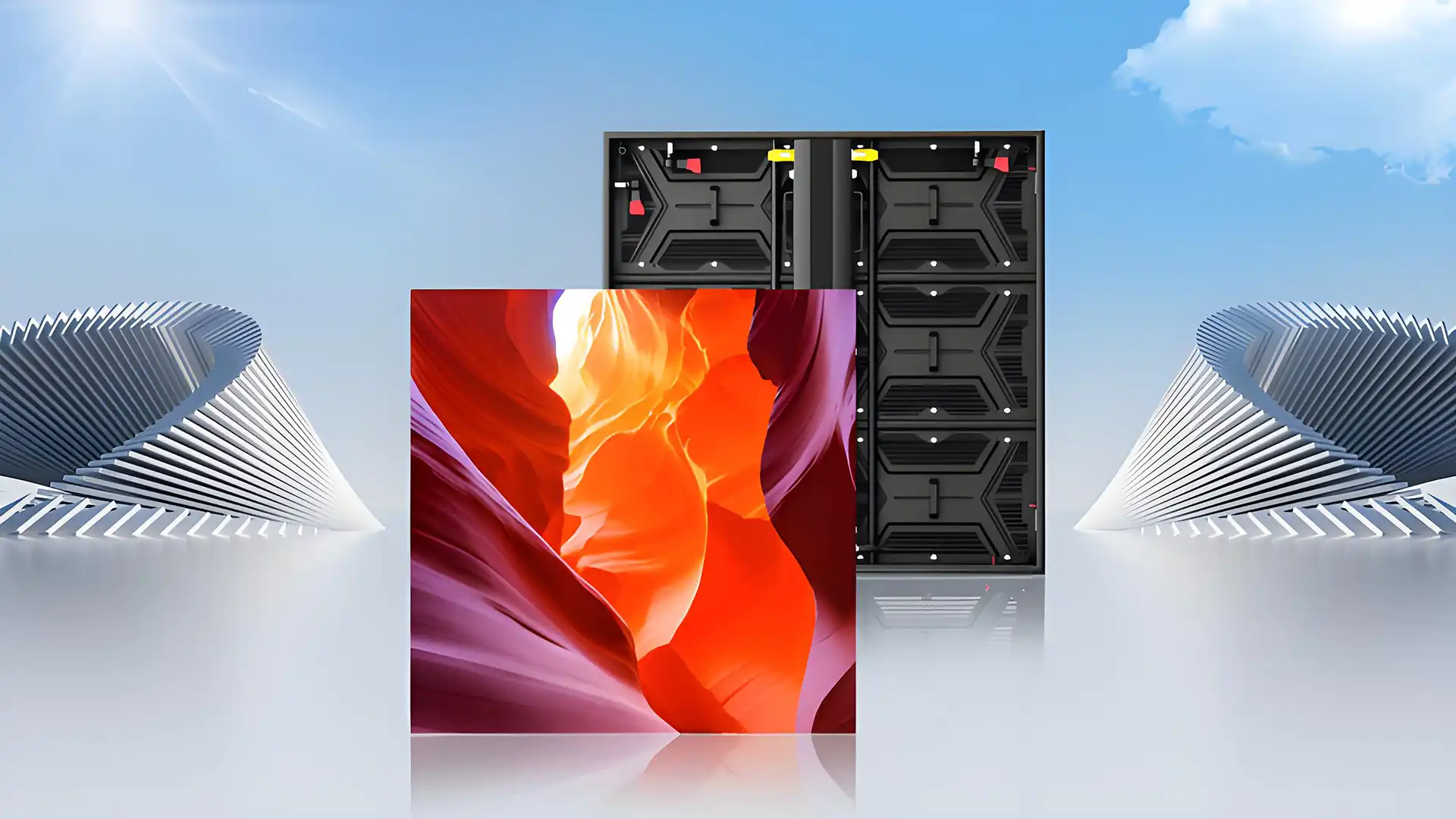
Pixel pitches of 4 mm, 5 mm, 5.71 mm, 6.66 mm, 8 mm, and 10 mm, with module sizes of 960 mm × 960

Outdoor LED Displays with Arc, Corner, Round and Curved Design
KSSDISPLAY arc, corner, round, and curved designs outdoor LED displays in P2.976, P3.91, P4.81, P6.

Customized Stadium Outdor LED Display for Football Field Perimeter
6.25 mm, 8.33 mm, and 10 mm customized stadium perimeter LED displays deliver high image quality
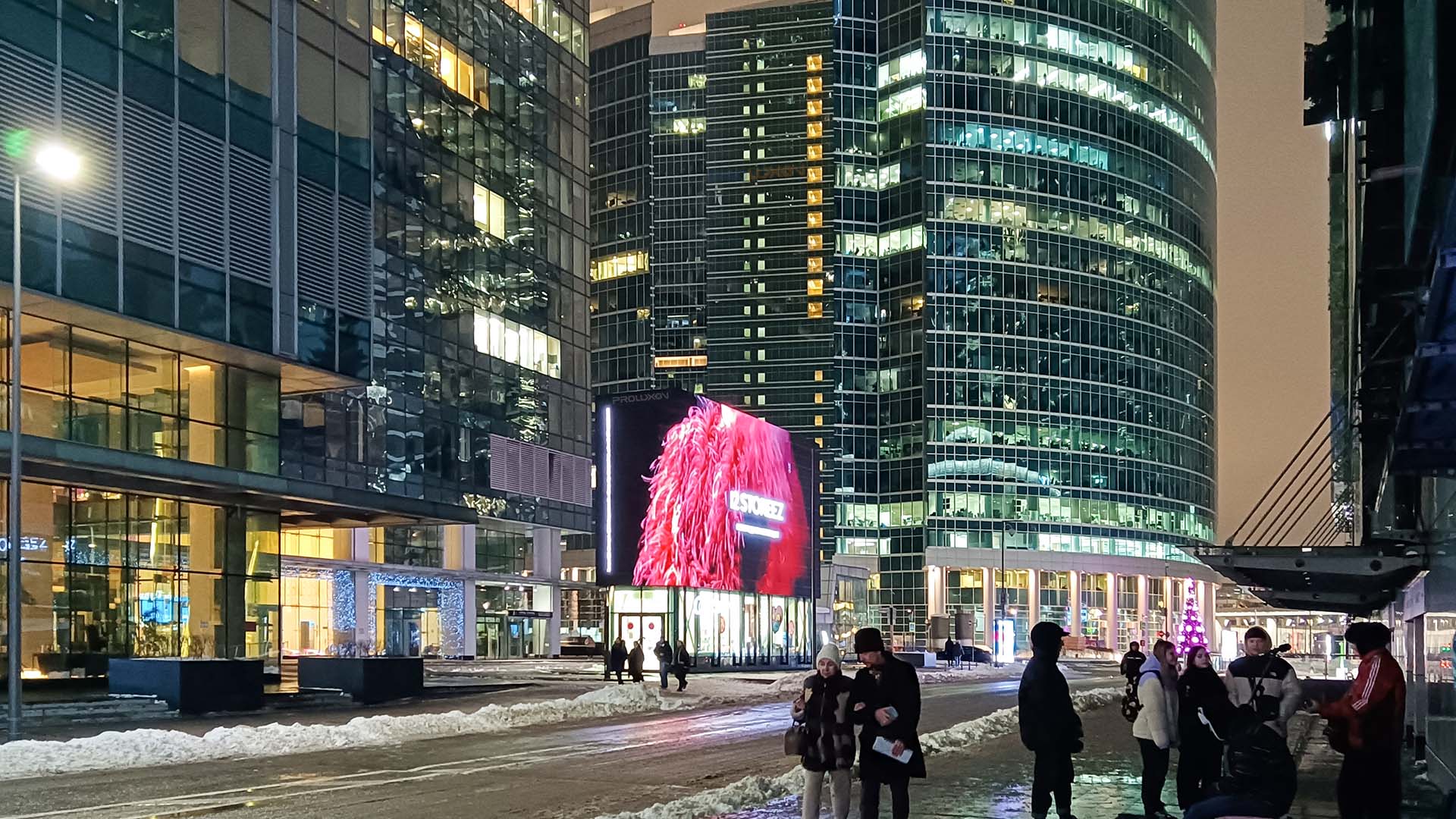
P6.25 Outdoor Advertising LED Billboard Display For Street Mounted In Russia
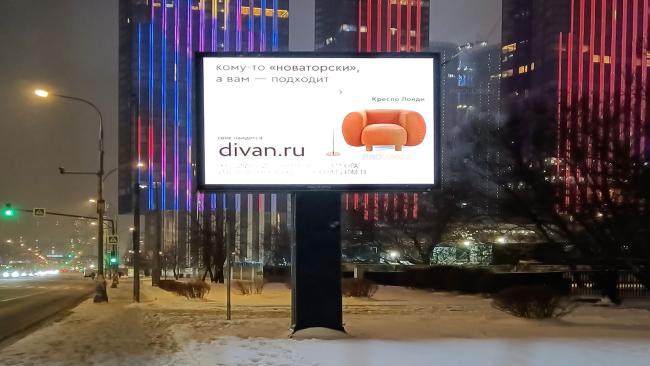
The P6.25 Outdoor Digital Signage LED Billboard Display for Street Mounting in Russia, completed by KSSDISPLAY Electron
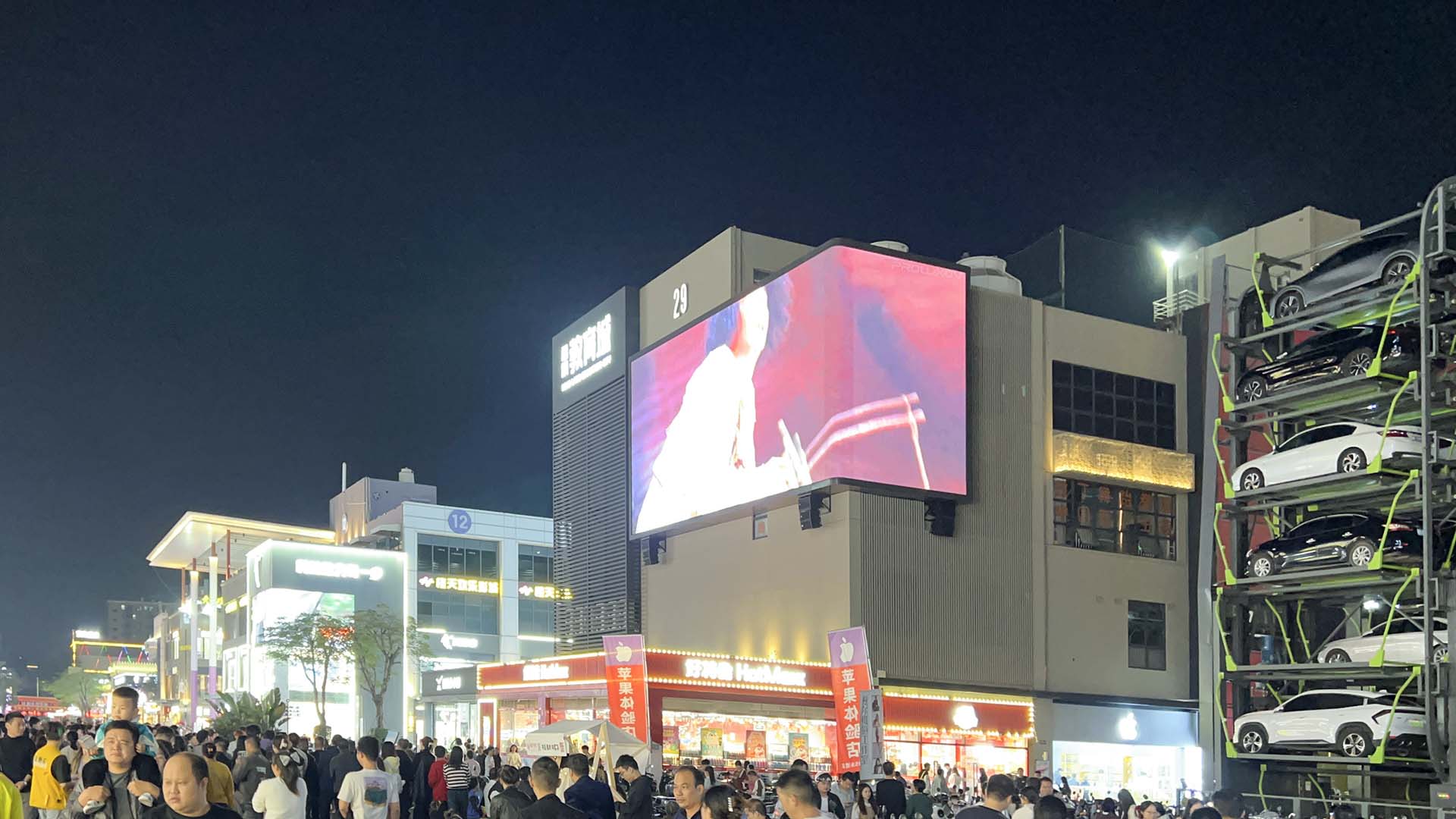
P5 High Brightness Corner Outdoor LED Display For Building In Shenzhen of China
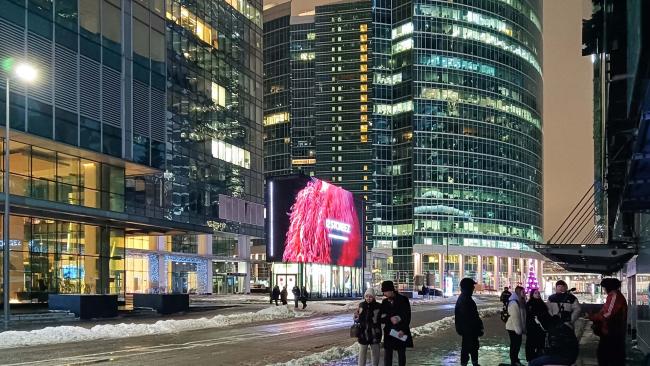
The P5 High Brightness Corner Outdoor LED Display for Building, developed by KSSDISPLAY Electronic, is specifically des
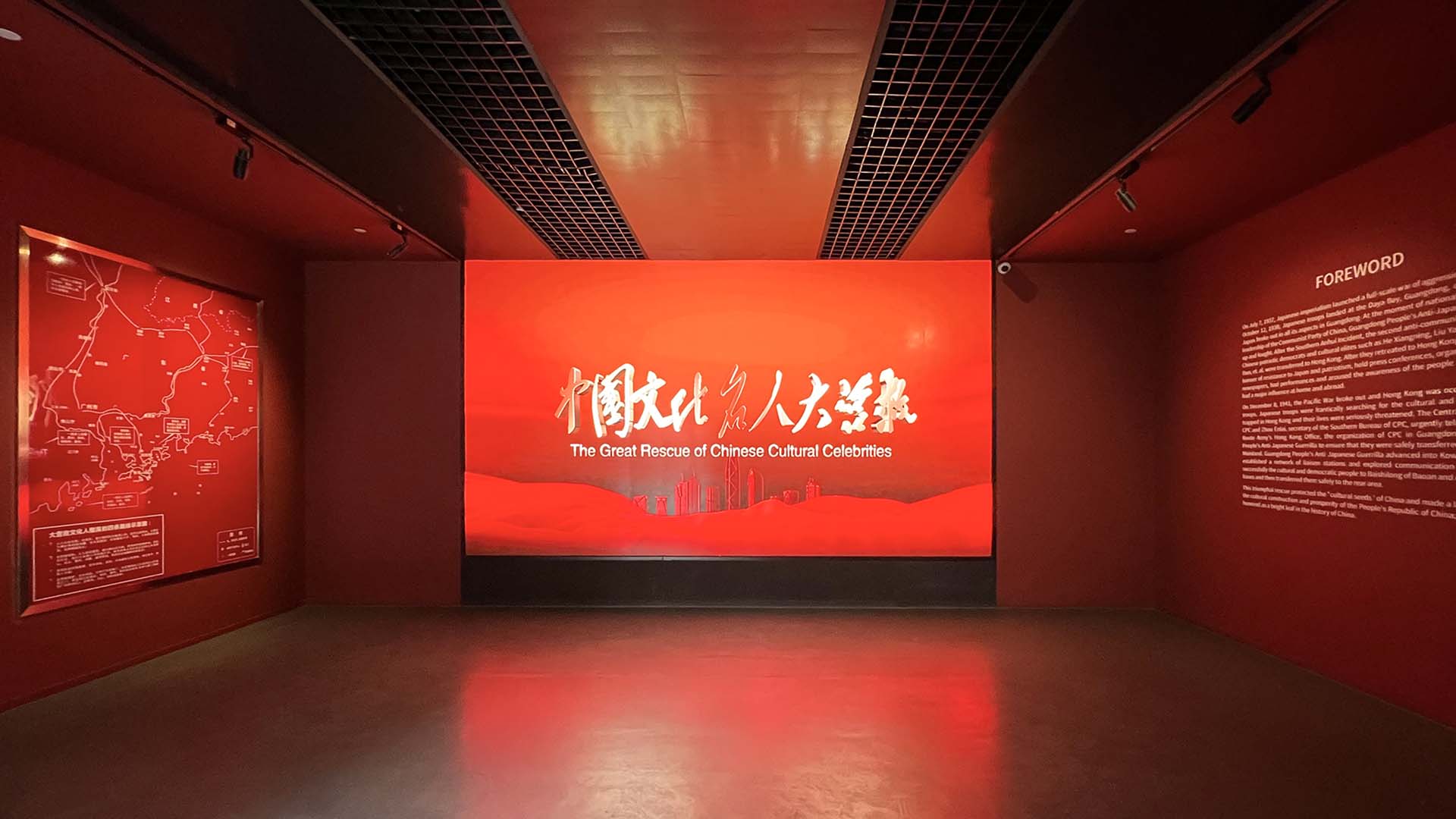
P1.5625 HD Indoor Digital Signage LED Video Wall for Cultural Center In China
The P1.5625 HD Indoor Digital Signage LED Video Wall, developed by KSSDISPLAY Electronic, is specifically designed for
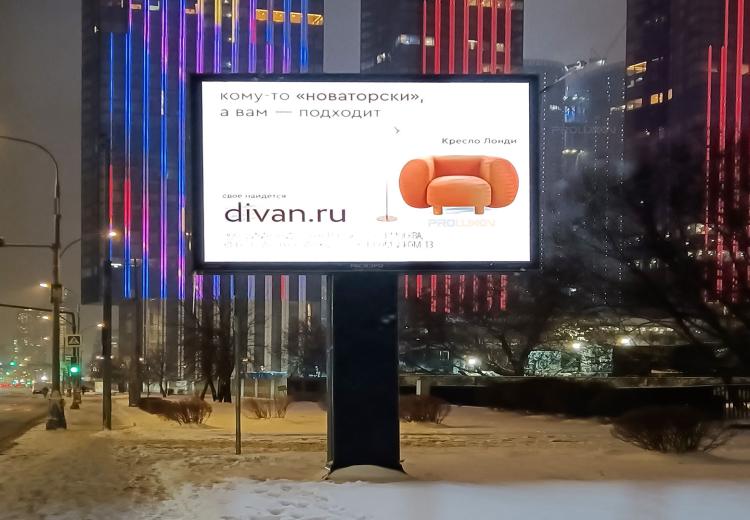
P3.91 Energy Saving Outdoor LED Display For Single Column Mounting in Russia
Referring to a specific type of outdoor digital signage or video display system, the P3.91 Energy Saving Outdoor LED
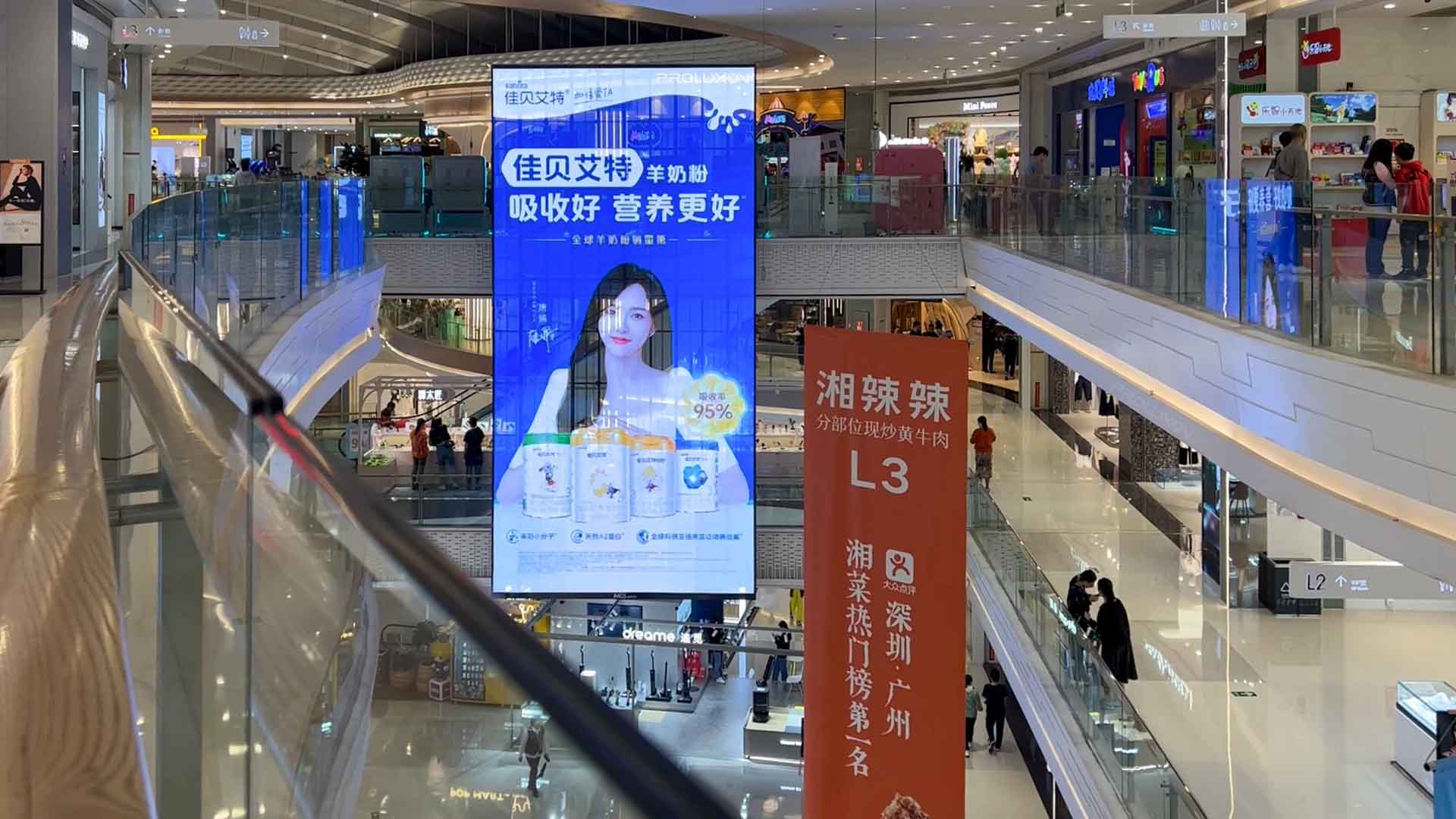
P3.91-7.81 Indoor Transparent Glass LED Display For Shopping Mall In China
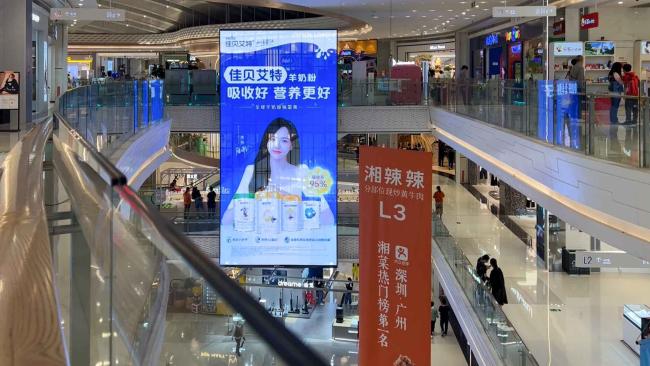
The P3.91-7.81 Indoor Transparent Glass LED Displays, completed by KSSDISPLAY Electronic in December 2023, illuminate t
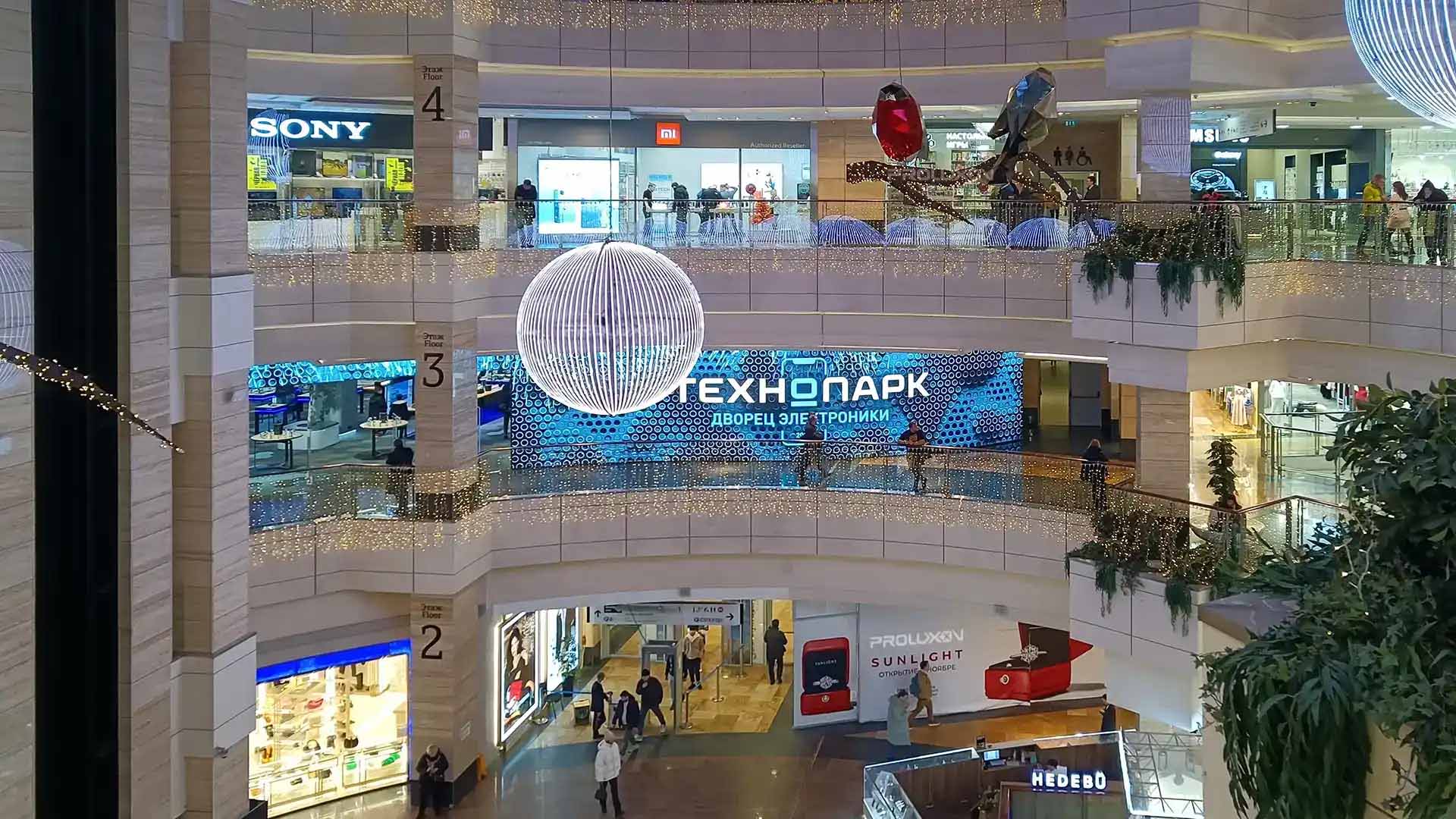
P2.5 High Resolution Indoor LED Display Screen For Shopping Malls In Russia
The P2.5 High Resolution Indoor LED Display Screen for Shopping Malls in Russia was completed by KSSDISPLAY Electronic
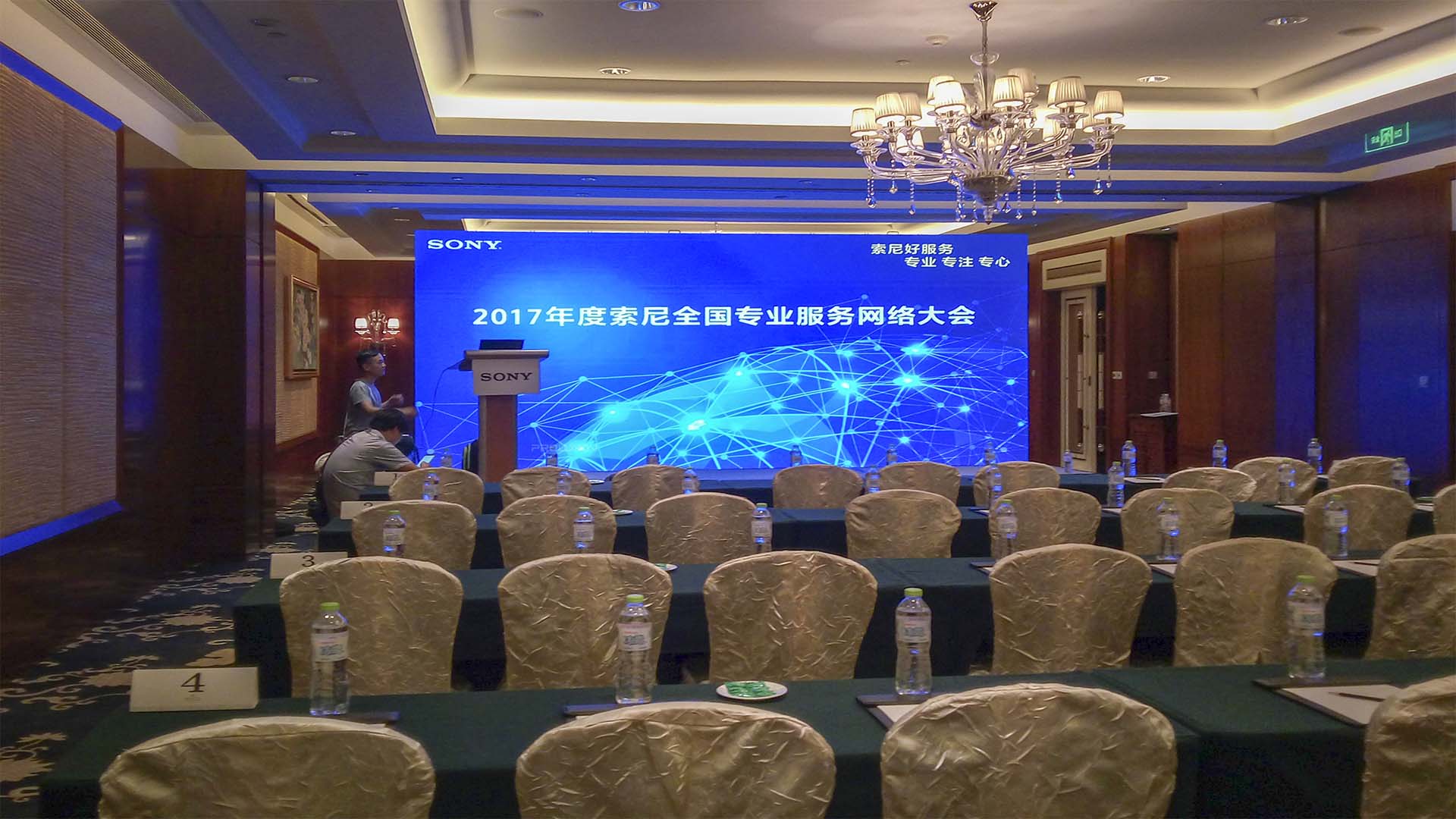
P3.91 Indoor Rental LED Display Screens For Meeting Room Projects In China
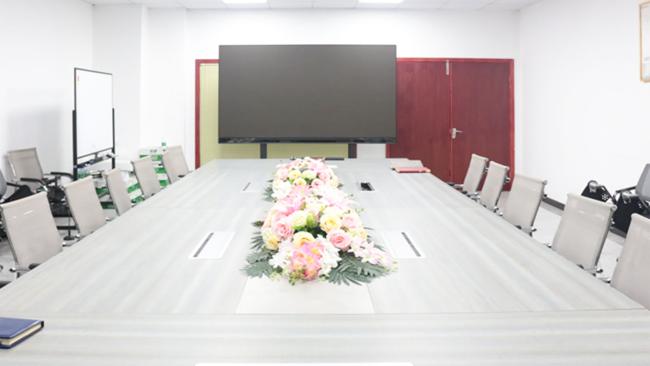
The P3.91 Indoor Rental LED Display Screens for Meeting Room Projects in China, completed by KSSDISPLAY in March 2017,
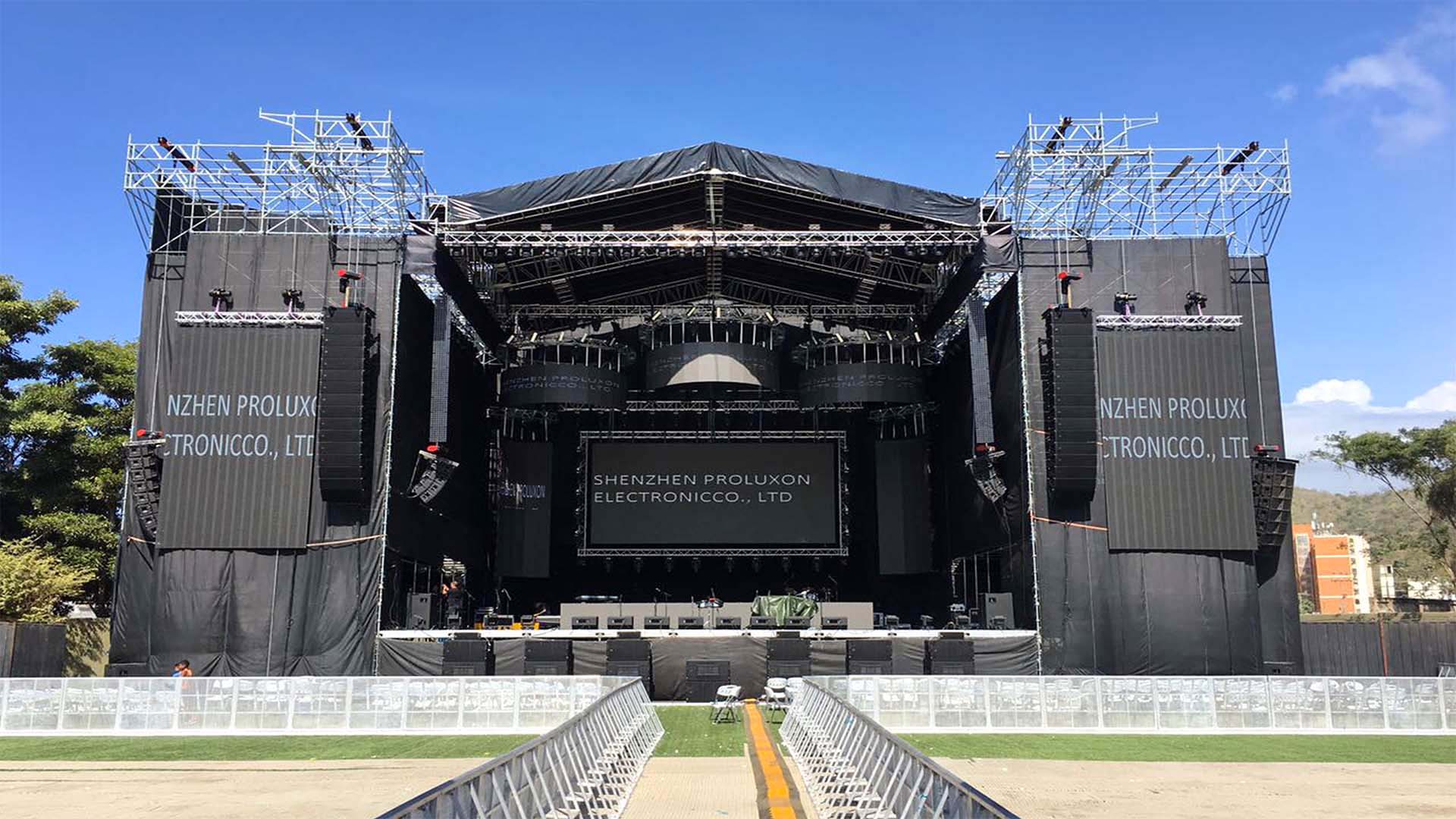
P4.81 Outdoor Rental LED Display Screen For Large-Scale Concert in Venezuela
The P4.81 Outdoor Rental LED Display Screen, completed by KSSDISPLAY in 2017 for the Large-Scale Concert application in
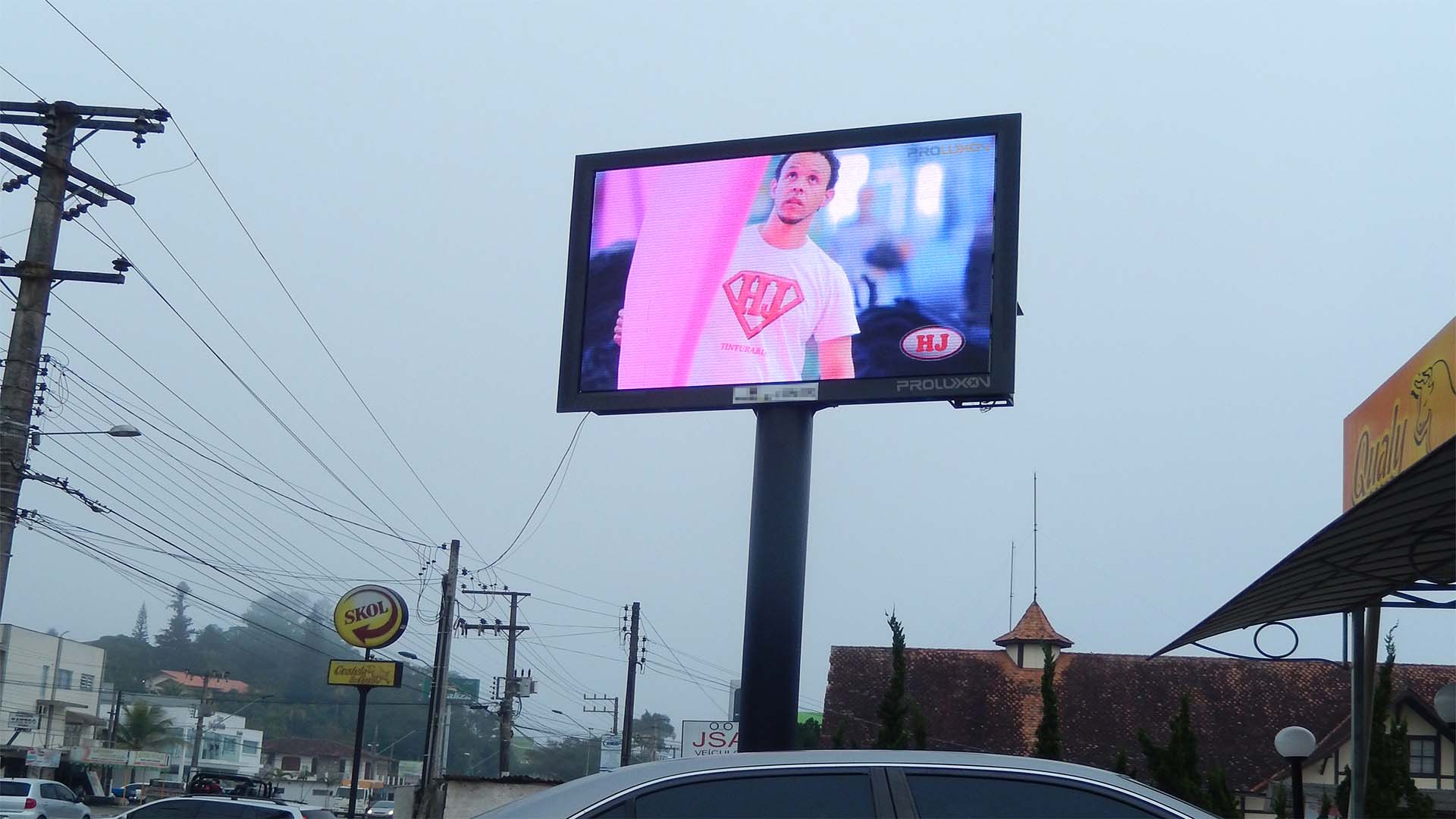
P12 DIP346 High Brightness Outdoor LED Display Installed on Street in Brazil
P12 DIP346 High Brightness Outdoor LED Display Installed on Street in Brazil were completed by KSSDISPLAY Electronic in
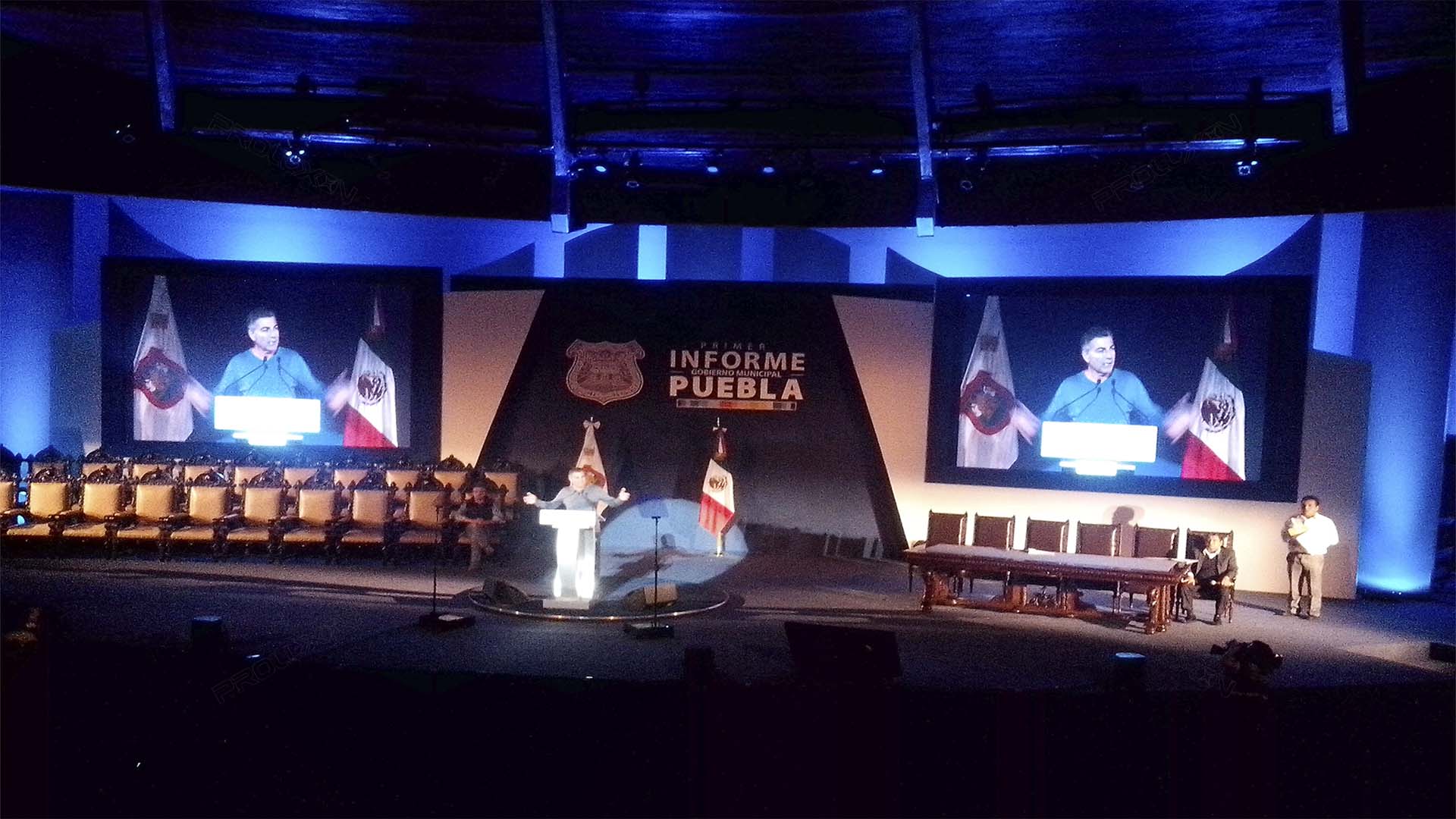
P3.91 Indoor Rental LED Display Screens For News Conference Event in Mexico
P3.91 stage event indoor rental LED display for news conference application in Mexico City, Mexico, completed by Prol
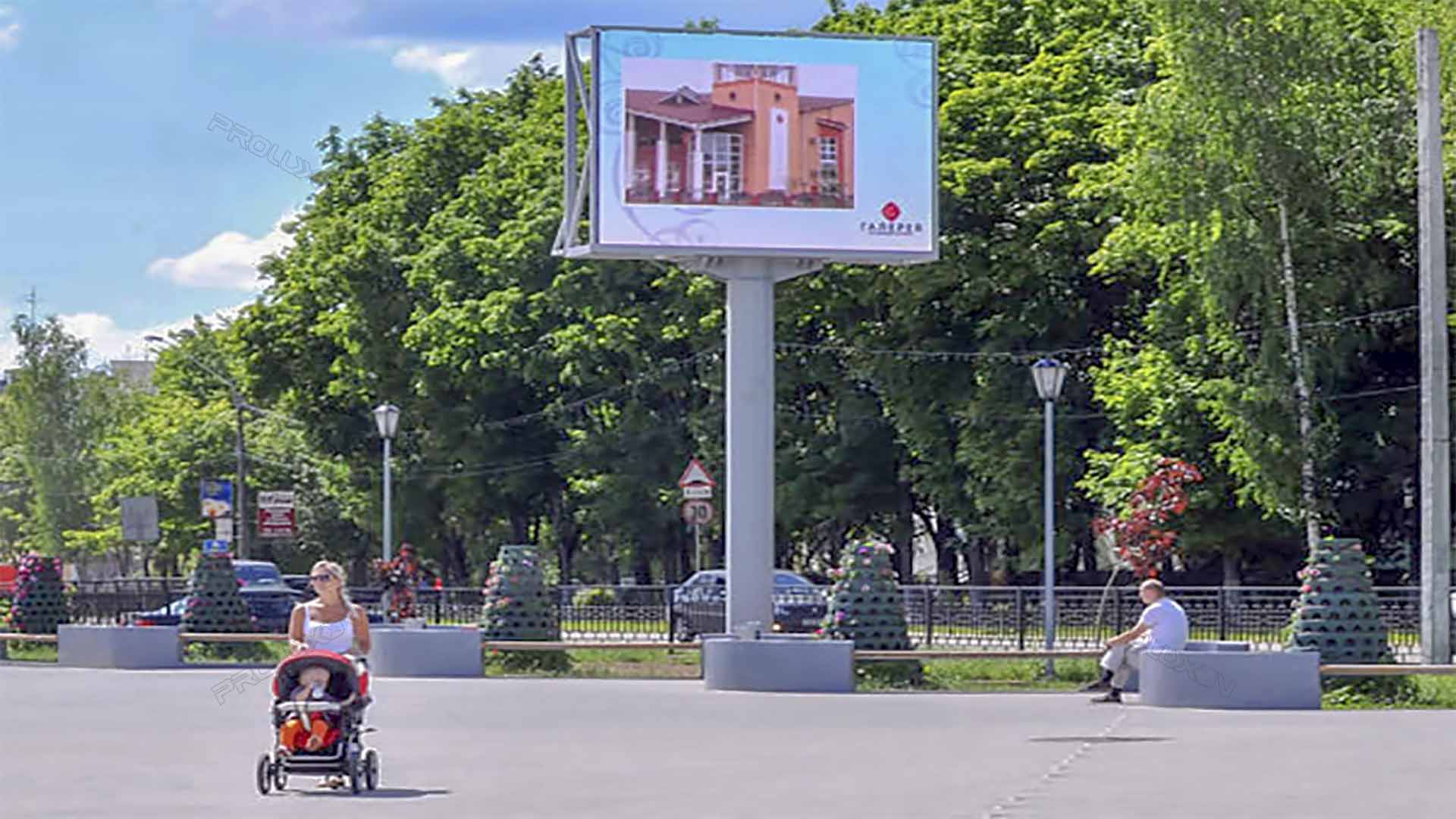
P8 SMD Outdoor Digital Signage Advertising LED Billboard Screens In Russia
P8 SMD Outdoor Digital Signage Advertising LED Billboard Screens in Moscow, Russia has been successfully accomplished
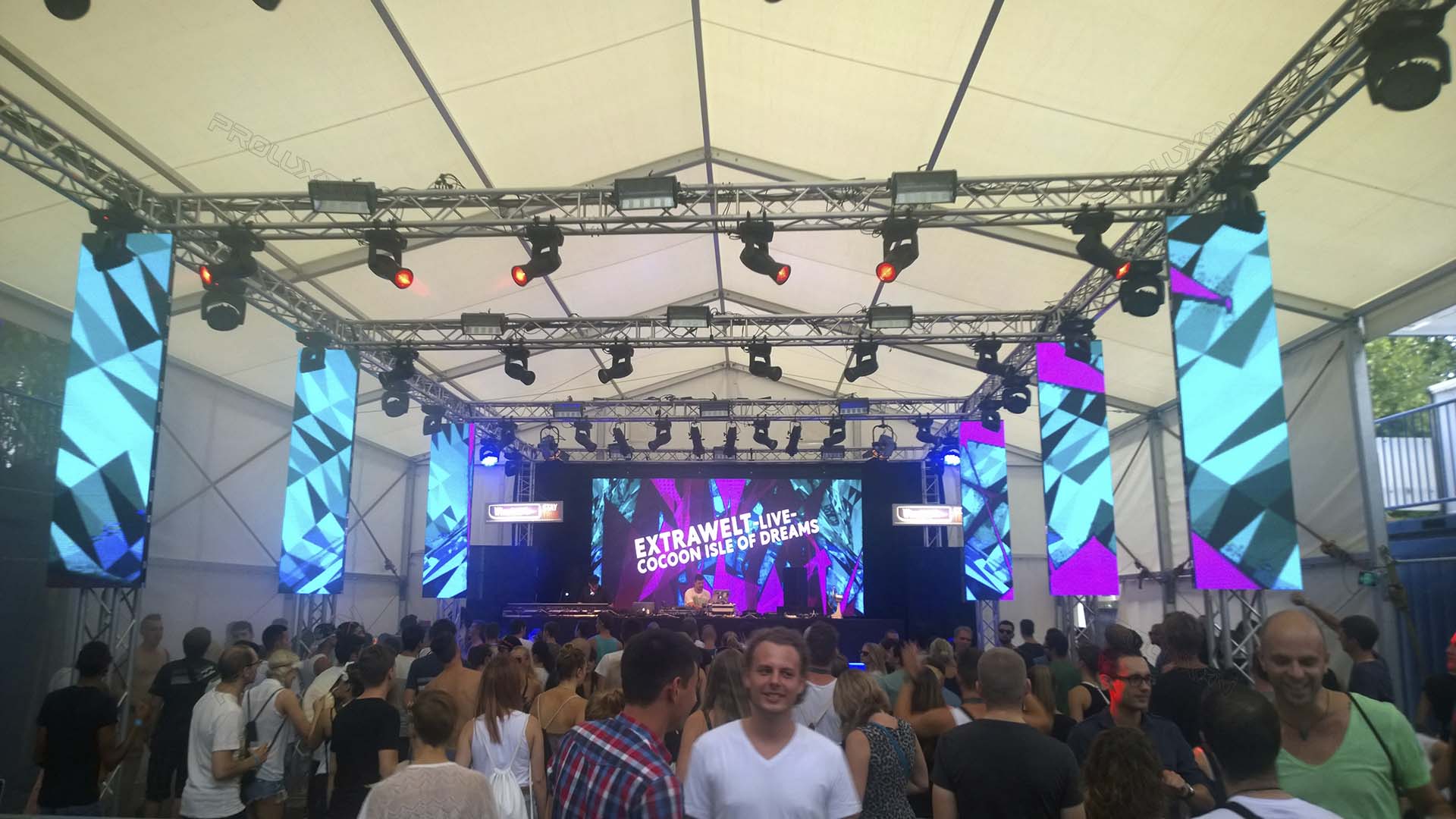
P6 640X640MM Stage Event Outdoor Rental LED Display Screen in Switzerland
The P6.67 Outdoor Rental LED Display Screen with a size of 640X640mm was utilized in Bern, Switzerland in 2016 for st