

Advanced Engineering and Manufacturing Processes in LED Display Technology
The evolution of LED display technology has significantly transformed visual communication, advertising, and entertainment industries worldwide. As a seasoned LED display engineer with extensive experience in display manufacturing, this article delves into the advanced engineering principles, manufacturing techniques, and critical technical parameters that define today's high-performance LED LCD screens. Understanding these elements is vital for industry professionals aiming to deliver reliable, high-resolution displays that meet stringent global standards.
Introduction
LED (Light Emitting Diode) displays have become the benchmark for vivid, energy-efficient, and durable visual solutions. From billboard displays and stadium screens to sophisticated indoor monitors and mobile devices, LED technology offers unparalleled brightness, contrast ratios, and operational longevity compared to conventional LCDs and plasma displays. The intersection of LED and LCD technologies has given rise to LED LCDs, which enhance color accuracy and dynamic range, making them indispensable in modern electronic displays.
Key Technical Parameters and Industry Standards
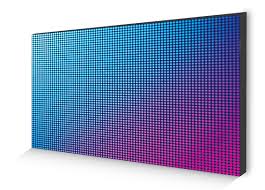
Critical technical specifications shape LED display performance. Parameters such as pixel pitch, brightness (measured in nits or cd/m²), refresh rate, contrast ratio, and viewing angle are foundational.
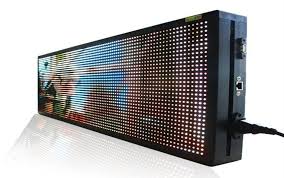
- Pixel Pitch: The distance in millimeters between the centers of two adjacent pixels. Smaller pixel pitches (e.g., 0.9 mm to 4 mm) indicate higher resolution and are preferred for close-viewing applications like control rooms. According to the Society for Information Display (SID), pixel pitches below 1 mm are considered ultra-high resolution for indoor displays.
- Brightness: Outdoor LED displays require brightness levels above 5,000 nits to remain visible under direct sunlight, while indoor applications typically range between 300 to 1,000 nits for comfortable viewing without eye strain.
- Refresh Rate: Modern LED displays operate at refresh rates of 1920 Hz or higher, ensuring flicker-free viewing and compatibility with high-frame-rate video sources.
- Contrast Ratio: LED displays use self-illumination, allowing theoretically infinite contrast ratios, a critical advantage over traditional backlit LCDs.
- Viewing Angle: High-quality displays strive for a wide viewing angle (≥160° horizontal and vertical) to maintain color fidelity and brightness consistency from various perspectives.
Standards such as IEC 62087 (for measurement of power consumption) and ISO 9241-307 (for visual ergonomics) are widely applied in the manufacturing process to control quality and performance.
Manufacturing Processes
Manufacturing LED displays involves a series of meticulous steps that integrate cutting-edge materials science with precision engineering.
- Substrate Preparation: High-grade printed circuit boards (PCBs) made from FR4 or aluminum facilitate heat dissipation and electrical performance. Surface flatness and solder mask application are critical to ensure component alignment.
- LED Chip Mounting and Ball Bonding: Chips, often based on gallium nitride (GaN) semiconductor material, are mounted using automated pick-and-place machines. Flip-chip bonding techniques improve electrical connectivity and thermal performance. The reliability of ball bonding in wire interconnects significantly affects the device's longevity.
- Encapsulation and Phosphor Coating: To achieve the desired color spectrum, blue LED chips are coated with phosphors that convert light into red and green wavelengths. The encapsulation process protects LEDs from moisture and mechanical damage. Industry best practices highlight the use of silicone encapsulants for enhanced thermal stability and longevity.
- Driver IC Integration: Advanced integrated circuits (ICs) control each LED pixel's timing and intensity. Semiconductor packaging techniques ensure minimal signal delay and power loss. Current trends employ ICs with PWM (Pulse-Width Modulation) control to optimize brightness and reduce power consumption.
- Module Assembly and Testing: LED modules are assembled into panels with precise fixture systems to guarantee uniform pixel pitch. Automated optical inspection (AOI) and offline binning processes are implemented to weed out defective LEDs and maintain color uniformity across units.
- Thermal Management: Effective heat dissipation is a cornerstone for reliable LED displays. Thermal interface materials (TIMs), heat sinks, and in some cases, active cooling systems mitigate thermal degradation, significantly extending product life to 100,000+ operating hours, as per industry benchmarks.
Case Studies and Industry Trends
One of the leading examples of high-end LED display manufacturing is Samsung Electronics’ application of “Black Seal” technology, which enhances contrast by reducing light leakage, thereby emulating deeper blacks comparable to OLED panels. Another notable advancement is the shift toward microLED technology, combining the energy efficiency of LEDs with the pixel density of LCDs for ultra-high resolution and dynamic range.
Moreover, environmental considerations have prompted manufacturers to adopt RoHS-compliant materials and employ energy-efficient production lines. The integration of AI-driven quality control systems increases yield rates while reducing manufacturing defects, a practice becoming standard across internationally recognized facilities.
Conclusion
The manufacture of LED LCD screens demands a sophisticated blend of semiconductor technology, material science, and precision engineering. Adhering to global standards and embracing emerging innovations such as microLEDs and AI-enhanced quality assurance are essential to maintaining competitive advantages and meeting the diverse needs of international clients. Building upon robust design parameters—pixel pitch, brightness, refresh rates, and thermal management—ensures the production of LED displays that excel in clarity, durability, and efficiency. As the display industry continues to evolve, manufacturers and engineers must remain informed and agile to deliver solutions that set new benchmarks in visual performance and reliability.
References
- Society for Information Display (SID). “Display Industry Standards and Metrics.” 2023.
- IEC 62087:2019, “Methods of measurement for power consumption of audio, video and related equipment.”
- ISO 9241-307:2008, “Ergonomics of human-system interaction — Part 307: Analysis and compliance test methods for electronic visual displays.”
- Samsung Electronics whitepaper on “Black Seal” Technology, 2023.
- LED Display Manufacturing Forum Proceedings, 2024.













