

Interactive LED Technology: Innovations, Applications, and Technical Insights
Interactive LED technology has emerged as a transformative force in display and user engagement across industries ranging from advertising and entertainment to education and retail. As a professional LED display engineer with extensive experience in LED and LCD screen manufacturing, this article explores the technical foundations, industry standards, latest innovations, and practical applications of interactive LED displays, providing a comprehensive understanding for an international audience.
At its core, interactive LED systems leverage light-emitting diode arrays combined with touch or motion sensors, enabling users to manipulate content directly on the display surface. Unlike traditional passive LED screens, interactive LEDs facilitate real-time user interaction, enhancing engagement and delivering immersive experiences. These systems typically integrate capacitive touch, infrared (IR) sensing, or camera-based gesture recognition technologies.
Technical Parameters and Industry Standards
Critical technical parameters define the performance and quality of interactive LED displays:
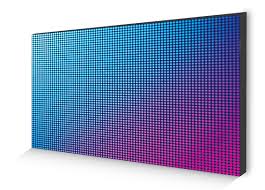
- Pixel Pitch: Common interactive LED panels have pixel pitches ranging from 1.2 mm to 3.9 mm for indoor use, balancing resolution and viewing distance. Smaller pixel pitches, such as 1.5 mm, offer ultra-fine resolution crucial for detailed content and close viewing.
- Refresh Rate: A refresh rate of at least 1920 Hz is recommended to ensure flicker-free images, crucial for video playback and smooth touch response as per IEC 61000-4-3 electromagnetic compatibility standards.
- Brightness: Typical indoor interactive LED modules provide brightness levels between 800 to 1500 nits, optimized for ambient lighting conditions; outdoor solutions can exceed 5000 nits for high visibility under sunlight.
- Touch Accuracy and Latency: Modern interactive LED displays feature sub-5 ms touch response time with positional accuracy within ±1 mm, essential for precise and intuitive interaction.
- Durability and IP Rating: Robustness is vital. Many interactive LED solutions conform to IP65 or higher, ensuring dust and moisture resistance, which extends usability in public or outdoor installations.
Innovative Technologies Driving Interactive LED Displays
Recent innovation in interactive LED panels incorporates mini-LED backlighting with advanced driver ICs for better contrast and color accuracy. Furthermore, integration with AI-powered gesture recognition is becoming increasingly popular, allowing contactless interaction, which is hygienic and naturally intuitive.
Another frontier is transparent interactive LED displays, which afford see-through capabilities while maintaining vivid content display, used in retail storefronts and augmented reality environments.
Applications Across Sectors
- Retail and Advertising: Interactive LED walls and kiosks enable consumers to explore products, customize options, and receive dynamic promotions in real-time, significantly boosting customer engagement and conversion rates.
- Education and Training: Schools and universities implement interactive LED whiteboards with multi-touch capabilities, facilitating collaborative learning and adaptive presentations.
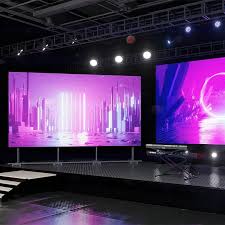
- Entertainment: Interactive LED floors and stage backdrops respond to human presence and motion, enriching live performances and immersive gaming setups.
- Corporate and Public Spaces: Touch-enabled digital signage improves wayfinding, information dissemination, and interactive directories in airports, malls, and offices.
Case Studies and Practical Insights
An example is the deployment of a 4K interactive LED wall with a 1.5 mm pixel pitch in a leading museum. The wall incorporated capacitive touch sensors and AI-based gesture control to enable visitors to navigate digital exhibits seamlessly. The system’s refresh rate of 3840 Hz and brightness at 1200 nits provided vibrant, flicker-free imagery even under challenging lighting.
Additionally, adherence to standards such as ANSI/CTA-2067-2020 for microLED displays and UL certification for safety ensures both technical reliability and user confidence.
Conclusion
Interactive LED technology represents a fusion of advanced optics, electronics, and human-computer interaction, setting new standards in visual communication. Manufacturers and integrators must consider meticulous calibration of pixel pitch, refresh rate, brightness, touch latency, and durability to meet the demanding expectations of diverse applications. As interactive LED innovation accelerates, its role in shaping experiential environments globally is undeniable, marking a new era in digital displays.













