

Advanced Insights into LED LCD Screen Technology: Applications, Advantages, Challenges, and Emerging Trends
LED LCD screens represent a pinnacle of display technology, combining the precision of liquid crystal displays with the efficiency and brightness enhancement of LED backlighting. As a seasoned LED display engineer with extensive experience in manufacturing and deploying LED LCD technology, this article provides an authoritative and practical examination of this critical technology, focusing on its applications, advantages, common challenges, and the latest trends shaping the industry.
Practical Applications of LED LCD Screens
LED LCD screens have found widespread adoption across multiple industries due to their superior display quality and energy efficiency. In consumer electronics, they are prevalent in televisions, desktop monitors, laptops, and mobile devices. According to the International Electrotechnical Commission (IEC 60950-1 standard), LED LCD displays meet rigorous safety and performance criteria, making them ideal for everyday consumer use.
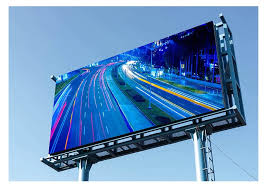
In professional environments, LED LCDs serve critical roles in areas such as digital signage, medical imaging, aviation cockpits, and industrial control rooms. Their high contrast ratios and precise color rendering—often achieving 1000:1 or greater contrast ratio and color gamuts covering up to 99% of the sRGB color space—enable accurate visual representation critical in diagnostic or control settings.
Advantages of LED LCD Technology
The integration of LED backlighting into LCD panels brings several key advantages:
- Energy Efficiency: LED backlights consume up to 40% less power compared to traditional cold cathode fluorescent lamps (CCFL), a point well-documented in the Energy Star program specifications (Version 8.0).
- Slim Form Factor: LED backlighting allows for thinner display architecture, facilitating ultra-slim panel designs that are now standard in commercial TVs and laptops.
- Enhanced Brightness and Color Accuracy: LED backlights offer improved brightness levels—typically ranging from 250 to 1000 nits—and superior color fidelity. Edge-lit and direct-lit LED configurations provide versatility in display uniformity and power consumption.
- Longer Lifespan: LEDs demonstrate longer operational lifetimes (up to 50,000 hours), decreasing maintenance and replacement frequency, which is particularly advantageous for signage and public installations.
Common Challenges and Problem Areas
Despite these strengths, LED LCD screens face several technical challenges:
- Backlight Bleeding and Uniformity Issues: Uneven illumination caused by LED distribution can produce backlight bleeding, noticeable in dark scenes. This is a manufacturing challenge requiring precise LED placement and screen calibration.
- Color Shifts at Wide Viewing Angles: Traditional LCD technology can exhibit color and contrast shifts at oblique angles. To mitigate this, industry innovations such as In-Plane Switching (IPS) panels have become mainstream, offering wider viewing angles up to 178° horizontal and vertical.
- Heat Management: LED arrays generate heat that must be effectively dissipated to maintain performance and longevity. Advanced heat sinks and thermally conductive materials are essential design considerations.
- Response Time Limitations: Although improving, some LED LCD displays still fall short compared to OLEDs in terms of response speed, particularly for high-refresh-rate gaming or professional video editing.
Emerging Trends in LED LCD Technology
The LED LCD industry continues to evolve, leveraging advancements in materials and engineering:
- Mini-LED and Micro-LED Backlighting: These represent cataclysmic improvements in backlight precision. Mini-LEDs, with tens of thousands of tiny diodes, enable localized dimming zones that enhance contrast ratios beyond 100,000:1 while minimizing blooming effects. Micro-LED displays integrate even smaller LEDs directly as pixels, promising the ultimate in brightness and color but remain costly and challenging to mass produce.
- Quantum Dot Enhancement Layers (QDEF): Widely adopted by leading manufacturers, quantum dots improve color gamut and brightness, pushing LED LCD displays closer to the DCI-P3 or Rec. 2020 color standards.
- Higher Refresh Rates and Adaptive Sync Technologies: Increasing refresh rates to 120Hz and beyond, combined with technologies like NVIDIA G-Sync and AMD FreeSync, address motion blur and tearing, catering to gamers and high-performance applications.
- Sustainability and Eco-Friendly Manufacturing: There is a growing emphasis on reducing hazardous substances, utilizing recyclable components, and optimizing manufacturing processes to lower carbon footprints, in line with RoHS (Restriction of Hazardous Substances) directives and emerging EU Green Deal requirements.
Conclusion
LED LCD screens represent a mature and evolving segment of display technology, distinguished by balanced performance, cost-efficiency, and application diversity. By addressing inherent challenges through innovations such as mini-LED backlighting and quantum dot layers, and adapting to user demands with higher refresh rates and eco-conscious manufacturing, LED LCD technology remains at the forefront of visual display solutions. Engineers and manufacturers committed to rigorous standards and continuous improvement will continue to drive this vibrant technology into the next generation of applications.
References:
- IEC 60950-1 - Safety of Information Technology Equipment
- ENERGY STAR Version 8.0 Program Requirements
- Society for Information Display (SID) Technical Papers
- RoHS Directive (EU) 2015/863













