

Advancements and Best Practices in LED Display Manufacturing for Enhanced Performance and Durability
The realm of LED display manufacturing has undergone significant evolution over the past decade, driven by rapid technological advancements and growing market demands for higher resolution, energy efficiency, and durability. As a professional LED display engineer with extensive experience in this sector, this article delves into the critical aspects of LED manufacturing processes, material selection, quality control, and emerging technologies that are shaping the industry globally.
Introduction
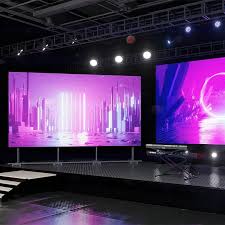
LED (Light Emitting Diode) displays have become an integral component in diverse applications, ranging from outdoor advertising to indoor digital signage, sports arenas, and transportation hubs. The demand for superior visual performance combined with long-term reliability necessitates sophisticated manufacturing techniques grounded in stringent engineering principles and industry standards such as IEC 62368-1 and JEITA guidelines. Understanding these advances from a technical perspective equips manufacturers, systems integrators, and end-users with the insights needed to optimize LED display deployment.
Main Body
1. Materials and Component Quality
High-quality LEDs form the backbone of any reliable display. Key parameters include luminous intensity, color consistency, and thermal stability. Modern manufacturing involves using GaN (Gallium Nitride) based LEDs for high brightness and energy efficiency. For example, SMD (Surface Mount Device) packages such as 1010 and 2020 series improve pixel density and enable fine pitches down to 0.7 mm, crucial for close viewing distances in indoor environments.
The substrate, typically FR-4 or high-frequency materials like Rogers, must exhibit excellent thermal conductivity to dissipate heat generated by LEDs, preventing premature degradation. Additionally, phosphor coatings are optimized to maintain color gamut closer to the Rec. 709 or DCI-P3 standards for vivid displays.
2. Manufacturing Process and Assembly
Precision in PCB (Printed Circuit Board) fabrication, component placement, and soldering significantly influences the final display quality. Surface mount technology combined with automated optical inspection (AOI) ensures accurate placement and detection of defects early in the assembly line.
Environmental controls during manufacturing, such as cleanroom standards (ISO 14644), help minimize particulate contamination that could affect LED performance. Conformal coatings or UV-resistant encapsulants are applied to protect LEDs from moisture and mechanical stress, in line with IP65 and higher ingress protection ratings, especially for outdoor displays.
3. Thermal Management
Effective thermal management is critical due to the sensitivity of LEDs to heat. Manufacturers employ heat sinks, thermal interface materials (TIMs), and passive or active cooling mechanisms to maintain operational temperatures typically below 85°C junction temperature. This strategy extends the LED lifespan, often designed to exceed 100,000 hours of operation at optimal conditions.
4. Calibration and Quality Assurance
Post-assembly calibration involves adjusting brightness and color parameters through integrated driving ICs and software algorithms to ensure uniformity across the display matrix. Color calibration systems use spectroradiometers to align pixels precisely, adhering to industry benchmarks such as the SMPTE colorimetry standards.
Reliability testing including thermal cycling, vibration, and waterproofing tests simulate real-world environments to certify compliance with standards like IEC 61000-4 and MIL-STD-810G. This rigorous validation process enhances durability and customer confidence.
5. Emerging Trends and Technologies
Innovations such as MicroLED and MiniLED technologies promise higher pixel density and contrast ratios with improved energy efficiency. Moreover, flexible and transparent LED panels are expanding applications into curvilinear architecture and augmented reality displays.
The integration of AI-driven diagnostics and IoT connectivity enables predictive maintenance, reducing downtime and operational costs. These solutions align with sustainability goals by optimizing power consumption and minimizing hazardous waste through modular designs facilitating component replacement.
Conclusion
The manufacturing of LED displays today is a sophisticated blend of advanced materials science, precision engineering, and rigorous quality control, ensuring high-performance and durable products capable of operating in diverse environments. Embracing the latest technological trends and adhering to international standards empower manufacturers to meet increasing market expectations while reducing costs and environmental impact. As the demand for more immersive and reliable LED display solutions grows, continued innovation and refined production methodologies will remain foundational to the industry’s success.













