

Advanced Technologies and Manufacturing Processes in LED Display Screen Production
In the rapidly evolving world of display technologies, LED display screens have taken a definitive lead due to their superior brightness, contrast, and energy efficiency. As a professional LED display engineer with years of hands-on industry experience, this article delves into the intricate manufacturing processes, technological parameters, and industry standards pivotal to producing high-quality LED displays. The intention is to provide credible insights valuable to both manufacturers and end-users by contextualizing practical knowledge, technical data, and authoritative references.
Introduction
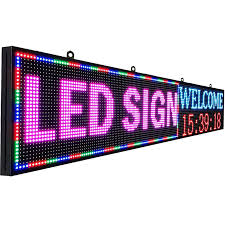
LED (Light Emitting Diode) display screens have revolutionized digital visualization across multiple domains including advertising, public information systems, and entertainment. Their advantages over conventional LCD (Liquid Crystal Display) technology hinge on self-emissive properties, enabling vibrant colors and superior outdoor readability. The global LED display market, valued at approximately USD 15 billion in 2023, is projected to grow steadily, driven by innovation in display resolutions, pixel pitches, and energy-saving solutions (Source: OIDA - Optical Society Industry Reports 2023).
Main Body
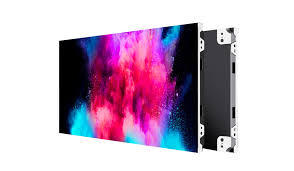
1. Core Components and Technical Parameters
The construction of an LED display involves several critical components:
- LED Modules: The fundamental building blocks composed of arrays of LEDs. These can be categorized into SMD (Surface Mount Device) and COB (Chip on Board) types. SMD LEDs offer wide viewing angles (up to 160°), while COB enhances pixel density and uniformity.
- Pixel Pitch: Defined as the distance between the centers of two adjacent pixels, pixel pitch determines the display's resolution and viewing distance suitability. For instance, a 1.2 mm pitch suits close-up indoor displays, whereas outdoor billboards commonly use 10 mm or larger for visibility at distance.
- Brightness and Contrast: Typical indoor LED displays deliver brightness levels around 800 to 1500 nits, whereas outdoor displays can exceed 6000 nits to withstand direct sunlight. Contrast ratios hover around 3000:1 or higher due to LED's intrinsic emissive nature.
- Refresh Rate and Gray Scale: To avoid flickering in video playback and camera recording, displays need refresh rates above 1920 Hz. Gray scale capabilities influence color depth, with 14-bit grayscale becoming a common standard to render smooth color transitions.
2. Manufacturing Processes and Quality Assurance
Producing an LED display encompasses multiple precision processes demanding rigorous quality control:
- LED Sorting and Binning: Sorting LEDs by wavelength, brightness, and forward voltage is critical to ensure consistent color uniformity. High-end displays employ binning tolerance within ±2nm wavelength variation.
- PCB Assembly: Automated pick-and-place machines solder LEDs onto PCBs (Printed Circuit Boards) with adherence to IPC-A-610E Class 2 or Class 3 standards for electronic assemblies.
- Encapsulation and Protection: Modern LED modules use epoxy or silicone encapsulation for moisture resistance and mechanical protection, rated at least IP65 for outdoor applications based on IEC 60529.
- Calibration and Testing: Post-assembly calibration leverages specialized measurement instruments such as colorimeters and luminance meters following protocols like ANSI/IES LM-79 for photometric testing. Long-term reliability testing includes thermal cycling and vibration resistance, ensuring performance stability under varied environments.
3. Industry Standards and Technological Innovations
Adhering to standards ensures interoperability and quality assurance:
- Safety and EMC: Compliance with UL 8750 for LED safety and CISPR 32 for electromagnetic compatibility prevent hazards and interference issues.
- Energy Efficiency: Energy star and international efficiency standards push manufacturers to optimize power supply design and LED drive circuits, minimizing heat dissipation and electricity consumption.
- Emerging Technologies: Micro-LED technology promises unparalleled pixel-level control, higher contrast, and extended lifespan, reflecting industry trends focused on miniaturization and flexibility. Additionally, integration of AI-based calibration systems and IoT-enabled remote diagnostics enhances maintenance efficiency.
Conclusion
The manufacturing of LED display screens is a meticulous blend of precision engineering, stringent quality control, and technological innovation. Manufacturers must prioritize pixel pitch selection, LED binning accuracy, IP-rated protection, and compliance with established international standards to deliver products that meet diverse application requirements. With the continuous advancements such as micro-LED and smart diagnostics, the future of LED displays is poised for even greater performance, versatility, and energy efficiency. Industry stakeholders who leverage these insights will be better positioned to succeed in a competitive global market.













