

Transparent Display Technology for Cars: Revolutionizing Automotive Interfaces
The automotive industry is undergoing a remarkable transformation driven by advancements in display technology, with transparent displays emerging as a revolutionary component in modern vehicles. Transparent display technology for cars integrates seamlessly into automotive design, enhancing both driver experience and vehicle aesthetics without compromising safety. This article delves into the technical principles, industry applications, and future trends of transparent displays in cars, grounded in current engineering practices and standards.
Understanding Transparent Display Technology in Automotive Applications
Transparent displays, also known as see-through displays, typically utilize LED, OLED (Organic Light Emitting Diode), or LCD (Liquid Crystal Display) technologies engineered to maintain visibility through the display panel. The core technology involves embedding light-emitting components on a transparent substrate such as glass or acrylic, allowing for graphical overlays directly onto the driver’s field of view or vehicle windows.
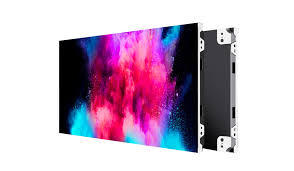
Key technical parameters include:
- Transparency Rate: Automotive transparent displays usually offer 30% to 70% transparency to balance display clarity with natural visibility. According to the Society of Automotive Engineers (SAE J3063), transparency is critical to maintaining driver attention and environmental awareness.
- Brightness and Contrast Ratio: Due to varied lighting conditions inside and outside vehicles, brightness levels must range from 500 to 1500 cd/m², with contrast ratios exceeding 1000:1 to ensure clear visibility during daylight and night-time driving.
- Response Time: Fast response times (≤10 ms) ensure dynamic information such as navigation prompts or warning signals update instantly without lag.
- Durability: Automotive grade transparent displays require resistance to temperature fluctuations (-40°C to 85°C), UV exposure, and mechanical vibrations, aligning with ISO 16750 standards for electronic equipment in road vehicles.
Practical Automotive Applications of Transparent Displays
1. Head-Up Displays (HUDs): Transparent displays integrated into windshields project critical driving information—speed, navigation, and driver-assist alerts—directly in the driver’s line of sight. Modern HUD systems, as detailed by the International Display Technology Roadmap, employ waveguide-based OLED transparent panels achieving ultra-thin designs (~2 mm thickness) to minimize windshield distortion.
2. Smart Windows & Sunroofs: Transparent displays embedded in side windows or sunroofs provide interactive capabilities such as displaying external object identification, pedestrian alerts, or entertainment content. For instance, automotive manufacturers utilizing micro-LED transparent displays have enhanced passenger engagement without obstructing the view.
3. Instrument Cluster Integration: Replacing traditional opaque instrument panels, transparent LCD clusters offer customizable dashboards that harmonize with ambient lighting and vehicle theme, providing a futuristic cockpit experience.
Technical Challenges and Manufacturing Advances
Manufacturing high-performance transparent displays for automotive use confronts challenges including achieving uniform luminance without hotspots, ensuring seamless integration with curved surfaces, and mitigating reflection/glare. Current industry solutions incorporate:
- Micro-LED Technology: Micro-LEDs offer higher brightness and energy efficiency compared to OLEDs, with superior lifespan and thermal stability—crucial for automotive environments. The precise photolithographic placement of micro-LED arrays on transparent substrates ensures high pixel density (1000 PPI and above) for sharp image rendering.
- Advanced Transparent Conductive Films: Indium Tin Oxide (ITO) has traditionally been the transparent conductor, but alternatives like silver nanowires and graphene are increasingly used to improve flexibility and reduce resistance, enhancing display responsiveness and durability.
- Optical Coatings and Anti-Reflection Treatments: Special coatings reduce glare and reflection, improving readability under direct sunlight or headlights exposure.
Future Trends and Industry Impact
Looking forward, transparent display technology in cars will evolve towards full windshield integration capable of Augmented Reality (AR) features. This advancement aligns with the FAST (Fully Automated System Technology) vision, enhancing autonomous vehicle information displays, enhancing situational awareness with overlays of traffic data, environmental hazards, and driver health metrics.
The confluence of AI-driven interfaces with transparent displays will enable personalized driving experiences, adjusting displayed content based on driver preferences and safety conditions dynamically. Furthermore, smart glass technology combined with transparent displays can transition between opaque and clear states, offering privacy or sun-shielding on demand.
Conclusion
Transparent display technology is set to redefine the automotive user interface by merging digital information delivery with unobstructed visibility, thereby enhancing safety, convenience, and aesthetic appeal. Current engineering advancements ensure these displays meet rigorous automotive standards in brightness, transparency, durability, and responsiveness. With continued innovation, transparent displays promise to play a pivotal role in the evolution of smart, connected vehicles globally.
Authoritative References:
- Society of Automotive Engineers (SAE) J3063: Human Factors Considerations in Automotive HUD Design
- ISO 16750: Environmental Conditions and Testing for Electrical and Electronic Equipment in Road Vehicles
- International Display Technology Roadmap (IDTR), 2023
- Chen, L. et al., "Advancements in Micro-LED Transparent Displays for Automotive Applications," Journal of Display Technology, 2024













