

Advancements and Engineering Insights in LED LCD Screen Manufacturing
In the rapidly evolving landscape of display technology, LED LCD screens have emerged as a dominant force, blending the efficiencies of LED backlighting with the versatile properties of LCD panels. As a seasoned engineer with extensive experience in LED display manufacturing, this article delves into the key technical parameters, industry standards, and practical considerations that define modern LED LCD production, providing insights aimed at professionals and enthusiasts alike.
Fundamentals of LED LCD Screen Technology
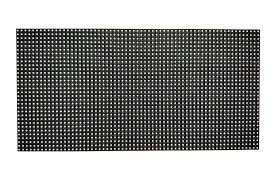
The core innovation behind LED LCD screens lies in their hybrid design: the liquid crystal display (LCD) provides high-resolution image detail while the light-emitting diode (LED) backlight source offers enhanced brightness, color gamut, and energy efficiency compared to traditional cold cathode fluorescent lamp (CCFL) backlighting. This synergy improves image quality, reduces power consumption, and enables thinner, lighter panel designs.
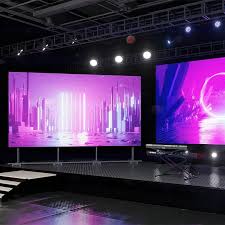
Key parameters include:
- Backlight Type: Edge-lit and direct-lit LED configurations dominate. Edge-lit uses LEDs positioned around the display edges with light guides, favoring thinness and energy efficiency. Direct-lit places LEDs uniformly behind the LCD panel, enabling local dimming and superior contrast ratios.
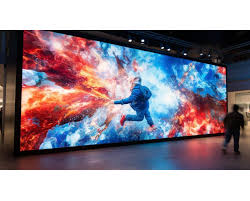
- Resolution and Pixel Density: Typically ranging from Full HD (1920x1080) to 8K (7680x4320), pixel density (ppi) affects sharpness, crucial for applications like advanced monitors, TVs, and digital signage.
- Color Accuracy and Gamut: Standards such as BT.709, DCI-P3, and Rec. 2020 dictate color gamut coverage. High-end LED LCD displays target 95%+ coverage of DCI-P3, facilitating vivid and true-to-life colors essential for media production and professional content.
- Brightness and Contrast Ratio: Modern LED LCDs achieve brightness levels from 300 to over 1000 nits. High dynamic contrast ratios (often supported by local dimming zones in direct-lit displays) can reach up to 1,000,000:1, providing deep blacks and brilliant highlights.
Manufacturing Challenges and Solutions
Key manufacturing challenges arise from component integration, thermal management, and quality control:
- Uniform Backlighting: Achieving consistent luminance across the display panel is critical. LED binning (sorting LEDs by light output and color temperature) and optical films like diffusion plates and brightness enhancement films (BEF) ensure uniform illumination.
- Thermal Management: LEDs generate heat, impacting longevity and performance. Incorporating aluminum substrates, heat sinks, and active cooling methods enhances reliability. Advanced manufacturing designs integrate metal-core PCBs (MCPCBs) to dissipate heat effectively.
- Pixel and Module Assembly: Precision placement of thousands of LEDs and liquid crystal cells demands high-resolution pick-and-place machines and cleanroom environments to minimize defects.
Industry Standards and Testing
Adhering to international standards guarantees product safety and performance:
- IEC 62368-1: Audio/video and information technology equipment safety standard ensures electrical and fire safety.
- ISO 9241-307: Defines measurement methods for display characteristics, including luminance, contrast, color rendering, and flicker.
- Energy Star and EPEAT Certifications: Important for assessing energy efficiency and environmental impact, particularly in consumer electronics.
Testing protocols involve:
- Color Calibration: Using spectroradiometers and colorimeters to calibrate displays for target color spaces.
- Reliability Testing: Stress tests including thermal cycling, humidity exposure, and mechanical shock to ensure long-term durability.
- Electromagnetic Compatibility (EMC): Ensuring devices do not emit or are susceptible to disruptive interference.
Technology Trends and Future Outlook
Emerging trends indicate continuous innovation:
- Mini-LED and Micro-LED Integration: Mini-LED arrays, featuring thousands of tiny LEDs, enable ultra-fine local dimming with improved contrast ratios and reduced blooming. Micro-LED displays promise self-emissive properties combining LED brightness with LCD image control.
- Quantum Dot Enhancement Films (QDEF): Incorporating quantum dots into backlight layers yields higher color purity and efficiency, advancing LED LCD displays closer to OLED color performance.
- Flexible and Transparent Displays: Developments in flexible substrates and transparent LCD panels open new applications in automotive, wearable devices, and augmented reality.
Conclusion
Manufacturing LED LCD screens requires meticulous engineering, precise component alignment, and strict adherence to global standards to meet the demands for high performance, durability, and energy efficiency. Advances in LED backlighting, material science, and process automation continue to propel the technology forward, fulfilling diverse market needs from consumer products to professional and industrial displays. As the industry progresses, a steadfast commitment to innovation, quality control, and sustainability will remain paramount.
For manufacturers and engineers, understanding these technical nuances is critical to developing world-class LED LCD displays that deliver superior visual experiences while optimizing cost and reliability.
References:
- International Electrotechnical Commission (IEC) standards, www.iec.ch
- Society for Information Display (SID) technical papers
- Energy Star Program Requirements for Displays, www.energystar.gov
- “Advances in LED Backlight Technology,” Journal of Display Technology, IEEE, 2023













