

Advanced LED LCD Display Manufacturing: Technical Insights and Industry Best Practices
The manufacturing of LED LCD displays has evolved significantly over the past decade, driven by advances in technology, consumer demand for higher performance, and the imperative for energy efficiency. As a professional LED display engineer with extensive expertise in this field, this article presents a detailed exploration of the critical technical parameters, manufacturing processes, and industry standards that define high-quality LED LCD screen production.
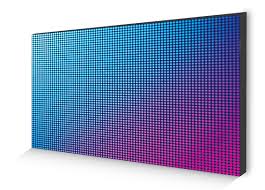
LED LCD displays combine liquid crystal display technology with LED backlighting, enabling superior brightness, contrast, and color reproduction compared to conventional CCFL-backlit LCDs. Crucially, the performance of an LED LCD panel hinges on the precise integration of several components, including the LED backlight module, the liquid crystal layer, and the driver electronics.
Key Technical Parameters
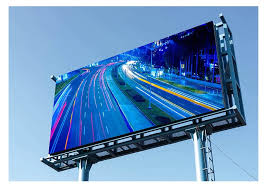
1. Brightness: Modern LED LCD displays typically achieve luminance levels ranging from 350 cd/m² to over 1000 cd/m², depending on application requirements. For example, outdoor signage demands brightness levels exceeding 800 cd/m² to ensure visibility under direct sunlight (Source: IEC 61966-2-1).
2. Contrast Ratio: The contrast ratio is a pivotal metric, with high-end LED LCDs reaching dynamic contrast ratios of 1,000,000:1 through the use of local dimming and advanced image processing technologies. This tightly relates to the liquid crystal panel technology — IPS (In-Plane Switching) panels offer superior viewing angles and color stability compared to TN (Twisted Nematic) panels.
3. Color Gamut and Accuracy: Professional displays often cover 90–100% of the DCI-P3 color space or more, thanks to calibrated LED backlights and color filters. According to industry standards (e.g., ISO 12647 for color accuracy), precise calibration of both the LED luminance and the liquid crystal transmittance is mandatory.
4. Response Time and Refresh Rate: Modern LED LCDs offer response times as low as 1 ms for gaming and real-time display applications, minimizing motion blur and ghosting. Additionally, refresh rates typically vary from 60 Hz on standard displays to 144 Hz or 240 Hz on high-performance monitors.
Manufacturing Process Challenges and Solutions
Manufacturing LED LCDs involves stringent quality control in several stages:
- LED Backlight Module Fabrication: Using high-brightness, long-lifetime LEDs with binning to ensure color uniformity and reliability.
- Liquid Crystal Cell Alignment: Precise application and uniformity of alignment layers to maintain image stability across viewing angles.
- Polarizer Application: Applying polarizers with minimal stress-induced birefringence to maintain image clarity.
- Assembly and Sealing: Tight control of cell gap (typically 3 to 6 micrometers) is essential to maintain contrast and color uniformity.
- Testing & Calibration: Automated optical inspection systems detect defects such as dead pixels, color inconsistency, and backlight bleed. Post-assembly calibration adjusts voltage levels, gamma, and color balance.
Industry Standards and Certifications
Adherence to international standards is non-negotiable for credible LED LCD manufacturing:
- IEC 62368-1: Safety requirements for audio/video equipment.
- RoHS (Restriction of Hazardous Substances): Environmentally compliant materials ensure the display is free from hazardous elements like lead and mercury.
- Energy Star Certification: Verified energy efficiency.
- EMC Compliance: To prevent electromagnetic interference.
Case Study: Enhancing Outdoor LED LCD Displays
Outdoor LED LCD monitors require increased durability and brightness due to environmental exposure. Manufacturers implement ruggedized modules with reinforced glass, high IP ratings (IP65 or above), and enhanced thermal management using graphene-based heat dissipation layers. These approaches significantly improve lifespan and operational stability up to 60,000 hours of continuous usage.
Emerging Trends
Looking forward, mini-LED and micro-LED backlighting technologies are set to revolutionize LED LCD manufacturing, offering higher peak brightness, improved contrast ratios, and more uniform backlighting with better energy efficiency. These innovations address traditional LCD limitations such as backlight haloing and limited contrast.
In conclusion, producing high-quality LED LCD displays demands a fusion of rigorous technical design, precise manufacturing techniques, and adherence to global standards. Achieving optimal performance requires a deep understanding of each component’s role and their integrated behavior under operational stresses. With continuous innovations and meticulous quality assurance, LED LCD technology remains a cornerstone of modern display solutions across diverse applications worldwide.













