

Staging Digital Display: Revolutionizing Visual Communication
In the rapidly advancing era of technology, digital displays have become the backbone of modern communication, especially in staging environments like events, concerts, exhibitions, and retail spaces. LED digital displays, in particular, have revolutionized the way information is presented, creating immersive experiences and enhancing audience engagement. This article will delve into the journey of staging digital displays, uncovering technical parameters, industry applications, and best practices.
#What Is a Staging Digital Display?
A staging digital display is a dynamic visual tool designed to transform spaces into visually engaging environments. These digital screens leverage technologies such as LED (Light Emitting Diode) and LCD (Liquid Crystal Display) to broadcast content ranging from promotional material to live videos, ensuring seamless communication. Typically used in events, trade shows, and performances, staging displays are tailored for high brightness, customizable resolutions, and durable designs to support production demands.
#Technical Parameters: Key Features to Consider
For staging digital displays to deliver optimal performance, understanding their technical parameters is crucial. Here are the most critical specifications to keep in mind:
1. Pixel Pitch:
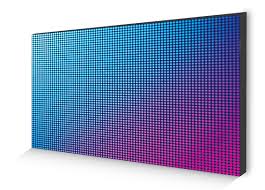
Pixel pitch, measured in millimeters, refers to the distance between adjacent pixels on an LED screen. A smaller pixel pitch ensures higher resolution and sharper image quality, making it ideal for close-range viewing. Popular pixel pitch options range from P1.25 to P10, depending on the size and viewing distance.
2. Brightness Levels:
Brightness is measured in nits and determines the screen's visibility, particularly in outdoor environments with high ambient light. For staging events, displays often require brightness levels exceeding 3,000 nits for vibrant visuals.
3. Refresh Rate:
Refresh rate is the frequency at which the display updates images, measured in Hertz (Hz). Higher refresh rates (typically above 3000Hz) ensure smooth video playback without flickering, which is critical for cameras and live streaming.
4. Color Accuracy & Gamut:
High color accuracy ensures true-to-life visuals, while a wide color gamut enhances image vibrancy. Displays with 16-bit color processing and HDR (High Dynamic Range) compatibility are preferred by professionals.
5. Screen Size & Scalability:
Staging digital displays often need to scale to meet different venue requirements. Modular LED panels allow flexible assembly to create screens of various shapes and sizes, including curved designs.
6. Durability & Weather Resistance:
Outdoor events demand screens that can withstand environmental factors like rain, dust, and heat. IP-rated panels (e.g., IP65) guarantee protection against moisture and particles, ensuring reliable operation.
#Industry Applications of Staging Digital Displays
From entertainment to corporate sectors, staging digital displays are widely implemented across industries:
- Live Performances:
Concerts and theater performances use LED screens for dynamic backdrops, live video streaming, and synchronized lighting designs. These displays amplify visual effects, creating captivating experiences for audiences.
- Trade Shows & Exhibitions:
Exhibitors leverage digital displays to showcase products and interact with visitors. The combination of touch screens and video walls enhances engagement and brand visibility.
- Retail Spaces:
In retail, digital signage conveys promotional messages, product details, and offers in high-traffic areas like storefronts, malls, and airports.
- Corporate Events:
Presentations, seminars, and product launches utilize staging digital displays to deliver impactful visuals that align with the organization's branding goals.
#Best Practices for Implementing Staging Digital Displays
1. Venue Assessment:
Evaluate the space to determine screen placement, viewing angles, and optimal pixel pitch. For large venues, consider higher pixel pitch screens to reduce costs.
2. Content Optimization:
Create high-resolution media tailored to the screen dimensions. Use bright and contrasting colors to grab attention while maintaining readability.
3. Reliable Power Supply:
Ensure a consistent power source to prevent outages during events. Using backup generators and voltage regulators is recommended for uninterrupted operation.
4. Maintenance Plans:
Regularly inspect LED panels, connectors, and power cables to ensure longevity. Promptly replace faulty units to maintain a professional image.
5. Partner with Trusted Manufacturers:
Collaborating with experienced display manufacturers ensures access to advanced technologies, higher reliability, and professional support.
#Emerging Trends in Staging Digital Displays
The future of staging digital displays lies in innovation:
- Micro-LED Technology: Micro-LED promises better energy efficiency, higher brightness, and longer lifespans.
- Augmented Reality (AR) Integration: Combining digital displays with AR overlays creates interactive environments.
- AI-Enabled Displays: AI algorithms analyze audience preferences and optimize content in real time for enhanced engagement.
#Conclusion
Staging digital displays have undoubtedly transformed traditional visual communication. By adopting cutting-edge technology, understanding technical parameters, and focusing on best practices, businesses and event organizers can deliver extraordinary visual experiences. The possibilities are limitless, and as technology continues to evolve, the impact of digital displays will only grow more profound.













