

#Applications in Professional ...
#Applications in Professional Settings
Conference LED screens are widely used in boardrooms, training centers, event halls, and even hybrid meeting spaces due to their adaptability. Below are some common use cases:
- Corporate Presentations: Present data, charts, and visuals with stunning clarity to ensure precise communication.
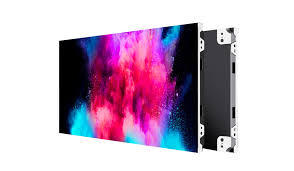
- Video Conferencing: Seamlessly connect remote teams or clients with a platform that supports HD video feed and ensures consistent image quality.
- Training and Workshops: Engage participants with interactive elements that cater to modern learning methodologies.
- Live Events: Scale up to massive LED walls for product launches, annual meetings, or shareholder gatherings.
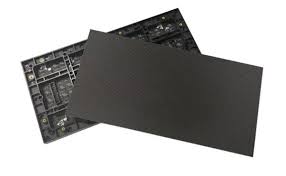
#Installation Best Practices for Conference LED Screens
1. Site Assessment
Evaluate the room dimensions, seating arrangements, ambient light levels, and audience size to determine the optimal screen size and resolution.
2. Proper Placement
Position the screen at a height and angle where it is visible to all attendees without obstructing views. Consider wall-mounting or installing screens on sturdy stands for larger setups.
3. Professional Calibration
Regular calibration using colorimeters ensures consistent color accuracy and display performance.
4. Maintenance and Cleaning
LED screens require periodic maintenance to avoid dust accumulation or interruptions caused by loose cable connections. Manufacturers often provide detailed guidelines or professional support for upkeep.
#Emerging Trends in LED Screen Technology
The future of conference LED screens lies in advancements such as AI-powered control systems, interactive touch capabilities, and transparent displays. Additionally, innovations in microLED technology promise to deliver even higher brightness and contrast, while reducing costs and energy consumption.
#Choosing the Right Conference LED Screen
When selecting a conference LED screen, consider the following parameters:
- Resolution: Match the resolution to the room size and intended use.
- Brightness: Ensure the brightness level adapts to the room’s lighting conditions.
- Durability: Look for screens with robust construction and warranties.
- Ease of Operation: Ensure compatibility with your existing AV setup, and confirm user-friendly controls.
Investing in the right conference LED screen is more than just upgrading a room’s technology—it’s about fostering collaboration, enhancing communication, and creating lasting impressions during critical meetings.













