

High Brightness TFT Display: A Comprehensive Guide to Technology, Applications, and Manufacturing
High brightness TFT (Thin-Film Transistor) displays are pivotal in environments requiring enhanced visibility under direct sunlight or high ambient light conditions. These displays leverage advanced engineering and manufacturing techniques to ensure optimal performance in industries such as transportation, retail, medical, and outdoor digital signage. This article delves into the intricacies of high brightness TFT displays, including their core technologies, applications, technical specifications, and production nuances.
#What Defines a High Brightness TFT Display?
A high brightness TFT display typically features luminance levels that exceed 1,000 nits (cd/m²), making it far brighter than standard consumer-grade screens, which average between 200 and 500 nits. These displays are engineered with higher backlight intensities, enhanced light diffusion layers, and advanced anti-reflective coatings to maintain clarity and visibility in bright environments.
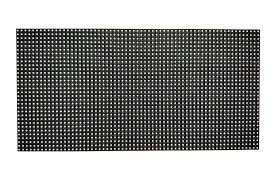
The key defining characteristics include:
- Brightness: High brightness displays range from 1,000 to 5,000 nits, depending on the application.
- Contrast Ratio: Enhanced contrast ratios (e.g., 1000:1 or higher) ensure sharp image quality and readability.
- Wide Viewing Angles: IPS (In-Plane Switching) technology is often incorporated for consistent colors across wide viewing angles.
- Sunlight Readability: Specially designed polarizers, anti-glare coatings, and optical bonding techniques reduce reflections and ensure legibility in outdoor settings.
#Core Technologies Behind High Brightness Displays
1. Enhanced Backlighting:
These displays use high-performance LED backlighting systems, often with increased thermal dissipation mechanisms to prevent overheating. High-efficiency LEDs ensure optimal brightness while minimizing power consumption.
2. Optical Bonding:
To increase sunlight readability, the air gap between the TFT panel and the protective glass is removed using an optical bonding adhesive. This reduces internal reflections and improves durability against environmental conditions like humidity and dust.
3. Anti-Reflective/Anti-Glare Coatings:
High brightness screens feature layers designed to scatter incoming light and reduce glare. This is critical for usability in outdoor and semi-outdoor applications.
4. Power Management and Heat Dissipation:
Higher brightness means higher power consumption and heat generation. Effective thermal management solutions—like heat sinks, thermal gel, and smart power regulation—are imperative to ensure long-term reliability.
5. Wide Temperature Range Compatibility:
Many high brightness TFT displays are designed for extreme temperatures, ranging from -30°C to +85°C, making them suitable for industrial, automotive, and outdoor use.
#Applications of High Brightness TFT Displays
1. Outdoor Digital Signage:
Retailers and advertisers rely on high brightness displays for visibility in direct sunlight. These screens are typically used in transportation hubs, public squares, and roadside advertising.
2. Automotive and Transportation:
Automotive dashboards, infotainment systems, and aviation cockpit displays require high brightness for clear visibility under varying light conditions.
3. Medical Equipment:
Medical environments demand precise visuals under bright operating room lighting. High brightness TFT screens are used in diagnostic equipment, operating monitors, and patient data displays.
4. Industrial Applications:
In manufacturing, logistics, and control environments, high brightness displays ensure operational efficiency in harsh lighting conditions. Their robustness and reliability make them invaluable for outdoor kiosks and rugged industrial PCs.
5. Marine and Military:
Navigation systems on ships and military-grade equipment require displays with high brightness and durability to withstand challenging environmental conditions, such as sunlight and saltwater exposure.
#Technical Specifications to Consider
When selecting a high brightness TFT display, the following parameters are essential:
- Resolution: Common resolutions range from 800x480 (WVGA) to 4K Ultra HD, depending on the application.
- Brightness: 1,000–5,000 nits, tailored to the environment (indoor vs. outdoor).
- Contrast Ratio: High contrast ratios (e.g., 1000:1 or even 2000:1) for clear image quality.
- Refresh Rate: A minimum of 60Hz is standard, but higher refresh rates (120Hz or more) may be required for smoother visuals in dynamic applications.
- Interface Compatibility: Support for HDMI, LVDS, eDP (Embedded DisplayPort), or MIPI interfaces ensures seamless integration with various systems.
- Durability Features: IP65 or IP67 ratings for water and dust resistance, combined with anti-shock and anti-vibration certifications.
- Lifespan of Backlight: The longevity of the LED backlight is crucial, often rated for 50,000–70,000 hours of operation.
#Manufacturing Challenges and Quality Standards
The production of high brightness displays entails overcoming challenges like increased heat generation and managing power efficiency. Engineers must balance brightness with reliability, cost, and energy consumption.
1. Thermal Management:
Manufacturers must utilize advanced thermal dissipation techniques, such as aluminum heat sinks or liquid cooling systems, to manage the extra heat produced by high-brightness backlights.
2. Color Uniformity:
Achieving consistent brightness across the entire screen is a challenge due to the higher intensity of the backlights. Calibration processes and quality control measures are essential.
3. Compliance with Standards:
High brightness TFT displays are often designed to meet industry standards such as RoHS (Restriction of Hazardous Substances), CE, FCC, and IP ratings for environmental resistance.
#Choosing the Right Manufacturer
To ensure optimal performance and reliability, it is crucial to work with a reputable manufacturer experienced in high brightness TFT displays. Companies specializing in this technology often provide customization options, including specific sizes, resolutions, and brightness levels tailored to your application needs.
Consider manufacturers with a proven track record in:
- Customization Services: The ability to design displays for unique industry requirements.
- Quality Accreditation: ISO 9001, ISO 14001 certifications, and compliance with environmental and safety regulations.
- Support and Warranty: Comprehensive post-sales support and warranties to maximize ROI.
#Future Trends in High Brightness TFT Displays
The evolution of high brightness TFT displays will likely focus on energy efficiency, integration with smart systems (IoT), and enhanced interactivity through touch technology. Emerging advancements in micro-LED backlighting and materials like quantum dots promise even greater brightness and color accuracy.
In addition, sustainability initiatives will drive innovations in reducing the environmental impact of manufacturing and disposal processes.
#Conclusion
High brightness TFT displays are indispensable in industries where visibility under challenging lighting conditions is critical. By understanding the technologies, applications, and technical parameters described above, businesses can make informed decisions when selecting and deploying these advanced display solutions.
For precise deployment, partnering with a reliable manufacturer experienced in custom solutions is essential to ensure optimal performance, durability, and cost-effectiveness.













