

#1. The Anatomy of an LED LCD ...
#1. The Anatomy of an LED LCD Screen
Before delving into manufacturing, it is important to understand the basic structure of an LED LCD screen. These displays consist of the following core components:
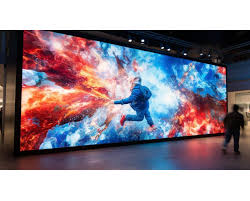
- LCD Panel: Acts as the primary display medium, where the liquid crystals manipulate light to form images.
- Backlight Unit (BLU): Powered by LEDs, this component provides the light source necessary for the LCD to display images.
- Polarizers: Positioned before and after the LCD panel, polarizers control light orientation to ensure proper image formation.
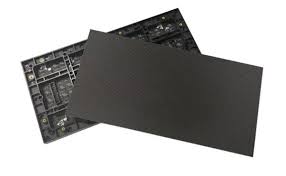
- Driver ICs: Integrated circuits manage the flow of data and control signals to the display.
- Glass Substrates: High-quality glass layers protect the internal structure and ensure durability.
#2. Key Technologies in LED LCD Screen Manufacturing
The success of LED LCD screen production depends on a series of precise technologies that ensure their efficiency, brightness, and longevity. Here are the most critical techniques:
##a) LED Backlighting Technology
Modern LED LCD screens use edge-lit or direct-lit LED backlighting systems:
- Edge-Lit LEDs: LEDs are placed along the edges of the display, enabling thinner screen designs but occasionally sacrificing uniform brightness.
- Direct-Lit LEDs: LEDs are distributed across the entire screen, enabling superior brightness consistency and local dimming capabilities.
##b) TFT (Thin-Film Transistor) Technology
TFT technology is the backbone of modern LCD screens, ensuring pixel precision by controlling each liquid crystal cell individually. Advanced TFT technologies, like IPS (In-Plane Switching), provide superior color accuracy and wider viewing angles.
##c) Quantum Dot Enhancement
Quantum dots are increasingly integrated into LED LCD panels to improve color gamut and brightness efficiency. These nanocrystals emit highly pure colors when stimulated by light, aiding in HDR (High Dynamic Range) performance.
##d) High-Refresh-Rate Technology
High-refresh-rate screens (120Hz, 240Hz, or more) are now in demand, especially in gaming and professional applications. A faster refresh rate ensures smoother motion, reducing input lag and motion blur.
#3. The Manufacturing Process Overview
The production of LED LCD screens requires highly specialized processes and cutting-edge machinery to ensure precision. Let’s break this process down step by step:
##Step 1: Glass Substrate Preparation
Specialized glass substrates are created by melting raw materials like silica at high temperatures, forming ultra-thin, durable sheets. Cleanrooms ensure no particles contaminate the substrate surface.
##Step 2: TFT Array Fabrication
On one glass substrate, a TFT array is created using lithography and deposition techniques. Each thin-film transistor corresponds to a single pixel on the screen. This step is critical for ensuring pixel-level accuracy.
##Step 3: Liquid Crystal Injection
In a vacuum environment, liquid crystals are injected between two substrates (TFT layer and color filter layer). These crystals play a central role by adjusting light transmission based on the applied voltage.
##Step 4: LED Backlight Integration
High-brightness LEDs are strategically mounted to act as the light source. Light diffusers, reflectors, and guide plates are placed to distribute light evenly across the display.
##Step 5: Module Assembly
All components—including the LED backlighting, polarizers, and driver electronics—are assembled into a single module. High-precision robotic arms ensure alignment accuracy.
##Step 6: Quality Testing
Rigorous quality tests are conducted to ensure optimal performance concerning brightness, uniformity, contrast ratio, and color rendition. Some common tests include:
- Luminance Tests: To ensure uniform brightness.
- Color Calibration: To tune the color accuracy to industrial standards like Rec.709 or DCI-P3.
- Stress Tests: Thermal and mechanical stress tests to verify durability.
#4. Challenges in LED LCD Manufacturing
Despite its widespread adoption, LED LCD screen manufacturing is fraught with challenges requiring careful attention:
- Yield Rate Management: TFT fabrication often suffers from defects, making yield rate optimization a top priority.
- Material Sourcing: High-quality glass, liquid crystals, and LEDs are expensive and sometimes subject to supply chain disruptions.
- Heat Dissipation: Managing the heat generated by high-luminance LEDs is essential to prevent degradation of the display.
- Environmental Concerns: Proper disposal of waste materials, especially heavy metals from LEDs, is critical to meeting environmental regulations.
#5. Best Practices and Future Trends
To stay ahead in the industry, manufacturers must integrate best practices and prepare for emerging trends:
##a) Best Practices
- Invest in Automation: Robotic automation boosts precision and reduces production errors.
- Focus on Sustainability: Eco-friendly materials and energy-efficient designs improve both cost-effectiveness and environmental impact.
- Adopt Advanced Calibration Tools: Integrated spectroradiometers and AI-based calibration tools ensure superior image quality.
##b) Emerging Trends
- Micro-LED Integration: Micro-LEDs are poised to revolutionize display technology with unparalleled brightness and energy efficiency.
- Flexible Displays: OLED and flexible LCD panels are gaining traction for next-generation devices, including foldable smartphones and wearables.
- AI and IoT Integration: AI algorithms for display optimization and IoT-enabled connectivity are becoming standard features for displays in smart environments.
#6. Conclusion
LED LCD screen manufacturing represents a harmonious blend of engineering precision, cutting-edge technology, and meticulous craftsmanship. By understanding the core materials, processes, and challenges, businesses can optimize their production lines and remain competitive in a rapidly evolving market.
With emerging trends like Micro-LEDs, quantum dots, and AI integration on the horizon, the future of LED LCD technology is brighter than ever—quite literally. By following industry best practices and investing in next-generation technologies, manufacturers can ensure their position at the forefront of the display industry.













