

Key Insights into LED LCD Screen Manufacturing: Techniques, Standards, and Industry Trends
The rapid advancement of display technologies has firmly positioned LED LCD screens at the forefront of the global market. These screens have revolutionized industries, from retail advertising to medical displays, owing to their superior brightness, energy efficiency, and durability. This article delves into the manufacturing processes, technical standards, and key trends that define the LED LCD screen industry.
Introduction
LED LCD screens are everywhere—from smartphones and laptops to large outdoor billboards. They represent an intersection of cutting-edge engineering, precision manufacturing, and materials science. As demand for higher resolution, better color accuracy, and energy efficiency grows, manufacturers are innovating to meet these requirements while maintaining competitive costs. Understanding the nuances of LED LCD screen design and production is essential for industry stakeholders, including engineers, designers, and procurement specialists.
Main Body
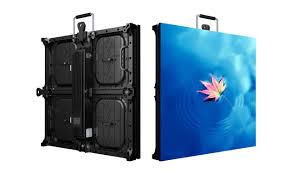
#1. The Science Behind LED LCD Screen Construction
An LED LCD screen comprises two primary components: the LED backlight and the LCD (liquid crystal display) panel. Here's how they work together:
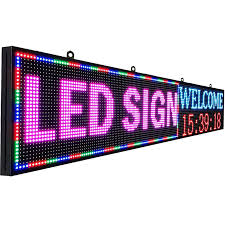
- LED Backlight: This component provides the light source for the screen. LEDs (light-emitting diodes) are selected for their brightness, longevity, and energy efficiency. White LEDs are commonly used for general displays, while RGB LEDs cater to high color gamut requirements.
- LCD Panel: The liquid crystal layer modulates light from the backlight to produce an image. This is achieved through polarization filters, thin-film transistors (TFTs), and color filters. The quality of the LCD panel significantly impacts the screen's resolution, color reproduction, and viewing angles.
#2. Manufacturing Process of LED LCD Screens
The production of LED LCD screens is a highly sophisticated process requiring precision at every step. Key stages include:
- Substrate Preparation: The process begins with the preparation of glass substrates. These act as the foundation for the thin-film transistors (TFTs) and liquid crystal layer.
- TFT Array Formation: A complex photolithography process is employed to deposit and etch TFTs on the substrate. TFTs control the alignment of liquid crystals and enable precise pixel control.
- Liquid Crystal Alignment: Liquid crystals are evenly applied between the substrates. An alignment layer ensures that these crystals respond predictably to electrical signals.
- LED Backlight Assembly: LEDs are mounted to the backlight assembly, which is then integrated with the LCD panel. This step requires exact positioning to ensure uniform light diffusion.
- Final Assembly and Testing: The panel is sealed, assembled, and rigorously tested for defects such as dead pixels, backlight bleeding, and color uniformity. Automated optical inspection (AOI) systems are often used to ensure quality consistency.
#3. Key Technical Parameters to Consider
When selecting or manufacturing an LED LCD screen, the following technical parameters must be evaluated:
- Resolution: Common standards include Full HD (1920x1080), 4K (3840x2160), and 8K (7680x4320). Higher resolutions cater to industries like gaming and professional design.
- Brightness and Contrast Ratio: Measured in nits, brightness levels vary between 300 nits for indoor screens to over 5000 nits for outdoor displays. A high contrast ratio ensures deeper blacks and vibrant colors.
- Refresh Rate: Measured in Hertz (Hz), this determines how often the screen updates per second. A minimum of 60Hz is standard, but gaming and high-performance displays require 120Hz or higher.
- Viewing Angles: Wider viewing angles (e.g., 178°) are crucial for applications like digital signage, where viewers may observe the screen from multiple perspectives.
- Energy Efficiency: Modern display panels leverage power-saving innovations such as local dimming and advanced LED drivers.
#4. Industry Trends and Innovations
The LED LCD screen industry is continually evolving to meet emerging requirements. Some trends to watch include:
- Mini-LED and Micro-LED Technology: These innovations bring finer LED backlight zones, resulting in better local dimming and higher contrast.
- Flexible and Transparent Displays: Advancements in materials science enable curved, foldable, and see-through screens, opening new possibilities for commercial and consumer applications.
- Sustainability: Manufacturers are adopting eco-friendly practices, such as using recyclable materials and reducing hazardous substances like cadmium.
- Smart Integration: AI-driven image processing, IoT compatibility, and touch-screen capabilities are being integrated into LED LCD screens to enhance functionality.
Conclusion
The manufacturing of LED LCD screens is a delicate balance of science, engineering, and market demands. From the precise construction of TFT arrays to integrating advanced backlight technologies, every step influences the final product's quality and performance. With industry trends steering toward higher resolutions, energy efficiency, and innovative designs, the future of LED LCD screens promises even greater breakthroughs. For manufacturers and businesses, staying ahead in this competitive sector requires continuous innovation, adherence to global standards, and a commitment to quality.













