

The Comprehensive Guide to LED LCD Screen Manufacturing: Insights, Processes, and Technical Expertise
LED LCD screens have become ubiquitous across industries, from consumer electronics to large-scale digital signage. Despite their prevalence, the science and engineering behind LED LCD screen manufacturing remains a fascinating blend of precision, complexity, and innovation. In this article, we delve into the core aspects of LED LCD screen production, covering critical processes, key technical parameters, and industry best practices.
Understanding LED LCD Technology
LED LCD (Light Emitting Diode Liquid Crystal Display) screens are an evolution of traditional LCD technology. While LCDs rely on liquid crystals to manipulate light and create images, the addition of LEDs as a backlight source enhances brightness, efficiency, and color performance.
Key features of LED LCD technology include:
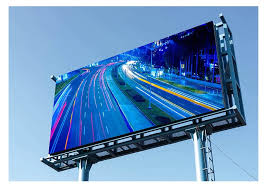
- Superior Brightness: LEDs offer higher brightness levels compared to older CCFL backlights, enabling better visibility in bright environments.
- Energy Efficiency: LED components use less power, reducing energy consumption significantly.
- Slim Design: LEDs allow for thinner screen profiles, making them ideal for modern, sleek designs.
Critical Production Processes
The manufacturing process for LED LCD screens encompasses multiple technical stages, each requiring strict adherence to quality standards to ensure optimal performance and durability.
1. Panel Assembly:
- Creation begins with the liquid crystal module, where liquid crystals are sandwiched between thin layers of glass coated with electrodes.
- Assembly requires precision alignment to properly control light passage through the liquid crystals.
2. LED Backlight Integration:
- LEDs are mounted on a matrix to serve as the light source.
- Uniform brightness distribution is achieved through optical diffusers and reflector layers.
3. Driver Electronics Development:
- Controller boards are integrated to translate input signals into visual data displayed on the screen.
- Advanced chips manage tasks like pixel refresh rates, contrast adjustment, and color rendering.
4. Screen Calibration:
- Final calibration ensures color accuracy, brightness uniformity, and adherence to standards like Rec. 709 or HDR10 for high-definition displays.
5. Quality Assurance Testing:
- Rigorous testing is performed, including checks for dead pixels, brightness uniformity, and thermal performance.
- Accelerated aging tests simulate extended use to predict product lifespan.
Technical Parameters to Consider
International readers interested in LED LCD screen performance should pay attention to the following specifications:
- Resolution: Common resolutions include Full HD (1920 x 1080), 4K UHD (3840 x 2160), and 8K UHD (7680 x 4320).
- Refresh Rate: Measured in Hertz (Hz), higher refresh rates (120Hz and above) improve motion smoothness, especially vital for gaming and video playback.
- Contrast Ratio: Determines the distinction between the darkest and brightest areas on the screen. LED LCDs typically achieve a contrast ratio of 1,000:1 or higher.
- Color Gamut: Specifications like DCI-P3 or Adobe RGB define the screen's ability to display accurate, vibrant colors.
- Brightness: Measured in nits, higher brightness levels (300 nits or more) ensure visibility in outdoor or well-lit environments.
Sustainability Trends in LED LCD Screen Manufacturing
The industry is leaning heavily toward sustainability, adopting eco-friendly practices such as:
- Reduced Energy Consumption: Utilizing advanced LED technologies minimizes power usage.
- Recyclable Materials: Manufacturers are designing screens with recyclable glass and reduced use of rare earth elements.
- Lifespan Extension: Improved LED technologies aim to increase the average lifespan of screens, reducing electronic waste.
Case Studies from Industry Leaders
Companies like Samsung and LG have pioneered innovations in LED LCD technology. For instance:
- Samsung's QLED Screens: By integrating quantum dot technology, Samsung achieved exceptional brightness and color accuracy, suitable for high-end displays.
- LG's NanoCell Displays: LG focused on enhancing color purity by using nanoparticles, ensuring a broader and richer color spectrum.
Best Practices for Manufacturers
To maintain quality and competitiveness in the global market, manufacturers should adhere to:
- ISO certifications for quality management systems.
- Compliance with RoHS (Restriction of Hazardous Substances) to reduce environmental impact.
- Regular R&D investment to stay ahead in innovation.
In conclusion, LED LCD screen manufacturing is both a science and an art, requiring impeccable quality control, advanced engineering, and continuous innovation. As demand grows in diverse industries, staying informed about technical parameters and production advancements is crucial for professionals and consumers alike.













