

Understanding the Latest Advan...
Understanding the Latest Advances in LED LCD Screen Manufacturing
The LED LCD screen manufacturing industry is a cornerstone of modern technology, providing displays for devices ranging from smartphones to massive outdoor billboards. As technological advancements continue to push the boundaries of display innovation, manufacturers must stay ahead by employing cutting-edge techniques and adhering to rigorous standards. This article delves into the latest advancements in LED LCD screen manufacturing, exploring technical parameters, industry insights, and practical applications.
#The Evolution of LED LCD Screens
LED (Light Emitting Diode) technology has revolutionized LCD (Liquid Crystal Display) screens, providing brighter displays, better energy efficiency, and thinner designs. Modern LED LCD screens incorporate thousands—or even millions—of tiny LED backlights behind the LCD panel to enhance light uniformity and contrast ratio.
Recent trends in the industry point toward the adoption of mini-LED and micro-LED technologies, which offer higher pixel densities, more refined local dimming capabilities, and a wider color gamut. Mini-LEDs reduce halo effects caused by uneven backlighting, while micro-LEDs promise unprecedented brightness and efficiency for high-end displays.
#Technical Parameters in LED LCD Manufacturing
Engineers must focus on several critical parameters when designing and manufacturing LED LCD screens:
- Resolution: Measured in pixels, resolution defines the clarity and sharpness of the display. Common standards include Full HD (1920x1080), 4K UHD (3840x2160), and 8K UHD (7680x4320). Higher resolutions are becoming increasingly common, especially in high-performance monitors and TVs.
- Contrast Ratio: Modern displays aim for a high dynamic range (HDR), with contrast ratios exceeding 1,000,000:1 for true-to-life visuals. This is achieved through advanced local dimming technologies.
- Brightness: Typically measured in nits, high brightness levels (e.g., 800-1500 nits) are critical for outdoor displays and HDR content.
- Color Accuracy: Using technologies like quantum dots, manufacturers ensure vivid colors that comply with wide color gamut standards such as BT.2020 or DCI-P3.
- Refresh Rate: A high refresh rate (120Hz, 144Hz, or more) reduces motion blur and provides smoother visuals, especially for gaming and sports applications.
#Key Manufacturing Processes
1. Substrate Preparation: The foundation layer, typically glass or advanced polymers, needs to be impeccably smooth and free of impurities.
2. Backlight Integration: LED arrays are strategically placed to provide uniform illumination across the LCD panel. Manufacturers are now leveraging edge-lit and direct-lit designs based on application requirements.
3. Panel Assembly: The liquid crystal material is sandwiched between electrodes, with precise control over alignment layers to ensure consistent pixel performance.
4. Quality Assurance: Advanced optical inspection systems scan for anomalies such as dead pixels, color inaccuracies, or uneven brightness distribution. Standards like ISO 9241-307 guide this process.
#Challenges and Solutions in LED LCD Screen Manufacturing
Despite the massive improvements in technology, challenges remain:
- Heat Dissipation: As brightness increases, so does heat generation. Manufacturers are now integrating effective cooling mechanisms, such as graphene-based dissipators.
- Miniaturization: As micro-LED and mini-LED technologies advance, producing smaller yet reliable components is a technical hurdle. Precision tools, such as laser-assisted assembly systems, aid in overcoming this challenge.
- Environmental Sustainability: Manufacturers are adopting low-energy production methods and recyclable materials to reduce environmental impact. Compliance standards like RoHS and WEEE are increasingly enforced globally.
#Applications and Market Trends
LED LCD screens find applications across various industries:
- Consumer Electronics: Smartphones, tablets, and smartwatches utilize advanced displays for portability and superior visuals.
- Entertainment: TVs with features like HDR10+ and Dolby Vision redefine the viewing experience.
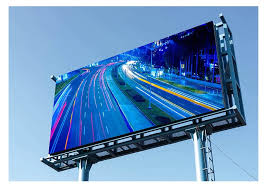
- Retail and Advertising: Large-format displays with high brightness and durability are essential for digital signage in public spaces.
- Automotive: Instrument clusters and infotainment systems are leveraging curved LED LCD screens for aesthetic integration.
Market data indicates strong growth in high-demand regions like North America, Europe, and Asia-Pacific. The global LED LCD display market was valued at USD 114 billion in 2022 and is projected to grow at a CAGR of 6.5% through 2030.
#Future Outlook
The next decade in LED LCD screen manufacturing will likely witness breakthroughs in materials science, such as organic LEDs (OLEDs), hybrid designs (QLED), and AI-driven production systems. Manufacturers must also navigate regulations and sustainability challenges while meeting consumer demand for more immersive and vibrant display technology.
#Conclusion
LED LCD screen manufacturing is an ever-evolving field requiring expertise across engineering, materials science, and production processes. By leveraging advancements like mini-LEDs and micro-LEDs, manufacturers can address technical challenges and deliver high-quality displays to meet diverse applications. With a focus on innovation and sustainability, the sector is poised for significant growth in the coming years.













