

Key Considerations in LED LCD Screen Manufacturing: A Guide for Display Engineers
The evolution of LED LCD screens has revolutionized display technology, powering everything from television sets and digital signage to mobile devices and outdoor advertising. As a professional LED display engineer, developing a deep understanding of manufacturing processes, technical parameters, and industry best practices is essential to delivering high-performance and durable screens. This article outlines the key aspects to consider during LED LCD screen manufacturing, providing insights that combine experience, technical expertise, and industry standards.
1. Materials and Components Selection
The foundation of any LED LCD screen lies in the quality of its materials. Selecting high-grade components is essential for achieving optimal performance and longevity.
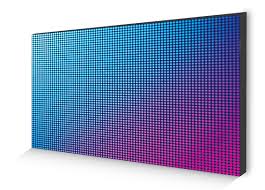
Key components include:
- LED Chips: The brightness, color accuracy, and overall efficiency depend largely on the quality of the LED chips. Popular manufacturers like Cree, Nichia, and Osram are recognized for their reliable chips.
- PCB (Printed Circuit Board): A robust PCB layout ensures proper heat dissipation and consistent power delivery. Aluminum PCBs are often used in high-power LED displays for their superior thermal management properties.
- Glass Substrate and TFT Layers: These elements contribute to display clarity and sharpness. Anti-reflective coatings can also enhance visibility in outdoor settings.
- Polarizers and Diffusers: For vivid color output and even light distribution, high-quality polarizers and diffusers are critical.
2. Thermal Management: A Crucial Engineering Challenge
Heat accumulation is a common issue in LED displays due to their high energy density. Proper thermal management ensures consistent performance and prevents premature failures.
Best practices include:
- Using aluminum or copper-based heat sinks to efficiently dissipate heat.
- Integrating advanced cooling systems such as active fans for high-power screens in outdoor applications.
- Applying thermal interface materials (TIMs) between the LED modules and heat sinks to improve conductivity.
Remember, consistent operating temperatures not only enhance performance but also extend the lifespan of the LED chips.
3. Pixel Pitch and Resolution: Meeting Application Demands
Pixel pitch, the distance between the centers of two adjacent pixels, directly impacts the resolution and viewing experience.
- Fine Pixel Pitch (Below 2mm): Ideal for indoor applications like conference rooms and control centers where close viewing is common.
- Standard Pixel Pitch (2mm-8mm): Suitable for retail displays and medium-sized digital signage.
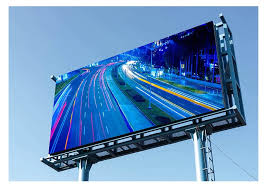
- Large Pixel Pitch (Above 8mm): Frequently used in outdoor billboards and large stadium screens where the viewing distance is significant.
Balancing pixel pitch with cost and application requirements is a critical decision during the design phase.
4. Driving Methods: Ensuring Efficient Operation
The driving method determines how power is delivered to the LED pixels, affecting brightness, reliability, and energy efficiency. Common driving methods include:
- Static Driving: Dedicated circuits supply power to each LED. This is preferred for high-brightness, high-resolution displays but comes at a higher cost.
- Dynamic Driving (Scanning): Reduces the number of drivers required by time-sharing resources among LEDs. While cost-effective, it may lead to lower brightness levels in some cases.
The choice of driving method depends on the application, performance requirements, and budget.
5. Calibration and Color Accuracy
Color performance is one of the most critical aspects of an LED LCD screen. Poor calibration can lead to color inconsistencies, detracting from the display’s quality.
Calibration techniques involve:
- Adjusting for color uniformity across the screen using advanced software.
- Measuring and matching color temperatures to achieve consistent brightness and hue.
- Ensuring compliance with international color standards like sRGB, Rec. 709, and DCI-P3 for professional-grade displays.
6. Quality Control and Reliability Testing
Thorough quality control processes are non-negotiable in LED LCD screen manufacturing. Testing ensures the product meets performance specifications and survives real-world conditions.
Key reliability tests include:
- Temperature and Humidity Testing: Assessing performance under extreme environmental conditions.
- Electrostatic Discharge (ESD) Testing: Preventing damage to sensitive components during handling.
- Aging and Burn-In Tests: Running displays for extended periods to detect early failures and ensure durability.
These tests help manufacturers identify and resolve potential issues before market deployment.
7. Assembly and Production Considerations
Automated manufacturing processes, such as Surface Mount Technology (SMT), ensure precision and scalability during production. Additionally, cleanroom environments are critical for screen assembly to avoid contamination of sensitive components.
For outdoor screens, weatherproofing measures such as conformal coatings and IP-rated enclosures protect against moisture, dust, and UV exposure.
8. Trends in LED Display Technology
The industry continues to evolve with innovations such as:
- Mini-LEDs and Micro-LEDs: Offering higher brightness and energy efficiency compared to traditional LEDs.
- Flexible and Transparent Displays: Increasingly popular for creative applications in retail and entertainment.
- HDR (High Dynamic Range): Delivering greater contrast and color depth for lifelike visuals.
Staying updated on these trends and adopting them into your designs can provide a competitive edge.
Conclusion
Manufacturing high-quality LED LCD screens requires a strategic blend of material selection, precise engineering, and rigorous quality control. By understanding and implementing these best practices, manufacturers can produce displays that meet the demands of diverse applications, balancing performance, durability, and cost-effectiveness. As market demands grow more sophisticated, the role of innovation and adherence to industry standards remains paramount in shaping the next generation of display technology.













