

The Fundamentals and Manufacturing Insights of LED LCD Screens
LED LCD screens have revolutionized the display technology industry, from mobile devices to large-scale digital signage. As a professional LED display engineer, I would like to offer an in-depth look into the intricacies of LED LCD screen manufacturing, while shedding light on the technical parameters and quality control measures that ensure their reliable performance.
#What is an LED LCD Screen?
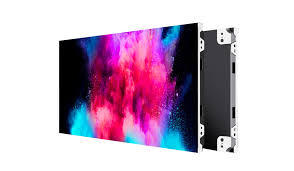
An LED LCD screen combines LED (Light Emitting Diode) technology with LCD (Liquid Crystal Display) panels to produce high-quality visuals. Unlike conventional LCD screens, which use CCFL (Cold Cathode Fluorescent Lamps) as backlights, LED LCD screens use LED arrays as the light source. This design offers advantages in energy efficiency, color accuracy, brightness, and a thinner form factor.
#Key Components of LED LCD Screens
1. LED Backlight Unit (BLU):
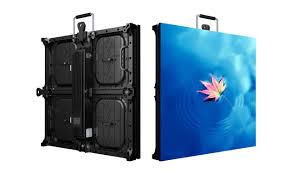
This is the light source of the display and is available in various configurations, including edge-lit and direct-lit designs. Direct-lit LED BLUs provide higher brightness and more consistent illumination, while edge-lit models allow slimmer designs.
2. Liquid Crystal Layer:
The liquid crystal layer manipulates light from the LED backlight to create images by controlling light transmission through millions of tiny pixels. The alignment of liquid crystals is controlled via voltage to produce various colors.
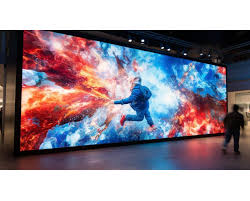
3. TFT Array (Thin Film Transistor):
Each pixel in an LED LCD screen is controlled by a TFT matrix, ensuring precise control of brightness and color.
4. Polarizers and Diffusers:
Polarizers are used to manage light vibration, while diffusers ensure even light distribution. These elements are essential for achieving uniform brightness across the screen.
5. Driver Electronics:
The driver IC (Integrated Circuit) controls the signal input and adjusts brightness, contrast, and refresh rates. Modern driver ICs also enable features such as HDR (High Dynamic Range) and dynamic dimming.
#Key Manufacturing Steps in LED LCD Screens
##1. Backlight Module Assembly (BMA):
The BMA involves mounting LED arrays onto a backplane, ensuring the placement is accurate to avoid uneven illumination. Automated SMT (Surface Mount Technology) machines are typically used to place LEDs with high precision.
##2. TFT Substrate Fabrication:
Creating the TFT glass layer requires photolithography techniques, where multiple thin films are deposited and patterned. This step demands cleanroom environments rated at ISO 5 or better to eliminate contamination.
##3. Liquid Crystal Injection:
The liquid crystal material is injected between two glass substrates. This step requires micrometer-level accuracy to ensure uniform filling without air bubbles.
##4. Polarizer and Optical Film Lamination:
Polarizers and diffusers are applied to enhance light uniformity and control. These layers undergo rigorous optical testing to ensure they meet specifications.
##5. Module Assembly and Testing:
All components—TFT layers, backlight modules, polarizers, and driver electronics—are assembled into a final module. Each assembly is rigorously tested for color uniformity, gray scale accuracy, response time, and thermal stability.
#Critical Technical Parameters
1. Resolution:
Higher resolutions offer better clarity. Common resolutions include Full HD (1920x1080), 4K (3840x2160), and 8K (7680x4320).
2. Brightness:
Measured in nits (cd/m²), brightness levels range from 300 nits for indoor displays to over 4000 nits for outdoor applications.
3. Contrast Ratio:
This measures the difference between the darkest black and the brightest white. Ratios like 1000:1 or higher deliver better dynamic range.
4. Refresh Rate:
Measured in Hertz (Hz), most basic panels have a refresh rate of 60 Hz, but high-end models can go up to 120 Hz or even 240 Hz for smoother visuals.
5. Color Gamut:
A wide color gamut, such as DCI-P3 or Rec. 2020, enables rich and vibrant color reproduction.
6. Power Consumption:
Efficiency is critical. LED LCD screens consume 20%–30% less energy than CCFL-backlit LCDs.
#Quality Control in Manufacturing
Quality control is integral to the production of LED LCD screens. Some key methods include:
- AOI (Automated Optical Inspection): Identifies defects in TFT patterns and solder joints.
- Gamma Calibration: Ensures consistent color output and grayscale accuracy.
- Environmental Testing: Exposes screens to temperature, humidity, and vibration extremes to test durability.
- Aging Tests: Screens are run continuously for 48–72 hours to detect early failures.
#Sustainability Considerations
Modern LED LCD manufacturing is moving toward eco-friendly practices. This includes using lead-free solder, recyclable materials, and energy-efficient production processes. Brands are also shifting toward modular designs to reduce e-waste by enabling easier repairs and upgrades.
#Conclusion
LED LCD screens have set a benchmark in display technology by delivering high performance, energy efficiency, and versatility. Whether used in smartphones, TVs, or billboards, they owe their success to meticulous manufacturing and quality control processes. As technology evolves, innovations such as quantum dot filters and microLEDs are set to further improve display quality, making this an exciting field to watch.













