

The Complete Guide to LED LCD Screen Manufacturing: Insights, Processes, and Best Practices
Introduction
The evolution of LED LCD screens has redefined the visual display industry, offering high-quality images, energy efficiency, and long-lasting durability. From digital billboards to flat-panel TVs, these screens have become pivotal in applications across industries like advertising, retail, entertainment, and corporate communications. However, the journey of creating a precision-engineered LED LCD screen is intricate. Each manufacturing step requires meticulous attention to detail, advanced technology, and adherence to industrial standards.
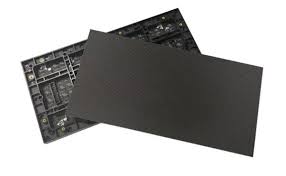
In this article, we will dive deep into the manufacturing process of LED LCD screens, the technical considerations required for high-quality production, and the best practices for achieving optimal performance and longevity.
Main Body
1. The Basics: What Are LED LCD Screens?
An LED LCD screen combines two key technologies: Liquid Crystal Display (LCD) and Light Emitting Diodes (LEDs). The LCD serves as the visual interface, displaying content through liquid crystal pixels that adjust light and color. LEDs act as the screen’s backlighting source, providing illumination that enhances brightness, contrast, and energy efficiency compared to older CCFL (Cold Cathode Fluorescent Lamps) technology.
Key benefits of LED LCD screens include:
- High energy efficiency
- Slim and lightweight design
- Improved brightness and contrast ratios
- Longer lifespan compared to traditional displays
2. Key Components of LED LCD Screens
The quality of an LED LCD screen depends on the synergy of its core components:
- Glass Substrate: Houses the liquid crystal layer and forms the framework for the display.
- Liquid Crystals: Control light passage via electrical manipulation, creating dynamic images.
- LED Backlight: Consists of a matrix of LEDs that provide even and consistent illumination.
- Polarizing Films: Regulate light waves and improve screen visibility.
- Driver IC (Integrated Circuit): Enables precise control over pixel illumination and data input.
- TFT (Thin Film Transistor): Used in active-matrix displays to improve response time and image quality.
3. Manufacturing Process of LED LCD Screens
The manufacturing process integrates various complex stages to ensure quality and performance:
- Step 1: Glass Substrate Preparation
High-quality glass panels are cleaned to remove impurities and are then coated with a conductive layer. This conductive layer facilitates the alignment of liquid crystals in the assembly process.
- Step 2: Deposition and Etching
Thin layers of metal or other conductive materials are deposited onto the substrate. These layers are carefully etched to form intricate patterns that will later serve as circuits for pixel control.
- Step 3: Liquid Crystal Placement
Liquid crystals are injected between two glass substrates. This is followed by the application of spacers to ensure uniform thickness, which is critical for consistent image quality.
- Step 4: LED Backlighting Assembly
Arrays of LEDs are mounted using precise alignment to ensure uniform light dispersion across the screen. The choice between edge-lit and full-array backlighting depends on the application and desired quality of the final product.
- Step 5: Assembly and Bonding
The polarizing films, glass substrate, and other components are laminated together. This step also involves attaching the driver IC and TFT array using advanced bonding techniques like Chip-on-Glass (COG) or Chip-on-Film (COF).
- Step 6: Quality Testing
Comprehensive testing is performed to ensure the screen meets industry standards for brightness, resolution, response time, and durability. Common tests include thermal cycling, optical performance assessment, and pixel defect analysis.
4. Technical Standards and Compliance
To ensure international compatibility and reliability, LED LCD screens must adhere to the following industry standards:
- ISO 9241-307: Ergonomic requirements for image quality in visual displays.
- RoHS (Restriction of Hazardous Substances): Ensures environmentally friendly component usage.
- IEC 62341: Standards for OLED and LCD displays, including safety and performance metrics.
- EMC (Electromagnetic Compatibility) Standards: Prevents interference with other electronic devices.
5. Trends and Innovations in LED LCD Manufacturing
The industry is evolving rapidly, with innovative trends shaping the future of display technology:
- Mini-LED and Micro-LED Technology: Offering superior brightness, contrast, and energy efficiency.
- Quantum Dot Enhancement: Improves color accuracy by utilizing nanotechnology.
- Flexible and Transparent Displays: Expanding potential applications in automotive and wearable technologies.
- Sustainable Manufacturing: Emphasis on recyclable materials and energy-efficient production techniques.
Conclusion
The manufacturing of LED LCD screens is a fascinating blend of advanced technology, stringent quality control, and innovative design principles. By understanding the intricate processes, key components, and industry standards, manufacturers can produce high-quality displays tailored to diverse applications.
As the demand for cutting-edge visual displays continues to grow, manufacturers must stay ahead of technological trends while adhering to environmental and safety regulations. With continuous innovation and a commitment to excellence, LED LCD screens will remain at the forefront of display technology for years to come.













