

Bright Frame Monitor: Comprehensive Insight into Modern LED LCD Screen Technology
As visual technology evolves, the demand for high-quality visual displays in professional and consumer markets continues to grow. Among the many innovations, the bright frame monitor has emerged as a key player in modern industries, ranging from broadcast and medical imaging to gaming and digital advertising. In this article, we delve into the technical specifics, manufacturing insights, and real-world applications of bright frame monitors, showcasing why they set a benchmark in the LED LCD screen category.
#What is a Bright Frame Monitor?
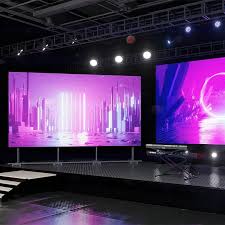
A bright frame monitor refers to an LED LCD screen designed to deliver superior brightness levels, ensuring enhanced visibility in various lighting conditions. Typically boasting brightness values of 500 nits or higher, these monitors outperform traditional displays in environments with high ambient light or direct sun exposure. Bright frame monitors are widely used in applications requiring color accuracy, high contrast ratios, and durability under demanding conditions, such as outdoor installations or industrial-grade setups.
#Key Features and Technical Parameters
1. Brightness Levels:
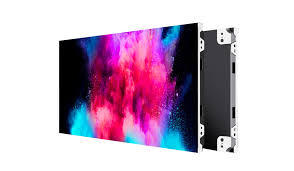
Bright frame monitors operate with brightness levels ranging between 500 to 3000 nits, compared to the 250-350 nits range of conventional displays. For example, monitors rated at 1000 nits are commonly used for outdoor advertising or control rooms where high luminance is indispensable.
2. Color Accuracy and Depth:
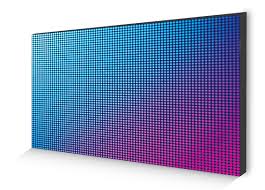
Many premium bright frame monitors are equipped with 10-bit color depth, supporting over 1.07 billion colors. This feature ensures accurate color reproduction, making them ideal for image-critical applications such as medical diagnostics or post-production video editing.
3. High Dynamic Range (HDR):
Bright frame monitors often incorporate HDR technology (HDR10 or Dolby Vision standards) to enhance the contrast and brightness range. HDR-capable displays deliver lifelike visuals by preserving details in bright highlights and dark shadows.
4. LED Backlighting:
Unlike traditional CCFL (cold cathode fluorescent lamp) backlighting, which produces uneven brightness and consumes more power, bright frame monitors use advanced LED backlighting. This not only enhances brightness and energy efficiency but also extends the display’s lifespan.
5. Anti-Reflective Coating:
For environments with intense lighting, anti-reflective or anti-glare coatings on the screen surface reduce reflection, improving screen readability and visual comfort.
6. Refresh Rate and Response Times:
Bright frame monitors typically offer high refresh rates (120Hz or above) and low response times (as low as 1ms). These specifications are particularly significant for applications like gaming, where latency and motion smoothness are critical.
7. Durability and Temperature Tolerance:
Industrial-grade bright frame monitors are designed to operate in extreme temperatures, often ranging from -20°C to 50°C, and are built with rugged enclosures to withstand environmental stresses such as dust, moisture, and vibrations.
#Manufacturing Insights
The manufacturing process of bright frame monitors involves several critical steps:
1. LED Module Production:
LED modules are the backbone of bright frame technology. High-power LEDs capable of producing consistent luminance are sourced and tested for efficiency and longevity.
2. Panel Assembly:
The LCD layers, LED backlighting, and protective coatings are assembled in cleanroom environments. Layer alignment is crucial to ensure uniform brightness and color reproduction.
3. Calibrated Testing:
Each monitor undergoes rigorous quality testing to calibrate brightness uniformity, color accuracy, and HDR performance. Advanced testing equipment measures nit levels and Delta-E color accuracy values to ensure they meet industry standards.
4. Enclosure and Sealing:
For outdoor applications, manufacturers use IP-rated (Ingress Protection) enclosures to prevent water and dust penetration. For example, an IP65-rated bright frame monitor is suitable for all-weather outdoor installations.
#Applications of Bright Frame Monitors
1. Broadcast and Media Production:
In studio environments, content creators rely on bright frame monitors for accurate color grading and real-time video monitoring. The high brightness and HDR compatibility make them indispensable tools in production workflows.
2. Control Rooms and Surveillance:
Control room operators, particularly in the military, aviation, and energy sectors, benefit from bright frame monitors due to their readability in both low-light and high-light environments.
3. Gaming and Esports:
Gaming professionals demand ultra-bright, high-refresh rate monitors for immersive experiences. Bright frame monitors with low input lag and vivid colors ensure competitive gaming excellence.
4. Digital Signage and Outdoor Displays:
Bright frame monitors dominate outdoor advertising due to their resilience against sunlight glare and ability to operate continuously in various weather conditions.
5. Healthcare Imaging:
Diagnostic imaging equipment, such as those used for X-rays and MRIs, requires bright frame monitors for clear visualization of medical details. Their exceptional contrast ratios and calibrated color accuracy ensure that no detail is missed.
#Advantages Over Traditional Displays
When compared to standard LCD monitors, bright frame monitors offer:
- Higher Visibility: Ensuring clear viewing even under direct sunlight.
- Improved Energy Efficiency: Thanks to LED backlighting technology.
- Enhanced Lifespan: Robust design tailored for continuous operation.
- Wide Viewing Angles: IPS (In-Plane Switching) technology ensures consistent image quality from various angles.
- Better ROI: Particularly in commercial applications like advertising, where visual impact directly translates to revenue.
#Future Trends in Bright Frame Technology
The bright frame monitor market is poised for technological advancements, including:
1. MicroLED Integration:
MicroLEDs offer higher brightness and energy efficiency compared to traditional LED backlighting, paving the way for thinner, lighter, and more vibrant bright frame monitors.
2. AI-Driven Calibration:
Leveraging Artificial Intelligence for real-time brightness and contrast adjustments based on environmental lighting conditions.
3. Flexible and Transparent Displays:
Bright frame technology is increasingly being adapted for transparent and flexible display designs, opening possibilities for augmented reality (AR) applications.
4. Sustainability:
Manufacturers are working towards eco-friendly designs, incorporating recyclable materials and energy-efficient components to reduce their carbon footprint.
#Conclusion
Bright frame monitors represent a pinnacle of innovation in LED LCD display technology. Their superior brightness, robust build, and adaptability across various industries make them an indispensable tool in today’s digital era. Whether you are a business owner seeking impactful digital signage, a gamer craving exceptional visuals, or a medical professional requiring precise imaging, bright frame monitors deliver unparalleled performance.
By continuously evolving with advanced technologies like MicroLED, HDR, and AI calibration, bright frame monitors are well-positioned to lead the next wave of display innovation.













