

#Main Body##Core Components an...
#Main Body
##Core Components and Materials
At the heart of any LED LCD display are its core components:
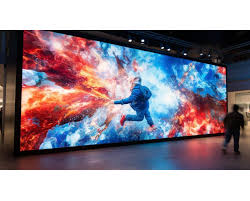
1. LED Backlight Units (BLUs):
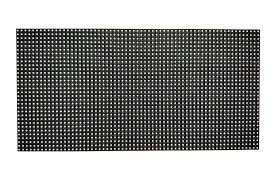
The backlight is a significant factor in display brightness, energy efficiency, and color accuracy. The LEDs used for backlighting are typically blue diodes coated with phosphor to emit white light. Advanced manufacturing processes now integrate quantum dot layers for enhanced color performance, delivering a wider gamut (up to 90–96% of DCI-P3 standard).
2. Liquid Crystal Layer:
This layer contains liquid crystal molecules sandwiched between two glass substrates coated with thin-film transistors (TFTs) and color filters. The alignment of these liquid crystals under electric fields determines the light's passage and forms the visible image.
3. Polarizers and Diffusers:
Polarizers help to regulate the direction of light waves, while diffuser sheets ensure the even distribution of backlight across the display surface.
4. Printed Circuit Boards (PCBs):
These are critical for signal processing and power distribution across the display panel.
##Manufacturing Process Overview
1. Substrate Preparation and Coating:
The process begins with the creation of TFT substrates on glass panels using photolithography. Multiple layers are deposited and etched to construct circuits capable of controlling each pixel. The alignment layer is then applied to manage liquid crystal orientation.
2. Cell Assembly:
The liquid crystal layer is formed by placing a small-volume liquid crystal material between two aligned glass substrates. Advanced robotic systems ensure sub-micron precision during this step.
3. Backlight Integration:
The LED array is mounted behind the liquid crystal layer to provide consistent illumination. Manufacturers often optimize the placement and number of LEDs to balance energy efficiency and brightness uniformity.
4. Lamination and Encapsulation:
Once the core modules are assembled, the display is laminated and encapsulated to protect it from environmental factors, such as moisture and dust.
5. Calibration and Testing:
Display panels undergo rigorous testing for color accuracy, brightness, and defective pixels before final assembly. Techniques like gamma correction and white balance calibration ensure that the display meets industry standards such as ISO 9241-307.
##Quality Control and Standards
Quality assurance is a critical component at every stage of manufacturing. Key standardized tests include:
- Luminance and Contrast Testing: Ensures optimal brightness and contrast levels suitable for different ambient light conditions.
- Color Temperature Measurement: To achieve consistency in output across batches, measured in Kelvin (e.g., 6500K for neutral white).
- Reliability Testing: Evaluates the screen's durability under thermal stress, humidity, and mechanical fatigue.
Compliance with international standards, such as RoHS (Restriction of Hazardous Substances) and ENERGY STAR, is essential to meet regulatory and market demands.
##Industry Trends and Innovations
1. Micro LED and Mini LED Technology:
These next-generation LED technologies are driving higher brightness, better contrast ratios, and lower power consumption compared to traditional LED BLUs. Mini LEDs, for instance, allow for more precise local dimming zones, contributing to enhanced HDR performance.
2. Flexible and Transparent Displays:
With the adoption of organic materials and advanced encapsulation techniques, displays are now being designed to be bendable and transparent, paving the way for innovations like foldable smartphones and AR/VR displays.
3. Sustainability Initiatives:
Ample focus is being placed on reducing production waste and adopting materials that are easier to recycle. Companies are also exploring low-power backlighting solutions and eco-friendly circuit designs to lower the carbon footprint of display production.













