

Key Insights into LED LCD Screen Manufacturing: Technology, Standards, and Best Practices
The demand for LED LCD screens has grown exponentially in the past decade, driven by advancements in technology, growing applications in multiple industries, and consumer interest in ever-larger and crisper displays. As a professional LED display engineer with years of experience, I aim to provide an in-depth overview of LED LCD screen manufacturing. This article focuses on technical parameters, key manufacturing considerations, industry standards, and real-world insights to guide professionals and enthusiasts alike.
1. Understanding LED LCD Screen Technology
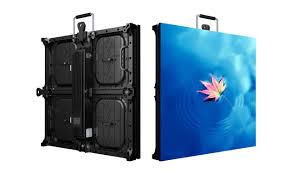
LED LCD screens are a combination of two primary technologies: LCD (Liquid Crystal Display) and LED backlighting. While LCD is responsible for creating the image using liquid crystal panels, LED provides the illumination necessary to make the image visible.
Key components include:
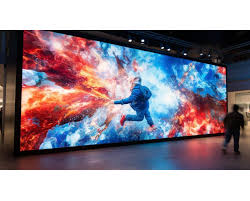
- TFT-LCD panel (Thin Film Transistor Liquid Crystal Display): This is the core of the screen, responsible for delivering high-resolution images by controlling each pixel.
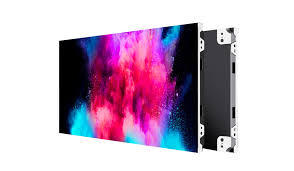
- LED backlighting: LED modules are used for illumination, replacing the older CCFL (Cold Cathode Fluorescent Lamp) technology, offering better energy efficiency, slimmer designs, and superior contrast.
Additional technologies, such as quantum dot enhancement and HDR (High Dynamic Range), further amplify the color gamut and brightness levels, making modern LED LCD screens ideal for both indoor and outdoor applications.
2. Critical Technical Parameters
When designing or evaluating LED LCD screens, consider the following key technical parameters:
- Resolution: A critical determinant of image clarity. Common resolutions include Full HD (1920x1080), 4K UHD (3840x2160), and 8K UHD (7680x4320).
- Brightness: Measured in nits, brightness levels vary by application. For example, indoor displays typically have 200-500 nits, while outdoor displays require 1,500-5,000 nits to remain visible under direct sunlight.
- Contrast Ratio: High contrast ratios (e.g., 3000:1 or higher) enhance the visual depth and make images appear more vibrant.
- Refresh Rate: Measured in Hertz (Hz), this determines how often the image on the screen is refreshed per second. Standard refresh rates include 60Hz, 120Hz, and 240Hz, with higher rates preferred for gaming or high-motion video.
- Color Gamut: Displays with wider color gamuts such as DCI-P3 or AdobeRGB produce richer and more accurate colors, elevating the visual experience.
- Panel Lifespan: LED LCD panels typically have a lifespan of 30,000–100,000 hours, depending on usage conditions and quality.
3. Manufacturing Process Overview
The manufacturing process of LED LCD screens is highly complex and requires precision at every step:
- Module Assembly: The TFT-LCD panel is integrated with LED backlighting units. Advanced optical films, such as polarizers and diffusers, are layered to ensure uniform light distribution.
- Driver Circuit Integration: Driver ICs (Integrated Circuits) are responsible for controlling pixel behavior and color rendering. This stage also involves wiring and connecting the screen to the control board.
- Calibration and Testing: After assembly, each screen undergoes rigorous calibration to ensure brightness, color uniformity, and performance consistency across all pixels. Testing for defects, dead pixels, and light leakage is critical at this stage.
- Packaging and Quality Inspection: Screens are packaged with anti-static measures to prevent damage during shipping. A final inspection ensures compliance with industry standards.
4. Industry Standards and Compliance
Adherence to global quality and safety standards is essential in LED LCD screen manufacturing. Key certifications and standards include:
- ISO 9001: Ensures quality management systems in manufacturing.
- RoHS (Restriction of Hazardous Substances): Restricts the use of hazardous materials in electronic devices.
- EMC (Electromagnetic Compatibility): Ensures that screens do not emit excessive electromagnetic interference.
- Energy Star: Certifies energy-efficient products to reduce environmental impact.
5. Challenges in LED LCD Manufacturing
While innovation has streamlined manufacturing processes, several challenges remain:
- Heat Dissipation: LED backlights generate heat, requiring advanced thermal management solutions to prevent overheating and ensure long-term reliability.
- Pixel Defects: Achieving zero dead pixels is challenging, especially in high-resolution panels. Manufacturers often set thresholds to determine acceptable levels of pixel defects.
- Supply Chain Disruption: Shortages of critical materials, such as rare earth elements used in LED production, can impact production timelines and costs.
- Custom Solutions: Customizing screens for unique applications, such as curved displays or transparent panels, requires specialized production lines and innovation.
6. Emerging Trends in LED LCD Technology
The future of LED LCD screens looks promising, with several cutting-edge trends shaping the industry:
- Micro-LED Technology: Offering higher brightness, better contrast, and improved energy efficiency compared to traditional LEDs, Micro-LEDs are poised to revolutionize the industry.
- Flexible Displays: Bendable and foldable displays are becoming increasingly popular in consumer electronics.
- Enhanced Sustainability: Manufacturers are focusing on eco-friendly materials and processes to reduce the environmental impact.
- Integration of AI and IoT: Advanced screens are being developed with integrated AI and IoT capabilities for smart homes, automotive, and industrial applications.
Conclusion
The LED LCD screen manufacturing industry is a dynamic and rapidly evolving field requiring precision engineering, quality control, and adherence to global standards. By understanding the key technological parameters, challenges, and emerging trends, manufacturers and engineers can continue to deliver high-quality displays that cater to diverse applications. Whether you’re a professional in the industry or an enthusiast looking to understand the technology, staying updated on advancements and best practices is essential.













