

Advanced LED LCD Screen Manufacturing: Technology, Parameters, and Industry Best Practices
The evolution of LED LCD screen manufacturing embodies a blend of advanced materials science, precision engineering, and cutting-edge manufacturing processes. In today’s displays market, the demand for high resolution, brightness, and color accuracy compels manufacturers to continuously innovate and optimize their production lines. This article delves into the technical parameters, industry standards, and best practices crucial for engineering top-performing LED LCD screens, providing insights with authoritative backing and practical relevance for global industry stakeholders.
At the core of modern LED LCD manufacturing is the synergy between LED backlighting and liquid crystal modulation. LED backlights serve as the illumination source, offering advantages over traditional CCFL (Cold Cathode Fluorescent Lamp) solutions, such as enhanced energy efficiency, superior color gamut, longer lifespan, and thinner design profiles. According to the International Electrotechnical Commission (IEC) standard IEC 62717, LED modules used in backlighting must meet stringent photometric consistency and thermal reliability requirements to ensure display uniformity and longevity.
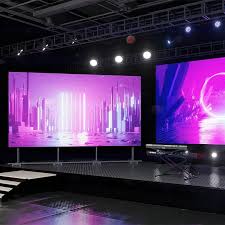
Key Technical Parameters:
1. Pixel Pitch: The pixel pitch defines the distance between the center of two adjacent pixels. For high-definition LCDs, this can range from 0.3mm to 2mm. Smaller pixel pitches result in higher pixel density, yielding sharper images but also increase manufacturing complexity and cost.
2. Brightness: Measured in nits (cd/m²), brightness levels for industrial-grade LED LCD displays typically range between 400 to 1500 nits, with outdoor displays demanding brightness exceeding 2000 nits to combat ambient light. Manufacturers must carefully select high-quality LEDs and optimize diffuser layers to ensure uniform brightness distribution without hotspots.
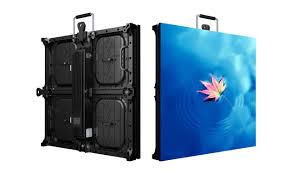
3. Contrast Ratio: A fundamental parameter for image quality, the contrast ratio (often above 1000:1 for high-end panels) determines the difference between the darkest black and the brightest white a display can produce. Achieving high contrast requires precise control of liquid crystal alignment and polarizers compliant with ISO 13406-2 standards regarding visual ergonomics.
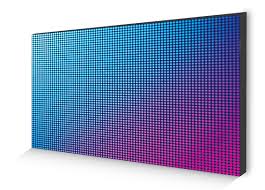
4. Color Gamut and Accuracy: Using LED backlights with tailored phosphor compositions enables wider color gamuts, often exceeding NTSC 72% and approaching Adobe RGB profiles. Color accuracy is measured by ΔE values; values under 2 indicate excellent calibration suitable for professional applications like medical imaging and color grading.
5. Response Time: The transition speed of liquid crystals directly affects motion rendering, with low response times (under 8ms) critical in gaming and broadcast applications to reduce blurring. Manufacturers employ advanced liquid crystal materials and precise driving voltages to achieve this performance.
Manufacturing Best Practices
- Cleanroom Environment: Production in ISO Class 5 cleanrooms minimizes particulate contamination impacting panel transparency and LED lifetime.
- Thermal Management: Effective thermal dissipation is vital, as LED lifetime and color stability degrade at elevated temperatures. Incorporating heat sinks, thermally conductive adhesives, and real-time temperature monitoring ensures optimal performance.
- Quality Control: Utilizing automated optical inspection (AOI) combined with machine learning algorithms helps detect defects such as dead pixels or color inconsistencies early, reducing waste and improving yield rates.
- Soldering and Assembly: Employing reflow soldering under nitrogen atmospheres enhances solder joint reliability on LED driver ICs, crucial for longevity under intensive operational conditions.
- Sustainability: Complying with RoHS (Restriction of Hazardous Substances) directives and adopting lead-free soldering processes exhibits environmental stewardship increasingly mandated by international regulations.
Industry Use Cases:
One notable case is Samsung’s implementation of advanced Quantum Dot LED LCD technology, boosting brightness up to 1500 nits with excellent color accuracy for premium televisions (Samsung Display, 2023). Similarly, industrial displays utilized in aerospace control panels demand robust performance under wide temperature ranges (-40°C to 85°C) with carefully engineered thermal and mechanical properties, as outlined in MIL-STD-810 standards.
Emerging Trends and Challenges:
The push toward mini-LED and micro-LED backlighting technologies marks a significant step forward, integrating thousands of smaller LEDs directly beneath the LCD matrix. This approach dramatically enhances local dimming capabilities, improving contrast ratios beyond 5000:1 with enhanced HDR support (DisplayMate Technologies, 2024). However, challenges include increased complexity in LED binning and driver IC design, as well as cost-intensive manufacturing automation.
In conclusion, the manufacturing of LED LCD screens demands a multilayered technical approach encompassing material science, precision engineering, and rigorous quality assurance aligned with international standards. Innovations in LED technology, alongside sophisticated thermal and optical engineering, continue to define the future of high-performance displays. For manufacturers and engineers, staying abreast of evolving parameters and best practices is paramount for maintaining competitiveness and meeting the increasingly sophisticated needs of global markets.
References:
- IEC 62717: LED modules for general lighting — Performance requirements
- ISO 13406-2: Ergonomic requirements for visual displays
- Samsung Display White Papers (2023)
- DisplayMate Technologies Analysis (2024)
- MIL-STD-810: Environmental Engineering Considerations and Laboratory Tests













