

Understanding the Manufacturing and Functional Dynamics of LED LCD Screens
LED LCD screens have become an integral part of modern technology, powering everything from smartphones to large-scale digital signage. Their vibrant visuals, energy efficiency, and durability make them essential in industries ranging from consumer electronics to entertainment and advertising. But what goes into making these sophisticated display technologies, and how can they be optimized for performance?
#Introduction
The fusion of Light-Emitting Diodes (LEDs) and Liquid Crystal Displays (LCDs) has revolutionized display technology. While LEDs act as the backlighting source, LCDs handle the image rendering. This blend has birthed screens that are efficient, multifunctional, and adaptable for various applications. By diving deeper into the core manufacturing processes, engineering principles, and practical applications, you can better appreciate the complexities and innovations behind these displays.
#Main Body
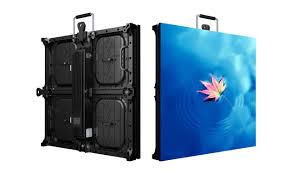
##Core Components of LED LCD Screens
An LED LCD screen consists mainly of the following:
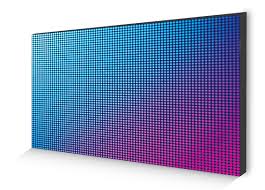
- LED Backlight Unit (BLU): LEDs are used to illuminate the screen. They are strategically arranged as edge-lit or direct-lit backlighting, depending on the device's requirements.
- Liquid Crystal Layer: Composed of liquid crystals sandwiched between two glass layers, this layer manipulates light to display colors and images.
- Color Filter and Polarizers: These components enhance visual fidelity by controlling the passage of light and producing accurate colors.
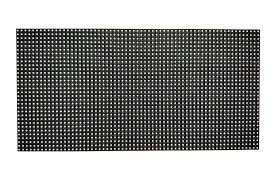
- Drive Electronics: Includes Integrated Circuits (ICs) responsible for pixel management, power regulation, and image processing.
##Manufacturing Process
The precision and engineering involved in producing LED LCD screens ensure their quality, longevity, and effectiveness. Below is an overview of the critical manufacturing process:
1. Panel Fabrication:
- Thin-film transistors (TFTs) are deposited on glass substrates.
- Liquid crystal materials are injected into the cell structure.
2. Backlight Assembly:
- LEDs are mounted onto substrates, often using advanced Surface Mount Technology (SMT).
- Reflectors and diffusers are installed to ensure even light distribution.
3. Optical Layer Integration:
- Polarizers and color filters are laminated onto the LCD layer.
- Anti-glare or anti-reflective coatings may be applied to enhance visibility in different lighting environments.
4. Module Assembly:
- The display panel is connected to driving electronics through flexible printed circuits (FPCs).
- Protective housing and connectors are added to transform the panel into a final display unit.
5. Testing and Calibration:
- Each unit undergoes stringent quality control tests, including brightness uniformity checks, color accuracy tests, and burn-in trials to ensure durability.
- Inspection standards such as ISO 9241-307 guide this process.
##Technical Parameters That Define Performance
When engineering LED LCD displays, several key performance indicators need to be optimized:
- Resolution: Defines the sharpness of the display. Common resolutions include Full HD (1920x1080), 4K (3840x2160), and 8K (7680x4320).
- Brightness and Contrast Ratio: Determines the screen’s visibility in ambient lighting. A good LED LCD can reach brightness levels of 300-1000 nits and contrast ratios of 1000:1 or higher.
- Color Gamut: Measured as NTSC or DCI-P3 coverage, which affects color vibrancy and accuracy. High-end displays achieve 90%+ DCI-P3 coverage.
- Refresh Rate and Response Time: A refresh rate of 60Hz or higher ensures smooth transitions, while response times below 5ms reduce motion blur.
- Power Consumption: LED backlighting is significantly more energy-efficient compared to traditional CCFL backlights, reducing operational costs.
##Challenges and Innovations in LED LCD Technology
While LED LCD screens are highly advanced, they are not without challenges:
- Uniformity Issues: Maintaining consistent brightness across the panel can be difficult, especially in larger displays. Innovations like local dimming and Mini-LED technology aim to address this.
- Durability: Ensuring resistance to environmental factors such as humidity, temperature fluctuations, and physical stress is crucial for outdoor applications.
- Cost Efficiency: The integration of advanced technologies like Micro-LEDs and quantum dots, although beneficial, increases manufacturing costs.
Emerging technologies such as OLED and Micro-LED displays compete with traditional LED LCDs by offering better contrast and thinner profiles. However, LED LCDs remain superior in affordability, scalability, and lifespan.
#Conclusion
LED LCD screens represent a harmonious blend of art and engineering. Their manufacturing involves precise coordination of materials, electronics, and optical elements to deliver stunning visuals that cater to diverse applications. By understanding the intricacies of their design and production processes, businesses and consumers alike can make informed decisions about their display technology needs.
This technology continues to evolve with innovations like Mini-LEDs and quantum dots, further pushing the boundaries of display performance while addressing existing limitations. As the industry moves forward, LED LCD screens will undoubtedly remain a cornerstone of display technology due to their unmatched versatility and value.













