

Main Body#1. Understanding LED...
Main Body
#1. Understanding LED LCD Technology
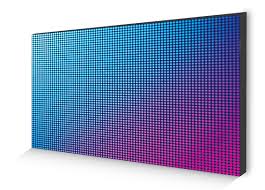
LED LCD screens are hybrid displays that combine LED backlighting with an LCD (Liquid Crystal Display) panel. The LEDs provide the light source, while the LCD panel modulates it to produce images. This combination offers better brightness, color accuracy, and power efficiency compared to traditional LCDs.
##Key Components of LED LCD Screens
- LED Backlight: This is the light source, arranged in an edge-lit or direct-lit configuration. LEDs are chosen for their energy efficiency, long lifespan, and ability to emit intense brightness.
- LCD Panel: The panel contains liquid crystals sandwiched between two layers of glass. These crystals allow light modulation based on electrical inputs.
- TFT Layer: A Thin Film Transistor (TFT) layer is integrated into the LCD panel to control individual pixels for precise image rendering.
- Polarizers: Two polarizers are used to manage light direction and contrast.
- Driver ICs: Integrated Circuits (ICs) control the display's operational functions, including brightness, color, and refresh rate.
#2. The Manufacturing Process
The production of LED LCD screens involves multiple precise steps, combining advanced machinery and strict quality control to achieve optimal display performance.
##Step 1: Substrate Preparation
The manufacturing process begins with preparing the glass substrates that will house the liquid crystals. The substrates are coated with thin films of conductive material, such as indium tin oxide (ITO), which will transmit electrical signals.
##Step 2: Liquid Crystal Alignment
Liquid crystals are deposited onto the substrate in a controlled environment, ensuring proper alignment for optimal light modulation. Techniques like rubbing or photoalignment are employed to create microscopic grooves that direct the liquid crystals' orientation.
##Step 3: Assembly of TFTs
Thin Film Transistor arrays are deposited onto the substrate using chemical vapor deposition (CVD). These TFTs act as switches and control individual pixels.
##Step 4: LED Integration
LEDs for the backlighting system are integrated into the frame of the screen. Direct-lit configurations use a matrix of LEDs behind the panel, while edge-lit systems place LEDs along the edges.
##Step 5: Polarizer Attachment
Polarizer films are attached to the front and back of the LCD panel. The front polarizer ensures only correctly aligned light reaches the viewer, while the rear polarizer enhances contrast.
##Step 6: Driver IC Installation
Driver ICs are embedded onto the circuit board to control the display’s electronic input/output. These chips are crucial for managing tasks like power distribution, video signal processing, and pixel activation.
##Step 7: Assembly and Encapsulation
All components are assembled into a single unit, with the addition of protective layers and housing. The screen undergoes encapsulation to shield it from moisture and dust.
##Step 8: Quality Testing
Comprehensive quality assurance tests are performed, including brightness checks, color accuracy verification, refresh rate testing, and durability assessments. Defective units are either discarded or sent for rework.
#3. Industry Standards and Best Practices
To ensure reliability and performance, manufacturers adhere to international standards such as ISO 9241-303 (Ergonomics of visual display terminals) and IEC 61988-2-1 (Standard for Plasma Panels, often applicable to LCD devices). Additionally, strict environmental and safety regulations are followed to minimize hazards associated with chemicals used during production.
##Key Practices for Success
- Consistency in Quality Control: Employ automated testing at every step to minimize defects.
- Energy-Efficient Materials: Use LEDs with lower power consumption and higher brightness output.
- Advancements in Miniaturization: Incorporate technologies like MicroLEDs and higher-resolution TFTs for improved performance.
Conclusion
The manufacturing of LED LCD screens is a fascinating blend of science, engineering, and artistry. From substrate preparation to quality testing, every step is crucial to delivering a display that meets the high demands of global markets. As technology continues to evolve, innovations like quantum dot layers and MicroLEDs promise even brighter, more vibrant, and energy-efficient screens. Understanding the complexities of this process not only highlights the precision involved but also underscores the importance of adhering to industry standards to ensure reliability and sustainability.













