

Advanced Insights into LED LCD Screen Manufacturing: A Comprehensive Guide
The rapid evolution of LED LCD screen technology is reshaping industries worldwide, from consumer electronics and automotive displays to outdoor advertising and medical imaging. For professionals, businesses, and tech enthusiasts seeking to understand the nuances of LED LCD screen manufacturing, this article delves deep into the key processes, design principles, materials, and innovations defining the field.
#Understanding LED LCD Screens
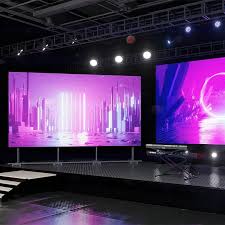
An LED LCD screen is a combination of a liquid crystal display (LCD) and LED backlighting. LCD panels control the light emitted by LED backlights to create vibrant, high-contrast images. The LED backlight significantly enhances brightness, energy efficiency, and lifespan compared to older CCFL (cold cathode fluorescent lamp) backlighting.
##Key Benefits
1. Energy Efficiency: LED backlighting uses less power than traditional light sources, reducing operational energy costs.
2. Color Accuracy: Advanced technologies like Quantum Dot improve color reproduction, making LED LCD screens a favorite in professional monitoring and photo editing applications.
3. Slim Form Factor: LEDs allow for slimmer designs, enabling ultra-thin displays and flexibility in product design.
#Crucial Components in LED LCD Screen Manufacturing
##1. Glass Substrate:
The glass substrate serves as the base for the liquid crystal layer. It is made from highly purified, chemically strengthened materials to ensure durability and optical clarity. Popular manufacturers such as Corning and AGC produce substrates for specialized applications, including ultra-thin screens.
##2. Liquid Crystals:
Liquid crystals are layered between two glass substrates. They manipulate light by controlling its polarization when subjected to an electric field. TN (Twisted Nematic), IPS (In-Plane Switching), and VA (Vertical Alignment) are widely used technologies, each offering distinct imaging characteristics.
- TN Panels: Fast response times but limited viewing angles.
- IPS Panels: Superior color reproduction and wide viewing angles.
- VA Panels: Outstanding contrast ratios but slower response times.
##3. LED Backlighting:
LED backlights come in various configurations, including edge-lit, direct-lit, and full-array models. Full-array systems with local dimming offer precise brightness control, resulting in stunning contrast and reduced light leakage.
##4. Driver ICs (Integrated Circuits):
Driver ICs control pixel activation and backlight dimming, ensuring smooth operation. High-quality driver ICs from manufacturers like Novatek and Himax ensure reliability and accuracy in modern displays.
##5. Polarizers and Filters:
Polarizers eliminate unwanted light reflections, while filters like anti-glare coatings enhance visibility in high-light environments, such as automotive displays. Innovations include multi-layer coatings for blue light reduction.
#The Manufacturing Process
##1. Material Selection:
The process begins with sourcing high-quality components, including purified LC materials, chemically treated glass, and advanced LED chips. Material standards like ISO 9001 ensure consistency and durability.
##2. Assembly of LCD Panels:
Liquid crystals are injected between the glass layers, and alignment layers are applied. These layers rely on technologies such as robotic precision alignment and UV curing.
##3. Integration of LED Backlighting:
LED placement is critical to light uniformity. Modern manufacturing uses precision CNC machinery and AI-guided systems to achieve perfect alignment.
##4. Testing and Calibration:
Post-assembly, screens undergo rigorous testing for brightness uniformity, color fidelity, and defect detection (e.g., dead pixels). Testing equipment, like spectroradiometers, ensures compliance with industry standards, including ISO 9241 for visual ergonomics.
##5. Encapsulation and Packaging:
Encapsulation involves sealing the edges and adding protective layers. This guarantees longevity against environmental factors like moisture and dust.
#Technical Innovations Reshaping LED LCD Manufacturing
##Quantum Dot Technology
Quantum dots are nanocrystals added to LED backlighting. They enhance color accuracy and brightness by emitting pure colors when exposed to light. Brands like Samsung and TCL leverage this technology in premium displays.
##Mini-LED and Micro-LED
1. Mini-LED: Smaller LEDs provide more local dimming zones, improving contrast and resolution.
2. Micro-LED: Promising even higher brightness, efficiency, and longevity, Micro-LED technology represents the future of ultra-high-definition displays.
##Flexible Displays
The advent of flexible LCD screens, enabled by OLED and advanced bending techniques, allows manufacturers to produce foldable smartphones, curved monitors, and wearable displays.
##Smart Manufacturing Integration
The use of AI, IoT, and robotics in manufacturing processes reduces errors, enhances production speed, and enables predictive maintenance. Companies like LG Display and BOE Technology have pioneered smart manufacturing infrastructures.
#Applications Across Industries
##Consumer Electronics
From televisions to smartphones, LED LCD displays dominate global markets. High refresh rates (e.g., 120 Hz or 240 Hz) and HDR (High Dynamic Range) compatibility are major selling points.
##Automotive Displays
Thin, robust LCD screens are used in dashboards and infotainment systems. The emergence of sunlight-readable screens with anti-reflective coatings is particularly important for automotive applications.
##Medical Imaging
LED LCD displays in medical imaging systems ensure high resolution and accurate color reproduction, critical in diagnostics such as CT scans and MRIs.
##Outdoor Advertising
High-brightness LED backlighting enables visibility in diverse lighting conditions. Innovations in waterproofing and anti-glare technology are improving outdoor LED LCD screen reliability.
#Industry Standards and Certifications
Professionals must adhere to internationally recognized standards for LED LCD manufacturing to ensure quality and safety:
- ISO 9241: Ergonomic requirements for visual displays.
- ANSI/IES RP-27: Guidelines for photobiological safety of LED components.
- RoHS: Restrictions on hazardous substances to meet environmental regulations.
#Key Challenges
##Heat Management
LED backlights generate heat that can reduce product lifespan. Efficient thermal management solutions, such as heat sinks and advanced PCB designs, are indispensable.
##Cost Efficiency
Manufacturing high-quality screens while maintaining competitive pricing requires innovation in materials and processes. Economies of scale and new technologies like printed electronics are helping achieve cost efficiency.
#Conclusion
The LED LCD screen manufacturing industry is evolving rapidly, driven by better materials, smarter processes, and tighter integration of advanced technologies. From Mini-LED to Quantum Dot innovations, manufacturers are pushing the boundaries of brightness, resolution, and energy efficiency. By adhering to industry standards and embracing cutting-edge advancements, professionals can expect to meet the growing demands of various markets.
As the line between LED LCD, OLED, and emerging display technologies blurs, staying informed about these advancements will be crucial for stakeholders across industries.













