

Understanding LED LCD Screen Manufacturing: A Comprehensive Guide
The LED LCD screen industry has undergone a transformational evolution over the past decade, driven by advancements in technology, increasing demand for high-quality displays, and the rise of diverse applications across industries. From consumer electronics to outdoor advertising and industrial displays, the versatility and efficiency of LED LCD screens have made them indispensable in modern life. This guide delves into the complexities of LED LCD screen manufacturing, exploring the technical nuances, production processes, and key considerations for industry professionals.
#What is an LED LCD Screen?
An LED LCD screen combines two key display technologies: Liquid Crystal Display (LCD) and Light Emitting Diodes (LEDs). The LCD forms the visual interface by manipulating liquid crystals to block or allow light, while LEDs serve as the light source behind the screen (commonly called backlighting). Compared to traditional Cold Cathode Fluorescent Lamps (CCFLs), LED backlights are more energy-efficient, offer better color accuracy, and enable thinner display designs.
#Key Components of an LED LCD Screen
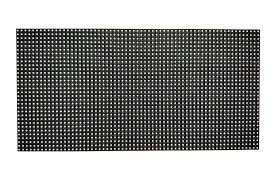
1. Liquid Crystal Panel: This layer contains millions of tiny pixels, each made up of red, green, and blue subpixels. The liquid crystals rotate and adjust light passage through each subpixel to create images.
2. Backlight Unit (BLU): Consisting of LED arrays, the BLU provides uniform light distribution across the display. Edge-lit and direct-lit configurations are two common types of backlight setups.
3. Polarizers: These thin films filter light, allowing only specific light waves to pass through, crucial for image clarity.
4. Driver ICs and Circuit Boards: These control the operation of the display by regulating electrical signals to the pixels.
5. Protective Glass/Optical Layers: Provide durability and reduce glare, making the screen robust and easy to view under various lighting conditions.
#The Manufacturing Process
The manufacturing of LED LCD screens is highly intricate, involving multiple sophisticated processes. Below is a breakdown of the key stages:
##1. Panel Fabrication
- Glass Cutting and Cleaning: Ultra-thin glass sheets are cut to size and meticulously cleaned to ensure no particles interfere with the display's operation.
- Thin-Film Deposition: Transparent electrodes (usually made of Indium Tin Oxide) are deposited on the glass substrate to form the pixel grid.
- Liquid Crystal Injection: The liquid crystal material is injected into the panel through microscopic openings that are sealed afterward.
##2. Backlight Assembly
- LED Selection: High-quality LEDs are sorted to ensure brightness and color consistency.
- Light Guide Plate (LGP) Integration: The LGP is designed to distribute light uniformly from the LEDs across the screen.
- Diffuser Layers: Multiple diffuser films are stacked to eliminate "hot spots," ensuring even lighting.
##3. Assembly and Calibration
- Layer Stacking: The LCD panel, backlight unit, polarizers, and other layers are precisely aligned and laminated together.
- Frame Installation: A bezel or frame is added to secure all components.
- Color Calibration: Sophisticated software and hardware are used to adjust color temperature, brightness, and gamma settings across the entire screen.
##4. Final Testing
Each screen undergoes rigorous testing, including:
- Uniformity Tests: Ensuring even brightness and color across all pixels.
- Burn-in Tests: Prolonged use simulation to identify potential issues like dead pixels or color shifts.
- Environmental Stress Testing: Exposure to temperature, humidity, and vibration extremes to verify durability.
#Technical Considerations for High-Quality LED LCD Manufacturing
Producing a high-quality LED LCD screen requires attention to the following parameters:
- Brightness: Achieving a brightness range of 300-700 nits for indoor displays and up to 5,000 nits for outdoor applications.
- Color Gamut: Utilizing wide-gamut LED backlights or quantum dots enables vivid colors and improved image fidelity.
- Refresh Rate: Critical for smooth motion rendering; rates of 60Hz to 240Hz are common.
- Viewing Angle: Leveraging IPS (In-Plane Switching) or VA (Vertical Alignment) technologies to ensure wide viewing angles without color distortion.
- Power Efficiency: Optimizing the power consumption of LEDs and driver circuits, especially for battery-powered devices.
#Innovations Shaping the Future of LED LCD Displays
The LED LCD industry is constantly evolving, with several innovations shaping its future:
- Mini-LED and Micro-LED Backlighting: These technologies enable better contrast ratios and more localized dimming for deeper blacks and brighter whites.
- Flexible and Transparent Displays: Advancements in plastic substrates and OLED hybridization lead to bendable and see-through screens for unique applications.
- AI-Driven Calibration: Artificial intelligence is being used to optimize color accuracy and power consumption dynamically.
#Applications of LED LCD Screens
- Consumer Electronics: Televisions, monitors, smartphones, and tablets.
- Digital Signage: Outdoor billboards, indoor advertising, and video walls.
- Healthcare and Industrial Displays: Medical devices, control panels, and industrial equipment.
- Automotive Displays: Dashboard screens, HUDs, and entertainment systems.
#Regulatory and Industry Standards
Compliance with global standards ensures the safety, reliability, and efficiency of LED LCD products. Key standards include:
- Energy Star: For energy-efficient displays.
- RoHS (Restriction of Hazardous Substances): Ensuring environmentally friendly manufacturing by limiting harmful materials.
- ISO 9241-307: Standard for evaluating display quality and ergonomics.
#Conclusion
The enduring appeal of LED LCD screens lies in their ability to deliver high-quality visuals with energy efficiency and adaptability across various applications. As technology continues to advance, the challenge for manufacturers is to innovate without compromising quality or sustainability. Whether you are an industry professional, a business owner, or a consumer, understanding the intricacies of LED LCD screen manufacturing not only enhances appreciation for these remarkable devices but also underscores their significance in the modern technological landscape.













