

LED Taxi Displays: Revolutionizing Outdoor Advertising and Driver Communication
The advent of LED taxi displays has marked a turning point in outdoor advertising and real-time communication for drivers. These innovative screens, often mounted atop taxis, serve as dynamic tools for disseminating information, offering unmatched versatility and clarity. Below, we delve into the technical aspects, benefits, and industry relevance of LED displays applied in the taxi sector.
#What Are LED Taxi Displays?
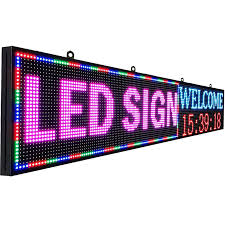
LED taxi displays are electronic screens that use light-emitting diodes (LEDs) to project visual content, including advertisements, alerts, and even real-time traffic information. They are typically installed on the roof of taxis or integrated into the vehicle's body panels. Their compact design, high brightness, and ability to function seamlessly in diverse weather conditions make them ideal for urban environments.
#Technical Parameters of LED Taxi Displays
To understand their industry significance, we must examine some key technical specifications:
1. Resolution: LED taxi screens often support resolutions ranging from 64x32 pixels to 192x48 pixels, depending on their size and intended use. Higher resolution ensures crisp, visually appealing images.
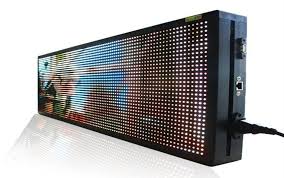
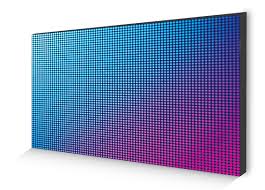
2. Pixel Pitch: Common pixel pitch values include P2.5, P3.0, and P4.0, with smaller numbers indicating finer image detail. P2.5 is particularly favored for taxi displays due to its high clarity.
3. Brightness: LED taxi screens typically feature brightness levels of 4,000 to 5,000 nits, ensuring visibility even under direct sunlight.
4. Longevity: Quality LED screens boast a lifespan of 100,000 hours or more, providing durability and reliability.
5. Control System: Many modern systems incorporate 4G or Wi-Fi connectivity for real-time updates, enabling advertisers and fleet managers to instantly upload new campaigns or informational content.
#Benefits for Outdoor Advertising
##Dynamic Content Delivery
Unlike static billboards, LED taxi displays can be programmed to showcase multiple advertisements in succession. This allows brands to target specific demographics at different times of the day. Imagine a coffee chain promoting morning specials or a restaurant advertising dinner menus later in the evening.
##Greater Urban Reach
Since taxis traverse busy streets, their mounted LED displays reach a wide audience, from pedestrians to commuters. For advertisers, this means increased exposure compared to stationary signage.
##Cost Efficiency
Although the initial investment might seem significant, the ability to manage content remotely and reuse hardware for different campaigns can save advertisers substantial amounts in the long term.
#Enhancing Driver Communication
##Real-Time Updates
LED taxi screens can display real-time information, such as traffic alerts, road closures, or weather updates. This ensures smoother operations and enhances passenger experience.
##Ride-Hailing Integration
Ride-sharing services like Uber and Lyft have begun integrating LED displays into their fleets. These screens can visually confirm ride details for passengers, display driver information, or promote special offers.
##Safety Features
Some advanced LED taxi screens incorporate emergency messaging capabilities. In case of breakdowns or accidents, the display can alert surrounding vehicles or pedestrians, ensuring greater safety.
#Challenges and Future Trends
##Power Consumption
Despite technological advancements, LED displays can be power-intensive. Engineers continue exploring energy-efficient components to address this issue.
##Regulatory Compliance
Each region has rules about brightness levels, acceptable content types, and display placement. Manufacturers and fleet operators must ensure compliance to avoid penalties.
##Future Developments
Miniaturized LEDs and advanced AI-driven content management systems are set to revolutionize how taxi screens operate. For instance, Artificial Intelligence could analyze traffic patterns to determine the best time and location for certain advertisements.
#Industry Applications and Case Studies
##Global Adoption
Countries like the USA, China, and South Korea have shown widespread adoption of LED taxi displays. Notably, in New York City, LED screens are frequently used to broadcast local events, advertisements, and even health-related public service announcements.
##Case Study: Enhancing Brand Visibility
A leading beverage company launched a campaign using LED taxi displays in Beijing, targeting high-traffic intersections during rush hours. Analysis revealed a 20% increase in user engagement via QR codes displayed on the screens.
##Technology Partnerships
Companies specializing in LED manufacturing, such as Shenzhen-based providers, collaborate with software developers to create integrated solutions. These partnerships ensure seamless operation and high-quality video playback.
#Conclusion
LED taxi displays are redefining how we experience urban outdoor advertising and driver-passenger communication. Their blend of cutting-edge technology, durability, and versatility makes them indispensable for smart cities aiming to enhance commercial opportunities and public safety. As the industry evolves, we can expect deeper integrations with AI, IoT, and renewable energy solutions to further boost their impact in urban environments.













