

#Understanding the Core Compon...
#Understanding the Core Components of LED LCD Screens
An LED LCD screen consists of several key components:
1. Backlight Module (BLU): LED chips act as the source of illumination, providing consistent brightness and energy efficiency.
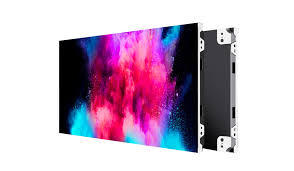
2. Liquid Crystal Layer: This layer manipulates light to create images by controlling the alignment of liquid crystal molecules.
3. Color Filter: Enhances image quality by filtering light into primary colors—red, green, and blue (RGB).
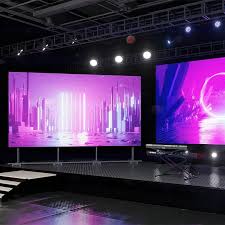
4. TFT Array: The Thin Film Transistor array acts as a switch to control each pixel’s brightness and color.
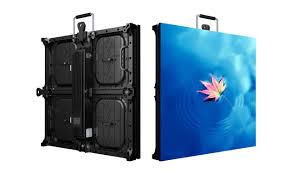
5. Polarizers and Diffusers: Polarizers limit unwanted glare, while diffusers ensure uniform light dispersion.
#The LED LCD Screen Manufacturing Process
The production of LED LCD screens is a complex, multi-step process that requires precision, advanced equipment, and strict quality control measures. Below, we outline the key stages:
##1. Substrate Preparation
Manufacturing begins with preparing glass or plastic substrates. These substrates are treated to ensure they are clean, free of defects, and meet optical standards. Advanced techniques like ion exchange processes are employed for greater durability.
##2. TFT Array Fabrication
This stage involves depositing thin film transistors onto the substrate. Technologies like photolithography and chemical vapor deposition (CVD) are utilized to achieve high levels of integration at the microscopic level.
##3. Liquid Crystal Injection
A precise amount of liquid crystal material is injected between two glass plates. Alignment layers are applied to control the orientation of the liquid crystals for optimal light modulation.
##4. Backlight Integration
The LED chips, which form the backlight module, are assembled with diffusers and reflectors. This step is crucial, as even slight misalignment can result in uneven brightness.
##5. Assembly and Bonding
To create a seamless display, the different layers—the TFT array, liquid crystal cell, polarizers, and color filters—are laminated together using automated bonding machines. Proper alignment is critical to avoid optical distortions.
##6. Calibration and Testing
Each screen undergoes comprehensive testing for parameters such as brightness uniformity, color accuracy, and response time. Automated Optical Inspection (AOI) systems detect microscopic defects, ensuring only flawless screens are approved.
#Critical Technical Parameters in LED LCD Screens
Several technical parameters determine the performance and quality of an LED LCD screen. Here's a closer look at the most important ones:
##1. Pixel Pitch and Resolution
Pixel pitch (measured in millimeters) defines the distance between two adjacent pixels. Smaller pixel pitches result in higher resolutions, delivering sharper images. Standard resolutions range from Full HD (1920x1080) to 4K (3840x2160) and beyond.
##2. Brightness and Contrast Ratio
Brightness is measured in nits (cd/m²) and typically ranges from 300 to over 2000 nits, depending on the display type (e.g., indoor or outdoor). The contrast ratio, defined as the ratio of the brightest white to the darkest black, influences image depth and clarity.
##3. Response Time
The time it takes for a pixel to transition from one state to another is known as response time. Shorter response times (e.g., 1 ms) reduce motion blur, making the display ideal for gaming and fast-moving content.
##4. Color Gamut and Accuracy
A wide color gamut, such as DCI-P3 or Adobe RGB, ensures vibrant and accurate color reproduction. Techniques like quantum dot technology are often used to enhance the spectrum of displayed colors.
##5. Power Consumption
Energy efficiency is a key consideration, especially for large-scale deployments. Innovations like local dimming (adjusting the brightness of specific screen areas) help reduce power usage without compromising image quality.
#Challenges in LED LCD Screen Manufacturing
Despite the technological advancements, manufacturers face numerous challenges:
- Yield Rate: High-precision processes often lead to significant material waste, making yield rate optimization a priority.
- Heat Dissipation: LEDs generate heat, which can affect screen performance and lifespan if not managed effectively. Advanced thermal management materials and designs are necessary.
- Cost Pressures: The demand for affordable screens creates a need for balancing cost-efficiency with performance.
#Industry Standards and Certifications
To ensure quality and safety, manufacturers must adhere to international standards. Some of the most recognized certifications include:
- ISO 13485: Quality management standard for medical-grade displays.
- RoHS Compliance: Ensures the absence of hazardous substances.
- Energy Star: Certifies energy-efficient LED LCD screens.
#Future Trends in LED LCD Technology
Looking ahead, advancements in micro-LED and quantum dot technologies are set to revolutionize the industry. These innovations promise even higher resolutions, better energy efficiency, and expanded color gamuts. Additionally, foldable and transparent displays are becoming increasingly viable, opening up new possibilities for design and application.
#Conclusion
The manufacturing of LED LCD screens is a testament to the intersection of engineering precision, material science, and innovation. By understanding the processes and technical parameters involved, stakeholders can make informed decisions—whether they are designing next-generation displays or looking to source the best products for their needs.
The future of LED LCD technology remains bright, with continuous improvements setting new standards for performance and visual excellence.













