

Understanding LED LCD Screen Manufacturing: A Technical Guide for Engineers
LED LCD screens have become a cornerstone in modern display technology, utilized in televisions, smartphones, laptops, and even outdoor signage. This article offers a comprehensive look into the manufacturing processes, technical parameters, and considerations involved in producing high-quality LED LCD screens, drawing from years of industry experience and authoritative standards.
#The Fundamentals of LED LCD Technology
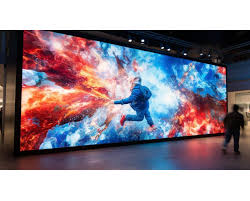
Before delving into manufacturing, it is important to understand the basic structure of LED LCD screens. These screens are composed of two key technologies:
1. LED Backlighting: Light-emitting diodes (LEDs) serve as the backlight for the screen, providing vibrant illumination to the liquid crystal display.
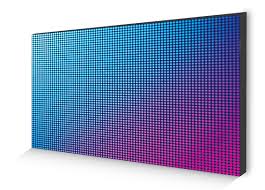
2. Liquid Crystal Display (LCD): The LCD consists of a matrix of liquid crystals that modulate light to form images. These crystals are sandwiched between two polarizing filters and are controlled by thin-film transistors (TFT).
The synergy of LED backlighting and LCD panels results in high brightness, color accuracy, and energy efficiency.
#Key Steps in LED LCD Screen Manufacturing
The production of LED LCD screens involves several critical stages:
1. Component Sourcing:
- LED Chips: The quality of LED chips, including their wavelength consistency and brightness output, directly impacts the screen’s performance.
- Glass Substrate: The purity and thickness of the glass substrate ensure proper light transmission and durability.
- Polarizer Films: These films are carefully aligned to regulate light and improve image clarity.
2. Cleanroom Assembly:
Manufacturing takes place in cleanroom environments to prevent contamination. Dust or particles can compromise the uniformity of the screen, leading to blemishes or reduced performance.
3. TFT Array Fabrication:
Thin-film transistors are patterned onto the glass substrate using photolithography. This process involves:
- Deposition of thin layers of silicon.
- Etching using UV light and mask aligners.
- Doping of materials to enhance conductivity.
4. Liquid Crystal Injection:
Liquid crystals are carefully injected between the two glass substrates. This stage is precision-driven, as uneven distribution can lead to screen defects.
5. LED Backlight Assembly:
LED arrays are mounted behind the LCD panel. Uniform placement ensures consistent illumination. Edge-lit and direct-lit configurations are commonly used, each with its performance benefits.
6. Color Calibration:
Screens undergo rigorous testing to calibrate colors and brightness. Advanced tools like spectroradiometers ensure that each pixel meets industry standards for color accuracy.
#Technical Parameters to Consider
For engineers and manufacturers, understanding the technical parameters of LED LCD screens is crucial. Key specifications include:
- Resolution: Typically measured in pixels, e.g., Full HD (1920x1080), 4K (3840x2160), or 8K (7680x4320). Higher resolutions require more advanced TFT arrays.
- Brightness: Measured in nits, with typical values ranging from 250 nits for indoor displays to over 2000 nits for outdoor signage.
- Contrast Ratio: Indicates the difference between the darkest black and brightest white; dynamic contrast ratios enhance this range in modern screens.
- Refresh Rate: Measured in Hertz (Hz), typical values are 60Hz, 120Hz, or 240Hz. Higher rates reduce motion blur.
- Power Consumption: Energy efficiency is a critical metric, especially for portable devices.
#Challenges in Manufacturing
Despite advancements, challenges persist:
1. Material Defects: Impurities in raw materials can impact screen quality.
2. Uniformity Issues: Ensuring consistent light distribution across the screen remains a technical hurdle.
3. Cost Management: Balancing high-quality components with cost-effective solutions is essential for competitive pricing.
#Case Study: Improving Contrast Ratio in LED LCD Screens
A prominent electronics manufacturer faced challenges with low contrast ratios in their screens. By employing a localized dimming technique via direct-lit LED configurations, they achieved significant improvements. This involved replacing edge-lit LEDs with a higher number of direct-lit LEDs controlled in zones. Tests showed an improvement of over 200% in contrast performance.
#Future Developments in LED LCD Technology
Emerging trends include mini-LED and micro-LED technologies, which offer even finer control of brightness and contrast. These advancements aim to close the gap between LED LCD and OLED technologies, providing users with better viewing experiences.
#Conclusion
LED LCD screen manufacturing is a highly sophisticated process, combining advanced materials science, precision engineering, and stringent quality control measures. By understanding technical parameters, sourcing high-quality components, and adhering to industry standards, manufacturers can produce displays that meet the growing demands of consumers worldwide.













