

The Evolution and Applications of Small Pixel Pitch LED Displays
Small Pixel Pitch (SPP) LED displays represent a groundbreaking advancement in LED display technology. These displays—characterized by their ultra-narrow pixel pitch, typically less than 2.5mm—are setting new standards for high-definition visuals, immersive experiences, and versatile applications across industries. This article explores the engineering behind small pixel pitch LED displays, their technical parameters, and their real-world applications, offering insights into why they are becoming indispensable in today’s digital age.
#Understanding Small Pixel Pitch LED Displays
Pixel pitch refers to the center-to-center distance between adjacent pixels on an LED display. A smaller pixel pitch ensures a higher pixel density, resulting in sharper, clearer, and more detailed images. This feature is particularly vital for applications that require close viewing distances, as the high pixel density minimizes the "screen door effect," where pixel edges become visible to the naked eye.
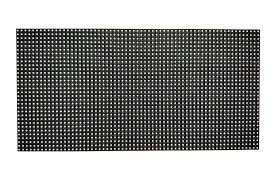
For example, a 1.2mm pixel pitch screen has nearly twice the pixel density of a 2.5mm screen, making it more suitable for up-close viewing without compromising image quality. Small pixel pitch LED displays achieve superior resolution while maintaining seamless modularity, a hallmark of LED panel technology.
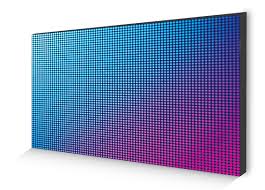
#Core Technical Parameters of SPP LEDs
When evaluating small pixel pitch LED displays, it’s critical to consider several technical parameters:
1. Pixel Pitch (P1.2, P1.5, P2.0, etc.): The smaller the pitch, the higher the pixel density and resolution.
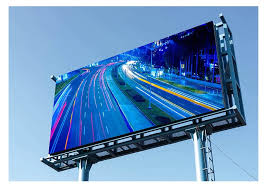
2. Resolution: Dependent on pixel pitch and screen size; a larger screen with a small pixel pitch delivers ultra-HD resolutions, such as 4K or 8K.
3. Brightness Levels: Often ranging from 600 to 1,200 nits, ensuring visibility in diverse lighting conditions.
4. Refresh Rate: Typically above 3,840Hz for flicker-free performance, even under high-speed cameras.
5. Viewing Angle: Wide angles (≥160°) ensure consistent image quality across a broader viewing area.
6. Contrast Ratio: High contrast ratios (≥5,000:1) enhance depth and detail, particularly in darker scenes.
7. Color Accuracy: Advanced calibration ensures that colors remain consistent across the display’s entire area, critical for branding and broadcasting applications.
#Key Manufacturing Insights
Producing small pixel pitch LED displays involves meticulous design, advanced materials, and cutting-edge technology. Below are some pivotal manufacturing processes:
1. Surface-Mount Technology (SMT): Precision placement of LEDs on circuit boards ensures uniformity, which is critical in small pixel pitch production.
2. Fine-Pitch LED Packaging: Advanced COB (Chip-on-Board) or Mini-LED packaging technologies enhance reliability and reduce pixel failure rates.
3. Thermal Management: Efficient heat dissipation systems are implemented to maintain consistent performance and prolong the lifespan of the LEDs.
4. Calibration & Testing: Rigorous quality control measures ensure perfect color uniformity, brightness consistency, and pixel alignment.
#Applications of Small Pixel Pitch LED Displays
Because of their superior resolution and immersive viewing experience, small pixel pitch LED displays are widely used in the following sectors:
1. Control Rooms & Command Centers: Reliable displays with high resolution are crucial for mission-critical operations, such as traffic management, security surveillance, or emergency response.
2. Broadcast Studios: Flicker-free displays with accurate color reproduction are ideal for live broadcasting and post-production work.
3. Corporate Environments: From corporate lobbies to boardrooms, SPP LED displays provide an impressive way to showcase branding, presentations, and live data.
4. Retail & Advertising: High-definition visuals attract and engage customers, making them a popular choice for high-end retail stores and digital billboards.
5. Entertainment & Virtual Productions: LED walls powered by small pixel pitch technology are increasingly used in virtual sets, enhancing realism while reducing post-production costs.
#Advantages Over Traditional Display Technologies
Small pixel pitch LED displays offer numerous benefits over traditional technologies like LCDs, DLPs, or projection systems:
- Seamless Viewing Experience: No bezels or seams, unlike LCD video walls.
- Long Lifespan: Durability often surpasses other display types, with lifespans of 100,000+ hours.
- Enhanced Energy Efficiency: Lower power consumption despite high brightness.
- Scalability: Modular design enables customization to fit varying sizes and shapes.
#Challenges and Future Trends
While SPP LED displays are highly versatile, they come with challenges such as higher manufacturing costs and the need for advanced assembly techniques. However, the advent of Micro-LED technology and advancements in AI-based calibration systems are expected to address these issues, making these displays more affordable and accessible.
The future of SPP LED displays will also see more integration with IoT and AI technologies, enabling features like real-time analytics, touch interactivity, and automated adjustments based on ambient lighting conditions.
#Conclusion
Small pixel pitch LED displays are revolutionizing visual communication across a range of industries. Their superior image quality, scalability, and reliability make them a go-to solution for applications demanding high-definition, immersive experiences. As manufacturing processes continue to evolve and costs decrease, SPP LED displays are poised to become the display technology of choice for an even broader array of uses.













