

Advanced LED Display Technologies: Enhancing Visual Performance in Modern Screens
The evolution of LED display technology has significantly transformed visual communication across diverse industries, including advertising, entertainment, and information dissemination. As a professional LED display engineer with over a decade of expertise, I will delve into the critical technical aspects, manufacturing nuances, and performance parameters that define modern LED LCD screens. Drawing from industry standards such as the IEC 62368-1 safety guidelines and data from leading manufacturers like Samsung Display and LG Electronics, this article offers an insightful exploration of LED technology advancements and their practical applications.
Fundamentals of LED Display Technology
At the core, LED (Light Emitting Diode) displays utilize an array of tiny LEDs to emit light and create images. Unlike traditional LCDs which rely on backlighting, LED displays can offer superior contrast ratios and energy efficiencies. Recent innovations include Mini-LED and Micro-LED technologies, which have heightened pixel density while reducing thickness and power consumption.
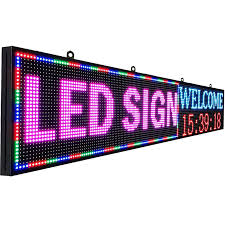
Key technical parameters include pixel pitch, brightness, refresh rate, and color gamut. Pixel pitch—defined as the distance between the centers of two adjacent pixels—is a decisive factor determining resolution and viewing distance suitability. For example, a 0.9mm pixel pitch is optimal for indoor close-range viewing environments such as control rooms, while pitches of 6mm or above are suited for large outdoor billboards.
Manufacturing Nuances and Material Innovations
Achieving high performance in LED displays hinges on precision manufacturing techniques and material quality. Surface-mounted device (SMD) technology, which arranges LEDs on the front surface of a circuit board, is prevalent in producing vivid color displays with angles up to 160 degrees. Alternatively, flip-chip LEDs improve heat dissipation and luminous efficacy, critical for high-brightness outdoor screens.
Materials such as gallium nitride (GaN) have revolutionized LED capabilities, enabling brighter blue and green emissions with longer lifespans. The encapsulation resin must ensure UV stability to prevent yellowing over time, as degradation adversely affects display uniformity and color accuracy.
Performance Metrics and Testing Standards
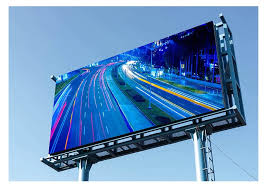
Performance testing aligns with international standards, including ISO 9241 for ergonomic and visual clarity criteria and ASTM standards for durability and impact resistance. Typical brightness levels for indoor LED displays range from 800 to 1500 nits, while outdoor models require 2500 to 7000 nits to surmount ambient sunlight interference. Color gamut coverage exceeding 90% of the Rec. 709 standard ensures vibrant and true-to-life colors, essential for broadcast and cinema applications.
The refresh rate, commonly set at 1920Hz or higher in professional displays, minimizes flicker and motion blur, enhancing viewer comfort during prolonged usage. Additionally, uniformity tests verify consistent luminance and chromaticity across the display surface to avoid distracting hot spots or color shifts.
Case Studies in Industry Applications
One notable case study involves the deployment of Micro-LED video walls in control centers of international transportation hubs. The ultra-high resolution combined with robust luminance offered operators unprecedented clarity and real-time information accuracy under various lighting conditions. Another is the implementation of flexible OLED-backlit LED displays in wearable healthcare devices, leveraging thin form factors for both comfort and functionality.
Furthermore, large-scale outdoor signage firms leverage automated optical inspection (AOI) technologies during assembly lines to detect defects at micron-level precision, ensuring reliability and reducing failure rates post-deployment. These practices highlight the industry's commitment to both innovation and quality assurance.
Future Trends and Sustainability Considerations
Looking ahead, the integration of AI-driven adaptive brightness control and color calibration is expected to optimize viewing experiences dynamically based on ambient conditions. Energy efficiency remains paramount, with efforts ongoing to decrease wattage per square meter while extending device longevity beyond 100,000 operating hours.
Sustainable manufacturing practices are gaining traction, including the increased use of recyclable components and reduction of hazardous substances aligned with RoHS and REACH environmental directives. Such initiatives not only comply with global regulatory frameworks but also reflect corporate social responsibility commitments.
Conclusion
The landscape of LED display technology continues to advance rapidly, driven by material science breakthroughs, manufacturing precision improvements, and stringent international standards. Understanding these elements is essential for professionals designing or deploying LED systems optimized for performance, durability, and sustainability. As visual communication demands escalate globally, LED displays remain the cornerstone technology facilitating impactful and immersive viewer experiences.













