

#Understanding LED LCD Technol...
#Understanding LED LCD Technology
What is an LED LCD Screen?
An LED LCD screen combines two core technologies: a liquid crystal display (LCD) and a light-emitting diode (LED) backlight. The LCD panel itself controls how light is transmitted through its pixels by using liquid crystals, while the LED backlight provides illumination. This combination offers high brightness, vivid colors, and energy efficiency, making LED LCD screens an integral part of televisions, smartphones, digital billboards, and industrial displays.
Advantages of LED Backlighting Over CCFL
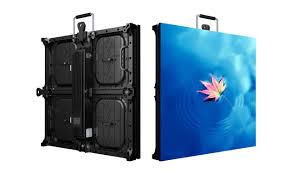
Previously, cold cathode fluorescent lamps (CCFLs) were commonly used as backlighting. However, LEDs are now the preferred choice because of their:
- Energy Efficiency: LEDs consume significantly less power.
- Durability: LEDs have a longer lifespan, often exceeding 50,000 hours.
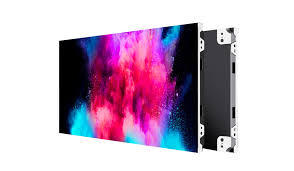
- Brightness & Uniformity: LEDs offer higher brightness and better uniformity across the screen.
- Environmentally Friendly Composition: LEDs are mercury-free, unlike CCFLs.
#Key Components of an LED LCD Screen
1. LCD Panel:
The LCD panel is the core of the display, where individual pixels (comprising red, green, and blue sub-pixels) form the image. High-end panels use technologies like IPS (In-Plane Switching) for better viewing angles or VA (Vertical Alignment) for higher contrast.
2. LED Backlight:
Comprising an array of LEDs, the backlight determines the screen's brightness, color gamut, and power consumption. Modern displays often use edge-lit LEDs or full-array LED backlights for more precise dimming (local dimming).
3. Driver ICs and Controllers:
The integrated circuits (ICs) control pixel activation, refresh rates, and color accuracy. High-performance ICs ensure the screen supports features like HDR (High Dynamic Range) and high refresh rates (e.g., 120Hz or 240Hz).
4. TFT Glass Substrate:
Thin-film transistor (TFT) technology allows for precise control of each pixel, minimizing light leakage and improving response times.
5. Diffuser and Optical Sheets:
These layers distribute light evenly across the screen, ensuring uniform brightness and preventing hotspots.
6. Bezel and Enclosure:
The frame and housing protect internal components and contribute to the aesthetic design.
#Manufacturing Process of LED LCD Screens
##1. Material Selection and Preparation
The manufacturing process begins with the procurement of high-quality materials. Glass substrates, polarizers, and LED chips must meet stringent quality standards to ensure consistency.
##2. LCD Panel Fabrication
- Photolithography: This process involves layering thin films of semiconductor materials to create the pixel grid.
- Color Filter Creation: A precise deposition of red, green, and blue color filters is applied to align with the pixel array.
- Liquid Crystal Injection: Liquid crystals are inserted between two layers of glass substrates.
##3. LED Backlight Assembly
The LED chips are affixed to a heat-dissipating panel and arranged either along the edges of the screen (edge-lit) or uniformly across the back (direct-lit). Diffuser films and optical layers are added to maximize brightness uniformity.
##4. Module Assembly
The LCD panel and LED backlight are combined with driver ICs, polarizers, and protective layers. The complete module is then tested for defects like dead pixels or uneven lighting.
##5. Testing and Calibration
Comprehensive tests are performed to ensure compliance with industry standards. Parameters such as color accuracy (measured in Delta E), brightness levels (specified in nits), and refresh rates are calibrated.
#Key Technical Parameters to Consider
When evaluating LED LCD screens, understanding key technical parameters is crucial:
- Resolution: Full HD (1920x1080), 4K (3840x2160), and increasingly 8K (7680x4320) are common resolutions, with higher resolutions offering better clarity.
- Brightness: Measured in nits, most indoor displays range from 300-700 nits, while outdoor LED LCDs may exceed 2000 nits for visibility in sunlight.
- Contrast Ratio: A higher ratio (e.g., 5000:1) ensures deeper blacks and better color depth.
- Color Gamut: Compliance with standards like sRGB, DCI-P3, or Rec. 2020 ensures vibrant and accurate color reproduction.
- Refresh Rate: Higher refresh rates (120Hz or more) are essential for smooth motion in gaming and high-speed video playback.
#Global Standards and Certifications
To ensure safety, performance, and environmental compliance, LED LCD screens must adhere to various standards:
- ISO 9241-307: Ergonomic requirements for electronic visual displays.
- RoHS (Restriction of Hazardous Substances): Ensures materials are free from hazardous substances like lead and mercury.
- Energy Star Certification: Verifies the screen's energy efficiency.
- FCC and CE Compliance: Certifies electromagnetic compatibility (EMC) for global markets.
#Industry Trends and Innovations
Mini-LED and Micro-LED Technology
Recent advancements have introduced mini-LED and micro-LED backlighting, delivering higher brightness, better contrast ratios, and thinner profiles. For example, mini-LED displays are now widely adopted in premium laptops and televisions, offering near-OLED performance.
Flexible and Transparent Displays
Manufacturers are also innovating with flexible OLED and transparent LCD technologies, pushing the boundaries of applications in automotive displays, retail signage, and architecture.
Sustainability Focus
As environmental concerns grow, the industry is moving towards recyclable materials, reducing manufacturing waste, and adopting energy-efficient production technologies.
#Conclusion
The meticulous engineering and manufacturing that drive LED LCD displays are a testament to the fusion of science and art. From selecting the finest materials to implementing cutting-edge technologies, every step ensures high performance, durability, and efficiency. As global demand for smarter, brighter, and more sustainable screens grows, the future of LED LCD technology promises even greater innovations.
For businesses looking to stay competitive, investing in high-quality displays that comply with global standards will ensure long-term value and customer satisfaction.













