

Insights into LED LCD Screen Manufacturing: Materials, Processes, and Future Trends
LED LCD screens play a pivotal role in various industries, from consumer electronics to professional-grade displays for commercial and industrial use. As an LED display engineer, understanding the nuanced manufacturing process, technical specifications, and emerging trends in this domain is critical. This article delves deep into the expertise required to design and manufacture LED LCD screens to meet the continually evolving market demands.
#Core Components of LED LCD Screens
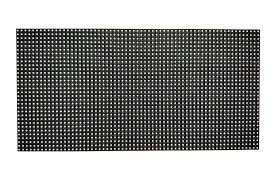
LED LCD screens combine Liquid Crystal Display (LCD) panels with LED backlighting systems. The primary components include:
1. LCD Panel: The thin-film transistor (TFT) LCD matrix forms the backbone of image generation. It consists of millions of pixels organized into RGB subpixels.
2. LED Backlighting: These provide the illumination necessary for the LCD to display visuals. Common configurations include edge-lit LEDs and direct-lit LEDs.
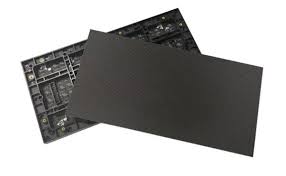
3. Driver Electronics: This control circuitry governs the transmission of signals from the source to individual pixels, ensuring accurate reproduction of color and brightness.
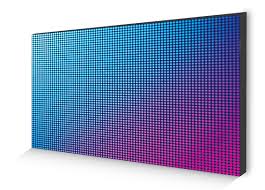
4. Protective Layers: Anti-glare coatings, touch-sensitive films, and protective glass layers enhance durability and user experience.
#Manufacturing Process
The manufacturing of LED LCD screens involves precision engineering and strict adherence to quality standards. Here are the key stages:
1. Material Selection:
- Glass Substrate: High-purity, ultra-thin glass is used for supporting the LCD matrix.
- Polarizers: These are critical for controlling light transmission and ensuring image clarity.
- LED Diodes: Selecting high-efficiency LEDs is vital for brightness and energy savings.
2. Assembly of LCD Matrix:
- Deposition processes like sputtering or chemical vapor deposition (CVD) are used to apply the thin-film transistors and electrodes.
- Liquid crystals are injected between the glass layers, ensuring uniform distribution.
3. Integration of Backlighting:
- Edge-lit designs place LEDs along the screen's perimeter, while direct-lit designs distribute LEDs across the panel.
- Diffusers and reflectors are added to ensure uniform light spread.
4. Calibration and Testing:
- Color calibration ensures accurate RGB color gamut coverage, often adhering to standards like sRGB, Adobe RGB, or DCI-P3.
- Brightness is measured in nits, with high-end displays achieving 1,000 nits or more for HDR content.
- Comprehensive testing for refresh rates, response times, and viewing angles ensures performance benchmarks are met.
#Technical Parameters to Consider
When assessing LED LCD screens, several key parameters define their quality and suitability:
1. Resolution: Ranges from Full HD (1920x1080) to 8K UHD (7680x4320), depending on application needs.
2. Refresh Rate: High-refresh-rate screens (120Hz or above) are preferred for gaming and professional displays.
3. Contrast Ratio: A higher contrast ratio ensures deeper blacks and vivid colors.
4. Viewing Angle: IPS technology is dominant in LCDs for wide-angle viewing.
5. Energy Efficiency: Measured in watts per square meter, optimizing LED placement and power supply is essential for reducing energy consumption.
#Challenges in Manufacturing
Despite advancements, manufacturing LED LCD screens comes with specific challenges:
- Defect Control: Pixel defects and uniformity issues demand rigorous quality control at microscopic levels.
- Thermal Management: High brightness levels can lead to heat generation, necessitating advanced cooling mechanisms.
- Sustainability: The industry is increasingly focused on reducing toxic materials and moving toward recyclable components.
#Emerging Trends
The LED LCD industry is evolving rapidly. Here's what the future holds:
1. Mini-LED and Micro-LED: These technologies offer enhanced brightness and contrast, bridging the gap between LCDs and OLEDs.
2. Flexible Displays: Innovations in substrates and LCD technology are enabling foldable and rollable screens.
3. Smart Integration: IoT-connected displays are increasingly used in signage and smart home applications.
4. Eco-Friendly Manufacturing: Companies are investing in sustainable practices, such as energy-efficient LED production and recyclable LCD panels.
#Industry Standards and Certifications
Adhering to technical and safety standards is critical. Common certifications include:
- ISO/IEC 19752: Ensures high-quality printing for LCDs with integrated printers.
- TCO Certification: Focuses on sustainability and ergonomics in displays.
- Energy Star Compliance: Certifies energy-efficient operation.
#Final Thoughts
As technology advances, LED LCD screens continue to dominate the display industry due to their reliability, affordability, and versatility. Engineers and manufacturers must invest in cutting-edge research, sustainable practices, and robust testing protocols to stay ahead of the curve. Whether you're an industry veteran or a newcomer, understanding these details is essential for developing world-class LED LCD displays.













