

The Comprehensive Guide to LED LCD Display Manufacturing: Insights and Best Practices
``plaintext
The global demand for LED LCD displays has seen a tremendous rise in recent years, driven by their applications in consumer electronics, digital signage, automotive displays, and more. As a professional LED display engineer, this guide delves into the technical and manufacturing nuances of LED LCD screens, offering insights based on industry standards, case studies, and years of field experience.
Introduction
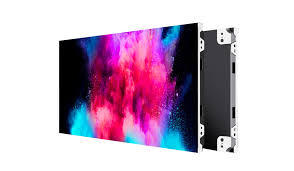
LED LCD technology combines the benefits of liquid crystal displays (LCDs) with the efficiency and brightness of light-emitting diodes (LEDs) for backlighting. These displays are characterized by their exceptional image quality, energy efficiency, and adaptability to various applications. However, achieving high-quality production involves meticulous processes, stringent quality control, and an in-depth understanding of the technology.
This guide aims to provide a clear overview of the manufacturing stages, critical parameters, and best practices to ensure optimal performance and reliability in LED LCD displays.
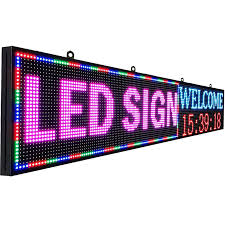
Main Body
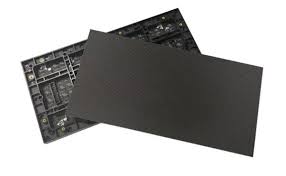
1. The Core Components of an LED LCD Display
An LED LCD display comprises several key components, each of which plays a pivotal role in its overall performance:
- Liquid Crystal Module (LCM): The LCM contains the liquid crystal layer responsible for forming images. Twisted nematic (TN), in-plane switching (IPS), and vertical alignment (VA) are the most common types of liquid crystal technologies used.
- LED Backlight Unit (BLU): LED diodes provide the necessary illumination for the LCD. Backlighting can be edge-lit for slim designs or direct-lit for higher brightness and better uniformity.
- Polarizers: Polarizers are essential for controlling light orientation; they improve contrast and enable the display to render clear images.
- Driver IC (Integrated Circuit): Driver ICs manage the transmission of electrical signals to the LCM for pixel-by-pixel rendering.
- Printed Circuit Board (PCB): The PCB connects various display components and ensures proper signal transmission.
2. Manufacturing Process of LED LCD Displays
The creation of a high-quality LED LCD display involves multiple stages, each demanding precision and technical expertise:
- Substrate Preparation: High-purity glass substrates are prepared using chemical etching and polishing processes. This is the foundation upon which the LCM is built.
- Color Filter Coating: A thin color filter is applied to the substrate to enable accurate color reproduction. Each pixel is divided into red, green, and blue subpixels for RGB combination.
- Liquid Crystal Injection: The liquid crystal material is carefully injected between two aligned substrates. Maintaining consistent alignment is critical to avoid mura (non-uniform brightness).
- Backlight System Integration: Once the LCM is complete, it is paired with the LED backlight unit. The positioning of the light guides and diffusers ensures uniform brightness.
- Driver Circuit Assembly: The driver IC is mounted onto the PCB and connected to the LCM. Flexible flat cables (FFCs) are often used to reduce wiring complexity.
- Testing and Quality Control: Every module undergoes rigorous testing for electrical functionality, backlight uniformity, color accuracy, and durability. Advanced tools like luminance meters and spectrophotometers are used at this stage.
3. Critical Manufacturing Parameters
Optimizing key parameters during production is essential to achieving superior display quality:
- Brightness & Contrast Ratio: The brightness (measured in nits) and contrast ratio directly impact the viewing experience. Modern LED LCD screens aim for a contrast ratio of 1000:1 or higher.
- Viewing Angle: IPS panels offer a viewing angle of up to 178°, which is ideal for TVs and monitors.
- Response Time: Fast response times (measured in milliseconds) ensure smoother transitions for moving images, reducing motion blur.
- Color Gamut and Accuracy: Producing displays with a wide color gamut (e.g., DCI-P3 or Adobe RGB) ensures vibrant, lifelike colors.
- Power Consumption: Energy efficiency is a critical consideration, especially for large-scale displays in commercial environments.
4. Case Study: Enhancing Display Durability for Outdoor LED LCDs
An international signage manufacturer faced challenges with their outdoor LED LCD displays, as harsh environmental conditions were degrading performance. Implementing weatherproof sealing, anti-glare glass, and high-brightness LEDs (≥1000 nits) improved reliability significantly. This underscores the importance of custom solutions in specific use cases.
Conclusion
LED LCD displays are marvels of modern engineering, offering a perfect balance of performance, efficiency, and versatility. However, producing these displays requires not only sophisticated machinery but also an intimate understanding of the technology's intricacies. By adhering to best practices in component selection, manufacturing processes, and quality control, manufacturers can consistently deliver high-performance displays that meet the demands of today's competitive market.
As the technology continues to evolve, emerging trends like micro-LED integration and quantum dot enhancements are set to redefine the LED LCD landscape. For manufacturers, staying informed about these advancements will be key to maintaining a competitive edge.
``













