

Key Factors in LED LCD Screen Manufacturing: An Expert Guide
The LED LCD screen industry has undergone significant advancements over the last few decades, driven by technological innovation and growing demand for high-quality displays. As a professional engineer with years of experience in this domain, I will walk you through the key factors, technical intricacies, and best practices in the manufacturing of LED LCD screens to provide you with a comprehensive understanding of this field.
1. Understanding the Basics of LED LCD Technology
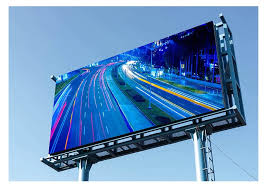
LED-backlit LCD screens are widely used in applications such as televisions, computer monitors, digital signage, and industrial displays. These screens combine an LCD (Liquid Crystal Display) panel with an LED (Light Emitting Diode) backlighting system. Unlike traditional CCFL (cold cathode fluorescent lamp) backlighting, LED technology offers better brightness, energy efficiency, contrast, and longevity.
The LCD panel itself works by using liquid crystals to modulate light passing through them, while the LED backlighting provides the illumination required for the display to be visible. The accurate combination of these components determines the performance of the final screen.
2. Key Components in Manufacturing
The manufacturing process of LED LCD screens revolves around several key components:
- LCD Panel: The central structure where color filters and liquid crystals manage the formation of images. The quality of the LCD panel directly affects resolution, viewing angles, and color accuracy.
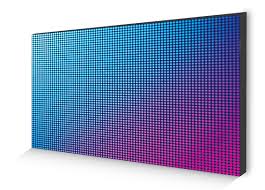
- LED Backlight Unit (BLU): The LED array is responsible for lighting the display. It can be edge-lit or direct-lit based on design requirements. Direct-lit LEDs often offer better uniformity and superior brightness but require additional space compared to edge-lit designs.
- Driver Chips: These electronic components control the pixels on the screen. High-quality driver chips ensure smooth image rendering without flickering or lag.
- Polarizers: Polarizing films are applied on both sides of the LCD panel to enable light modulation. Their alignment and quality impact the screen’s contrast ratio and display clarity.
- Diffuser and Prism Sheets: These layers help evenly distribute and enhance the light from the LED backlight, ensuring consistent brightness across the screen.
3. Manufacturing Process Overview
The manufacturing of LED LCD screens is a meticulous, multi-step process. Below is a breakdown of the primary steps:
- Design and Prototyping: The first stage is developing the design based on the desired screen size, resolution, brightness, and other specifications. Advanced CAD tools are used for this purpose.
- Panel Assembly: The LCD panel is created through processes involving TFT (thin-film transistor) deposition, application of color filters, and bonding of polarizers. TFT technology is crucial for high-resolution displays.
- Integration of Backlighting Unit: The LED backlighting unit is assembled and attached to the LCD panel. Ensuring precise alignment is critical to prevent light leaks or uneven brightness.
- Electrical Integration: Driver chips, PCBs (printed circuit boards), and other electronic components are mounted and tested for functionality. Proper shielding techniques are applied to reduce electromagnetic interference.
- Calibration and Testing: The screen undergoes rigorous testing for parameters such as brightness, color uniformity, power consumption, and response time. Factory calibration ensures color accuracy and optimal performance.
- Packaging and Quality Assurance: Final inspections are conducted before packaging. Anti-static materials and cushioning are used to ensure safe transport of the screens.
4. Technical Parameters to Consider
When evaluating or designing LED LCD screens, several technical parameters are critical for determining quality and performance:
- Resolution: Measured in pixels, resolution defines the level of detail a screen can display. Common resolutions include Full HD (1920x1080), 4K UHD (3840x2160), and 8K UHD (7680x4320).
- Brightness (Nits): Typically measured in cd/m², brightness affects visibility under different lighting conditions. Commercial displays often require 700–2500 nits or higher.
- Contrast Ratio: The difference between the darkest black and the brightest white. A higher contrast ratio ensures richer and more dynamic visuals.
- Response Time: Measured in milliseconds (ms), response time refers to how quickly a pixel can change from one color to another. Lower response times are crucial for reducing motion blur in gaming or high-speed video.
- Viewing Angles: Measured in degrees, wider viewing angles ensure the screen remains clear and vibrant from different perspectives. IPS panels generally offer superior viewing angles compared to TN panels.
5. Challenges in LED LCD Screen Manufacturing
Manufacturing LED LCD screens comes with several challenges, such as:
- Yield Rate Management: Even minor defects in glass substrates or TFT structures can lead to panel rejection. Achieving high yield rates is essential for cost efficiency.
- Color Uniformity: Maintaining consistent color reproduction across millions of pixels requires precise calibration and high-quality materials.
- Heat Management: LEDs generate heat during operation. Proper thermal management solutions, such as heatsinks or advanced PCB designs, are necessary to ensure product longevity.
- Material Sourcing: Securing a reliable supply chain for rare materials such as indium (used in ITO layers) is critical in preventing production delays.
6. Industry Standards and Trends
Adherence to industry standards ensures that manufactured displays meet global quality and safety benchmarks. Standards such as ISO 9001 (quality management), RoHS (hazardous substance restriction), and Energy Star (energy efficiency) play a pivotal role in modern screen manufacturing.
Recent trends in the industry include the adoption of mini-LED and micro-LED technologies, which offer enhanced brightness and efficiency. Additionally, flexible and transparent displays are gaining popularity, paving the way for innovative applications in retail, automotive, and wearable tech.
Conclusion
The manufacturing of LED LCD screens is a highly specialized field requiring expertise in materials science, engineering, and precision assembly. By understanding the core components, technical parameters, and challenges, manufacturers can deliver high-quality products that meet the demands of various industries. Through continuous innovation and adherence to global standards, the industry is poised to shape the future of display technology.













