

The Rise of Frameless Monitors: Revolutionizing Display Technology
Frameless monitors, also known as bezel-less or borderless monitors, have become a significant trend in the display industry. These cutting-edge devices seamlessly integrate aesthetics and functionality, catering to both professional and personal use. As demand grows for sleek and modern designs, the frameless monitor has emerged as a top choice for users seeking enhanced visual experiences and improved productivity.
#What Defines a Frameless Monitor?
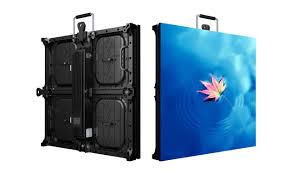
A frameless monitor minimizes the bezel—the outer plastic or metal frame surrounding the screen. While no monitor is entirely bezel-free due to structural constraints, frameless designs reduce the bezel to its slimmest possible dimensions, often measuring just a few millimeters. This results in a nearly edge-to-edge display that enhances visual immersion and maximizes screen real estate.
#Key Advantages of Frameless Monitors
Frameless monitors are not only aesthetically pleasing but also offer several practical benefits:
1. Immersive Viewing Experience
The minimal bezels create a seamless visual experience, making these monitors ideal for gaming, video editing, and multimedia consumption. With an almost uninterrupted screen, users can enjoy ultra-wide viewing angles, vivid colors, and more engaging visuals.
2. Ideal for Multi-Monitor Setups
Frameless monitors are particularly advantageous in multi-screen configurations. The slim bezels reduce the gap between displays, allowing smoother transitions between screens. This is crucial for professionals working in fields like graphic design, stock trading, and software development.
3. Modern Aesthetics
The sleek design complements contemporary desk setups, making frameless monitors a popular choice for minimalistic workspaces. These monitors align well with modern interior design trends, appealing to both individual users and corporate environments.
4. Enhanced Portability
The lighter and thinner construction of frameless monitors makes them more portable than traditional monitors. This feature caters to professionals who require mobile setups or attend frequent client meetings.
#Technical Specifications to Consider
When choosing a frameless monitor, it’s essential to evaluate key technical parameters:
- Resolution: Frameless monitors are available in a range of resolutions, from Full HD (1920x1080) to 4K Ultra HD (3840x2160). Higher resolution ensures sharper images and better detail.
- Panel Type: Common options include IPS (In-Plane Switching), VA (Vertical Alignment), and TN (Twisted Nematic) panels. IPS panels offer superior color accuracy and viewing angles, making them a preferred choice for most users.
- Refresh Rate: For gamers and video editors, a higher refresh rate, such as 144Hz or 240Hz, ensures smoother motion and reduced screen tearing.
- Connectivity: Look for multiple ports, such as HDMI, DisplayPort, and USB-C, for versatility in connecting devices. USB-C is especially valuable for its ability to transmit data, video, and power over a single cable.
- Color Gamut: Professional users should prioritize monitors with wider color gamuts (e.g., sRGB, DCI-P3) for accurate color representation.
#Emerging Trends in Frameless Monitors
Advancements in display technology have expanded the potential of frameless monitors:
- OLED Panels: OLED technologies are being integrated into frameless monitors, offering superior contrast ratios, deeper blacks, and higher energy efficiency compared to traditional LCD panels.
- Curved Frameless Displays: Curved monitors enhance immersion by aligning with the natural curvature of the human eye. This is particularly beneficial for gaming and widescreen applications.
- Sustainability: Manufacturers are increasingly adopting eco-friendly practices, such as energy-efficient components and recyclable materials, in the production of frameless monitors.
#Top Use Cases for Frameless Monitors
1. Gaming: Frameless monitors with high resolution, fast refresh rates, and adaptive sync technologies like NVIDIA G-Sync or AMD FreeSync provide gamers with competitive advantages.
2. Video Production: Professionals in video editing benefit from frameless monitors with accurate color reproduction and 4K resolution.
3. Office Work: Aesthetic appeal combined with practical features like reduced eye strain (via blue light filters) makes frameless monitors a perfect solution for corporate environments.
4. Home Entertainment: Frameless monitors are an excellent choice for personal use, such as streaming movies or creating a stylish home office setup.
#Choosing the Right Frameless Monitor
When shopping for a frameless monitor, consider your specific needs and preferences. For casual use, Full HD monitors with a 60Hz refresh rate may suffice. For professionals, investing in a 4K IPS monitor with wider color gamut and multiple connectivity options is recommended. Gamers should prioritize ultrawide monitors with high refresh rates, fast response times, and adaptive sync technology.
#Conclusion
The frameless monitor represents a perfect blend of form and function, delivering an exceptional user experience while keeping pace with modern design trends. As this technology continues to evolve, it is well-positioned to transform how we interact with digital content, whether for work, play, or entertainment. With numerous advancements on the horizon, now is an exciting time to invest in a frameless monitor.













