

#Key Technical Parameters for ...
#Key Technical Parameters for Sports LED Displays
When selecting an LED display for sports applications, it’s crucial to evaluate the technical specifications to ensure optimal performance:
- Pixel Pitch: For arenas and close-viewing screens, pixel pitches between 2mm and 6mm are common. Larger outdoor stadiums may opt for pixel pitches in the 8mm–16mm range.
- Brightness: Outdoor LED displays require brightness levels of 5,000–10,000 nits to combat sunlight glare, whereas indoor displays function well with brightness around 800–1,500 nits.
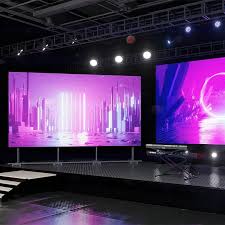
- Refresh Rate: High refresh rates (≥3,840 Hz) are essential for smooth motion rendering, especially for live-action sports broadcasting.
- Viewing Angle: A wide viewing angle (≥140° horizontal and vertical) ensures good visibility for all attendees, regardless of their seating position.
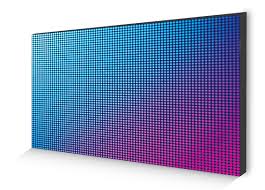
- Durability Standards: Look for IP65 or higher ratings to ensure protection from water, dust, and impact.
#Applications of LED Displays in Sports
LED displays come in many forms, each serving distinct purposes in sports environments:
1. Scoreboards: These are the heart of every sports venue, displaying live scores, timekeeping, and player statistics.
2. Perimeter LED Boards: These are used around the field or court for dynamic advertising and branding.
3. Jumbotron Screens: Massive displays in arenas show replays, highlights, and fan cams, creating a more immersive experience.
4. Directional Signage: LED screens are also used for wayfinding, guiding spectators to their seats, restrooms, and exits.
5. Player Training Screens: LED displays in practice facilities help athletes analyze performance in real time.
#Case Studies: LED Displays in Action
1. SoFi Stadium, Los Angeles: SoFi Stadium boasts the world’s largest LED video board, a 70,000-square-foot double-sided 4K display. This screen provides fans with a 360-degree viewing experience, ensuring no detail is missed.
2. Wimbledon Tennis Championships: The use of high-definition LED video walls at Wimbledon allows fans to follow the action on multiple courts simultaneously, even from the grounds outside the main stadium.
3. Qatar 2022 FIFA World Cup: The perimeter LED boards and large-format screens enhanced game-day broadcasting and advertising during the World Cup, captivating millions of fans globally.
#How to Choose the Best LED Display Solution for Sports Events
Selecting the right LED display for your sports venue depends on various factors:
- Venue Size: Larger venues require high-brightness, large-format displays with wide viewing angles.
- Purpose: Define whether the screen will primarily be used for live gameplay, advertising, or fan engagement.
- Budget: A well-thought-out budget considering installation, maintenance, and operating costs will help narrow your choices.
- Local Regulations: Ensure that the LED displays comply with local safety standards and environmental regulations.













