

##Manufacturing Process and Ke...
##Manufacturing Process and Key Components
Producing a high-performance LED LCD screen is a multi-step process involving advanced engineering and cutting-edge technology.
1. Base Components: LCD Panel and LED Backlight
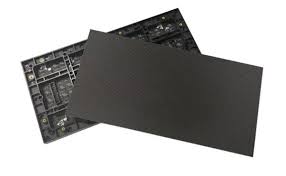
- LCD Panel: The panel consists of liquid crystal molecules sandwiched between two glass substrates. Thin-film transistors (TFTs) control the alignment of these molecules to regulate light passage.
- LED Backlight: LEDs are strategically placed to provide uniform illumination. Common configurations include edge-lit and direct-lit designs. Edge-lit displays are thinner, while direct-lit models offer better brightness uniformity.
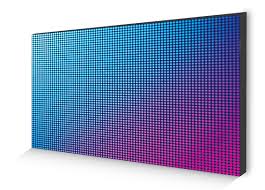
2. Color Filters and Polarizers
A color filter array is applied to the LCD panel to produce vibrant red, green, and blue (RGB) colors. Polarizer films are then affixed to control the alignment of light waves, ensuring optimal visibility from wide viewing angles.
3. Driver IC and Printed Circuit Board (PCB)
Driver Integrated Circuits (ICs) and PCBs play a pivotal role in controlling pixel activation. High-performance drivers ensure seamless refresh rates, a crucial factor for applications like gaming and broadcasting.
4. Module Assembly
The core components, including the LED backlight, LCD panel, and driver circuitry, are assembled in a dust-free cleanroom environment. This ensures maximum clarity and prevents defects caused by particulate contamination.
5. Testing and Calibration
Post-assembly, each screen undergoes rigorous testing to ensure consistent brightness, accurate color reproduction, and pixel integrity. Advanced calibration tools help manufacturers fine-tune parameters such as contrast ratio, color temperature, and luminance.
##Key Technical Parameters in LED LCD Displays
1. Resolution
Resolution refers to the number of pixels displayed. Common resolutions include Full HD (1920x1080), 4K UHD (3840x2160), and 8K UHD (7680x4320). The higher the resolution, the sharper and more detailed the image.
2. Refresh Rate
Measured in Hertz (Hz), this parameter indicates how many times the screen updates its image per second. Gaming displays often feature refresh rates of 120Hz or 240Hz to ensure smooth visuals.
3. Brightness and Contrast Ratio
Brightness, measured in nits, defines how luminous the screen can get. Values typically range from 300 nits for indoor displays to over 1,000 nits for outdoor usage. The contrast ratio measures the difference between the darkest and brightest parts of an image, contributing to deeper blacks and more vivid colors.
4. Color Gamut
The color gamut describes the range of colors the screen can accurately reproduce. Wide color gamut (WCG) displays, such as those supporting DCI-P3 or Rec. 2020, are essential for HDR (High Dynamic Range) content.
5. Response Time
Response time refers to the speed at which a pixel changes from one color to another, measured in milliseconds (ms). Low response times (e.g., 1ms) are vital for reducing motion blur in fast-paced applications.
##Challenges in Manufacturing
Despite its advancements, LED LCD screen manufacturing faces several challenges:
- Miniaturization: As consumer demand shifts toward thinner devices, compact LED packaging and ultra-thin substrates are becoming critical. However, smaller components often lead to more heat generation and mechanical instability.
- Uniformity: Achieving flawless brightness and color uniformity across large screens requires meticulous calibration and advanced optical films.
- Sustainability: LED LCD manufacturing must align with increasingly stringent environmental regulations. Initiatives such as reducing hazardous materials and improving energy efficiency are vital for a sustainable future.
##Future Innovations and Industry Trends
1. MicroLED and MiniLED Technologies
Emerging technologies like MicroLED and MiniLED are improving pixel precision and brightness control. These advancements bridge the gap between traditional LED LCDs and technologies like OLED.
2. Integration of AI and IoT
AI-powered displays can automatically adjust brightness, contrast, and color temperature based on ambient conditions. Similarly, IoT-enabled screens allow real-time monitoring and diagnostics.
3. Flexible and Transparent Displays
Flexible LED LCD panels are already being explored for wearable devices and automotive applications. Transparent screens, with their futuristic appeal, could revolutionize storefront advertising and smart glass.
##Conclusion
LED LCD screen manufacturing is a prime example of the interplay between cutting-edge science and meticulous craftsmanship. From enhancing brightness uniformity to integrating AI-driven features, the industry is on a trajectory of continuous innovation. For engineers, designers, and manufacturers, understanding the nuances of this technology is essential for navigating its challenges and harnessing its potential.













