

#2. Key Manufacturing Processe...
#2. Key Manufacturing Processes in LED LCD Screen Production
a. Panel Development and Assembly
The manufacturing of LED LCD screens starts with the production of the LCD panel, which involves complex steps such as:
- Thin-film transistor (TFT) array fabrication: A critical layer that controls the display's pixels.
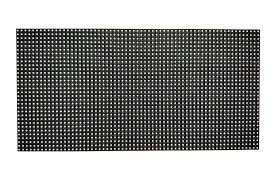
- Cell assembly: The process of combining the TFT array with a color filter and liquid crystal material.
- Backlight unit (BLU) integration: Incorporating LED backlighting for uniform illumination.
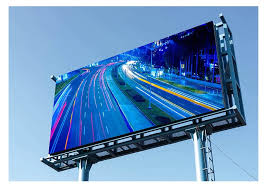
This stage demands precision machinery and cleanroom environments to ensure high-quality results free from defects like dead pixels or uneven backlighting.
b. LED Backlight Design and Customization
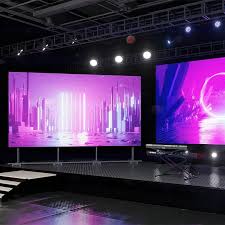
LED quality directly impacts the performance of the screen. Manufacturers meticulously select and test LEDs for:
- Color temperature (measured in Kelvin) to ensure a consistent visual experience.
- Brightness levels (typically measured in nits), which range from 300-500 nits for indoor displays to over 5,000 nits for outdoor signage.
- Lifespan and power efficiency, typically rated at 50,000 hours or more.
LED customization also allows for features like HDR support, enhancing the dynamic range for richer colors and deeper blacks.
c. Optical Coatings and Enhancements
Advanced screens often feature anti-reflective coatings, blue-light filters, and quantum dot technology to improve visual clarity, viewer comfort, and color precision. Quantum dots, for instance, boost color gamut coverage, achieving over 90% DCI-P3 in high-end displays.
#3. Challenges in LED LCD Screen Manufacturing
Despite their popularity, manufacturing LED LCD screens is not without challenges:
- Uniformity of Backlighting: Achieving consistent brightness across the entire screen remains a technical hurdle, especially in edge-lit designs.
- Competing with OLED Technology: While LED LCDs are cost-efficient and durable, OLED displays offer superior contrast and viewing angles, putting pressure on manufacturers to innovate.
- Environmental Sustainability: Reducing the carbon footprint and waste generated during production is becoming a critical focus for the industry.
Leading manufacturers are addressing these challenges through automation, advanced materials, and eco-friendly practices.
#4. Emerging Trends in the LED LCD Industry
a. Mini-LEDs and Micro-LEDs
Mini-LED and Micro-LED technologies represent the next frontier in display innovation:
- Mini-LEDs offer greater control over dimming zones, significantly improving contrast and reducing halo effects.
- Micro-LEDs, with their self-emissive nature, blur the line between LED LCD and OLED technologies, promising unparalleled brightness and durability.
b. 8K Displays and Higher Resolutions
With the growing adoption of 4K screens, the industry is shifting focus toward 8K displays, particularly in commercial applications like medical imaging, broadcasting, and gaming. These ultra-high resolutions require advanced manufacturing techniques and more efficient backlighting systems.
c. Flexible and Transparent Displays
Flexible LED LCD screens, often used in curved monitors and automotive dashboards, are rising in demand. Transparent displays, which allow viewers to see through the screen when not in use, are also gaining traction in retail and architecture.
d. Smart and IoT-Integrated Displays
The integration of Internet of Things (IoT) functionalities into LED LCD screens is revolutionizing digital signage, where screens can collect and analyze data for personalized advertising or enhanced user experiences.
#5. Final Thoughts on Industry Standards and Future Growth
The LED LCD industry is governed by precise standards to ensure product quality, including ISO 9241-307 (ergonomic testing of visual displays) and IEC 62368-1 (safety requirements for IT equipment). As the market advances, adherence to these standards, coupled with innovations in materials and technology, will shape the future of LED LCD screens.
Looking ahead, manufacturers must balance performance improvements with sustainability goals. Strategies like recycling rare earth materials, adopting energy-efficient manufacturing, and extending screen longevity will play a pivotal role in aligning the industry with global environmental priorities.
In conclusion, LED LCD screens remain a cornerstone of the display market, evolving in tandem with consumer preferences and technological leaps. By staying informed about these advancements, businesses and consumers alike can make smarter investments in display technology.













