

The Essential Guide to LED LCD Screen Manufacturing: Processes, Technology, and Best Practices
The LED LCD screen industry has seen transformative advancements over the years, driven by the increasing demand for high-quality displays in consumer electronics, digital signage, automotive displays, and more. As an LED display engineer, I’ve been closely involved in various aspects of manufacturing, from raw materials selection to final screen assembly. This article delves into the technicalities, processes, and key considerations you need to know about manufacturing LED LCD screens.
#Understanding LED and LCD Technology
Before diving into the manufacturing process, it’s crucial to differentiate between LED and LCD technology. Contrary to common misconceptions, LCD (Liquid Crystal Display) screens use a liquid crystal layer to control light passage, while LED (Light Emitting Diode) refers to the backlight technology used to illuminate the LCDs.
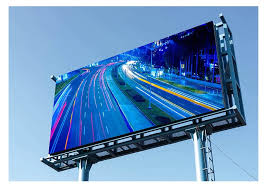
LED LCD screens combine these technologies: LCDs provide the visual display, while LEDs act as the backlighting source, offering sharper images, better color accuracy, and energy efficiency. Commonly, LED backlighting is categorized into edge-lit, direct-lit, and full-array configurations, each suited to different use cases.
#Materials and Components
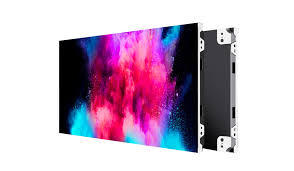
The quality of an LED LCD screen hinges on the selection of its materials. Key components include:
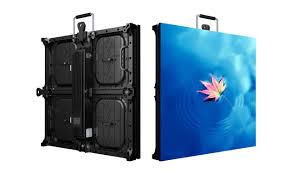
1. LCD Panel: Comprising multiple layers such as a color filter and liquid crystal layer.
2. LED Backlight: Typically white or RGB LEDs, depending on the application.
3. Driver ICs: Control electrical signals for pixel activation.
4. Polarizers: Essential for controlling light passage and brightness.
5. Printed Circuit Boards (PCBs): House the drivers and electronic circuits.
#Manufacturing Process
##1. Substrate Preparation
Screen manufacturing begins with preparing the glass substrates for the LCD panel. These ultra-thin glass substrates are cleaned and coated with alignment layers to guide the liquid crystals.
##2. Liquid Crystal Layer Assembly
Liquid crystal material is injected between two glass substrates. This layer is where pixel modulation occurs, controlling light to create the desired image. Precise control of material uniformity is critical, as any defects will affect screen quality.
##3. Backlight Installation
LED chips are mounted on a reflective surface to enhance light uniformity. Advanced techniques, such as chip-on-board (COB) technology, are often used to improve thermal management and enhance brightness.
##4. Color Filter Application
A color filter is applied to create RGB subpixels. High-quality filters ensure accurate color reproduction.
##5. Assembly and Integration
The LCD panel and LED backlight are integrated, along with the driver ICs, polarizers, and PCBs. Automation plays a significant role in maintaining precision during assembly.
##6. Testing and Calibration
Every screen undergoes rigorous testing for brightness, color accuracy, uniformity, and resolution. Calibration ensures performance consistency and adherence to industry standards such as sRGB, DCI-P3, or Rec. 709 color gamuts.
#Quality Control
Defect-free screens are a priority for manufacturers. Common defects, such as dead pixels or backlight bleeding, are identified during the production process through automated optical inspection (AOI) and human visual checks. Additionally, environmental stress tests may be conducted to evaluate screen durability under extreme conditions.
#Emerging Trends in LED LCD Manufacturing
- Mini-LED and Micro-LED Backlighting: These technologies offer finer control over brightness and contrast, significantly enhancing display performance.
- Quantum Dot Enhancement: Quantum dots improve color gamut and energy efficiency by converting blue LED light into precise RGB spectra.
- Flexible Displays: Advances in material science are enabling the production of bendable and foldable LED LCD screens.
- Sustainability: Manufacturers are increasingly adopting eco-friendly practices, such as using recyclable materials and reducing energy-intensive processes.
#Best Practices for Excellence in Manufacturing
1. Supply Chain Optimization: Partner with reliable suppliers for high-quality components.
2. Precision Engineering: Invest in automated machinery for consistent quality.
3. Stringent Testing Protocols: Ensure each screen meets rigorous performance standards.
4. Continuous Research and Development: Stay ahead by adopting emerging technologies and materials.
5. Employee Training: Equip staff with the skills needed to operate advanced manufacturing equipment.
#Conclusion
The manufacturing of LED LCD screens is a sophisticated process requiring meticulous attention to detail, state-of-the-art technology, and a commitment to excellence. Whether you’re a manufacturer or an end-user seeking insight into the production of these screens, understanding the processes and trends can help you appreciate the complexities behind every display.
With the continuous evolution of display technology, the future of LED LCD screens looks brighter than ever, promising innovations that will reshape industries and redefine the visual experience.













