

Small Pixel Pitch LED Display: Revolutionizing Visual Excellence
Small pixel pitch LED displays have emerged as the epitome of advanced visual technology, offering unparalleled image clarity, exceptional performance, and versatile applications. As industries demand increasingly detailed and immersive displays, the adoption of small pixel pitch (SMD) LED screens has surged worldwide, transforming everything from retail environments and corporate boardrooms to broadcast studios and control rooms.
#What is a Small Pixel Pitch LED Display?
A small pixel pitch LED display is characterized by its reduced pixel pitch — the distance between the centers of two adjacent LED pixels. Typically, any LED display with a pixel pitch of less than 2.5mm falls into this category. By shrinking the pixel pitch, these displays provide higher pixel density, enabling ultra-high-definition (UHD) resolutions even at closer viewing distances.
##Technical Parameters of Small Pixel Pitch Displays
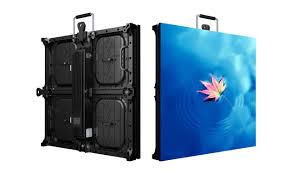
Here are the core specifications that define small pixel pitch LED displays:
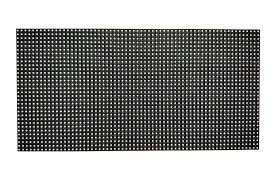
1. Pixel Pitch (P1.2, P1.5, P1.8, etc.): Smaller pixel pitches offer higher resolution but require more LEDs per square meter. For instance, a P1.2 display has a pitch of 1.2mm, providing greater detail compared to a P2.0 display.
2. Resolution: Directly proportional to pixel density, small pixel pitch displays offer Full HD, 4K, or even 8K resolutions depending on the screen size.
3. Brightness: Typical brightness levels range between 600–1200 nits for indoor use, ensuring visibility without glare or eye strain.
4. Refresh Rate: A refresh rate of 1920Hz–3840Hz ensures smooth content playback, making these displays suitable for dynamic environments like live broadcasting.
5. Viewing Angle: With viewing angles as wide as 160°, small pixel pitch displays deliver consistent image quality across diverse seating positions.
6. Color Accuracy: Advanced calibration ensures color fidelity, achieving high grayscale performance even at low brightness levels.
#Key Benefits of Small Pixel Pitch LED Displays
##1. Enhanced Visual Impact
High pixel density and fine resolutions make these displays ideal for delivering crisp and vibrant visuals. Whether showcasing intricate graphics or displaying real-time data, the images remain distortion-free, even at close viewing distances.
##2. Seamless Visual Experience
Thanks to edge-to-edge modular design technology, small pixel pitch LED displays eliminate bezels, offering a truly seamless visual experience. This is especially valuable in video walls used for control rooms and command centers.
##3. Long Lifespan
Modern LEDs are designed to last over 100,000 hours. In addition, advanced heat dissipation technologies and energy-efficient designs ensure minimal degradation of brightness and color over time.
##4. Versatility
Small pixel pitch LED screens are highly adaptable, supporting various installation methods such as wall-mounted, ceiling-hung, or free-standing configurations. Moreover, they can handle a wide range of content formats, from static images to dynamic videos.
##5. Low Maintenance and Cost-Efficiency
With front-accessible maintenance features and robust LED diodes, these displays are designed to minimize operational downtime. Although the initial investment may be high, lower long-term maintenance costs justify the expenditure for many users.
#Applications of Small Pixel Pitch LED Displays
The versatility of small pixel pitch LED displays makes them suitable for a wide variety of applications across industries:
- Broadcast and Studios: Deliver high-definition visuals for on-camera backdrops and real-time video feeds.
- Corporate Environments: Ideal for presenting detailed data during board meetings, conferences, and training sessions.
- Retail and Advertising: Elevate the customer experience with bright, dynamic, and immersive advertising content.
- Control Centers: Seamlessly display critical data for sectors such as transportation, defense, and emergency response.
- Entertainment Venues: Create immersive experiences in theaters, museums, and theme parks.
#Challenges and Solutions in Small Pixel Pitch LED Manufacturing
##1. Heat Management
Smaller pixel pitches mean denser LED arrays, which generate more heat. Advanced thermal management solutions, such as aluminum housing and heat dissipation modules, are essential to prevent overheating.
##2. Cost of Miniaturization
Manufacturing smaller LEDs requires precision engineering and specialized equipment, increasing production costs. However, economies of scale and technological advancements are gradually driving down prices.
##3. High Calibration Requirements
For optimal color accuracy and uniformity, precision calibration is critical. Most manufacturers utilize automated calibration systems to achieve consistency across modules.
##4. Durability Challenges
Given the compact size of components, small pixel pitch LEDs are more delicate. Reinforcement with protective coatings and structural designs mitigates this issue.
#Future Trends in Small Pixel Pitch LED Displays
The relentless pace of innovation in display technology promises exciting advancements for small pixel pitch LEDs:
- MicroLED Technology: MicroLEDs, offering even smaller diodes and improved contrast ratios, are poised to redefine the boundaries of pixel pitch.
- AI-Based Calibration: Leveraging AI algorithms to automate and refine calibration processes for superior image quality.
- Flexible Displays: Stretchable and foldable LED displays with small pixel pitches will create new opportunities for creative design.
- Improved Energy Efficiency: Research into low-power diodes will reduce energy consumption, benefiting environmentally-conscious applications.
#How to Select the Right Small Pixel Pitch LED Display
To make an informed decision, consider the following factors:
1. Viewing Distance: Choose a pixel pitch that matches the typical viewing distance of your application. For instance, a P1.5 display is ideal for distances of 1.5–2 meters.
2. Screen Size: Larger displays need higher resolutions to maintain clarity.
3. Environment: Consider brightness, ambient lighting, and whether the display will be used indoors or outdoors.
4. Budget: Balance initial investment with long-term operational costs.
5. Reputable Manufacturer: Work with trusted suppliers who adhere to industry certifications (e.g., ISO, CE, RoHS) and offer after-sales support.
#Conclusion
Small pixel pitch LED displays represent a transformative leap in display technology, offering unmatched clarity and performance across diverse applications. While challenges in production and cost remain, continuous innovation ensures their relevance in a digital-first world. Whether for enhancing corporate communication or captivating audiences with immersive content, small pixel pitch LED displays are the definitive choice for industries seeking visual excellence.













