

Understanding the Manufacturing Process and Technical Insights of LED LCD Displays
The global demand for LED LCD displays has soared in recent years, driven by their diverse applications in televisions, monitors, digital signage, and other consumer electronic devices. Their popularity stems from high brightness, energy efficiency, and superior image quality. In this article, we delve into how these displays are manufactured, the critical technical parameters involved, and the industry standards shaping this field.
1. Core Components of an LED LCD Display
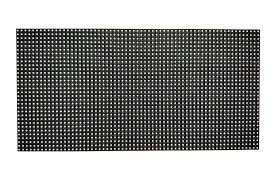
An LED LCD display comprises several critical components:
- LED Backlight: Provides the light source for the display. LEDs are chosen for their energy efficiency and uniform brightness.
- Liquid Crystal Layer: Manages the light passing through to create images by rotating polarized light.
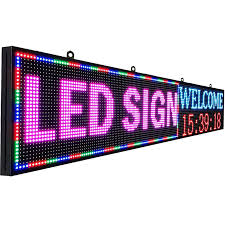
- TFT (Thin-Film Transistor): Controls individual pixels accurately, allowing high-resolution displays.
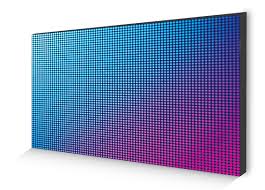
- Polarizers: Ensure that only the light aligned to a specific angle passes through.
- Color Filters: Create accurate colors by filtering light into red, green, and blue subpixels.
Each of these components requires meticulous engineering and quality assurance to ensure optimal performance.
2. Manufacturing Process
The production of an LED LCD display involves several key stages:
- Substrate Preparation: The glass substrate, typically coated with indium tin oxide (ITO), serves as the base for the TFT array. ITO is a transparent conductor essential for pixel control.
- TFT Array Fabrication: Using photolithography, transistors are deposited layer by layer to create a matrix for controlling individual pixels. The precision of the TFT array directly influences resolution and uniformity.
- Liquid Crystal Injection and Assembly: The two glass substrates sandwich liquid crystals, sealed with epoxy resin. Spacers are uniformly distributed to maintain the correct cell thickness, which is critical for light modulation.
- Backlight Integration: The LED backlight panel is attached behind the liquid crystal module. Uniform light diffusion films and reflectors ensure consistent brightness across the display.
- Polarizer and Color Filter Installation: Polarizers are adhered to both sides of the module, and the color filters align with each pixel to produce vivid colors.
- Final Assembly and Testing: The display undergoes electrical testing, brightness calibration, and visual inspections for defects such as dead pixels or inconsistencies.
3. Critical Technical Parameters
When evaluating LED LCD displays, several technical parameters are crucial:
- Resolution: Defines the number of pixels horizontally and vertically, e.g., 1920x1080 (Full HD) or 3840x2160 (4K). Higher resolution translates to sharper images.
- Brightness: Measured in nits (cd/m²), standard displays range from 250 to 400 nits, while digital signage can exceed 1,000 nits for outdoor visibility.
- Refresh Rate: Indicates how often the image is refreshed per second (Hz). Common rates include 60Hz, 120Hz, and 240Hz, with higher rates providing smoother motion.
- Contrast Ratio: Represents the difference between the darkest black and the brightest white, crucial for color depth and image clarity.
- Response Time: The time it takes for a pixel to change from one color to another, typically 1-5ms for high-end displays.
4. Industry Standards and Quality Control
To maintain performance and safety, manufacturers adhere to international standards:
- ISO 13406-2: Governs pixel defect tolerance in displays.
- IEC 62715 Series: Covers requirements for electronic displays.
- RoHS Compliance: Ensures the reduction of hazardous substances in the production process.
Quality control measures include aging tests, thermal cycling, and optical performance evaluations. These processes help manufacturers deliver displays that meet the rigorous demands of consumers and industrial users.
5. Innovations and Future Trends
The LED LCD display industry continues to evolve with innovations such as:
- Mini-LED Backlighting: Provides superior brightness and local dimming zones for enhanced contrast.
- Quantum Dot Technology: Improves color accuracy and expands the color gamut.
- Flexible Displays: Emerging technologies enable bendable and foldable screens, opening new possibilities in design.
Additionally, sustainability is a growing focus, with manufacturers seeking to reduce energy consumption and incorporate recyclable materials.
Conclusion
Producing an LED LCD display is a highly sophisticated process that requires precision engineering, adherence to international standards, and continuous innovation. Understanding the intricacies of manufacturing and the technical parameters can help consumers and businesses make informed choices when selecting displays. As the industry advances, LED LCD technology will remain a cornerstone of modern visual communication and entertainment systems.













