

Taxi Top LED Display Price: A Comprehensive Guide to Costs and Factors
The popularity of taxi top LED displays has surged in recent years, becoming a key advertising medium in urban environments. Offering unmatched visibility and dynamic content, these displays deliver a cost-effective way for brands to reach large audiences. But how much does a taxi top LED display cost? The answer lies in several variables that influence pricing. This guide will break down the factors that impact the price while providing insights into choosing the right display for your needs.
#Factors Affecting Taxi Top LED Display Prices
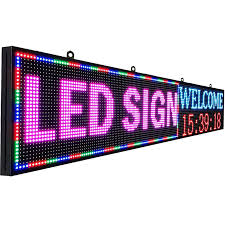
1. Display Size and Resolution
The size and resolution of the LED screen are primary determinants of cost. Higher resolution screens, such as P2.5 or P3.0 (indicating the pixel pitch in millimeters), often cost more but deliver sharper image quality. Typical taxi top LED displays range from 960mm x 320mm to 1200mm x 400mm, with prices increasing proportionally with size and pixel density.
2. Brightness Levels
Taxi top displays must remain visible in various lighting conditions, including direct sunlight. Displays with higher brightness levels, measured in nits (e.g., 5,000 to 7,000 nits), generally cost more but are essential for outdoor applications.
3. Material and Build Quality
The casing and protective materials, such as waterproof and dustproof enclosures, also impact pricing. High-grade aluminum or steel enclosures designed for IP65 or IP66 ratings ensure longer lifespan and durability, albeit at a higher cost.
4. Control Systems and Features
Advanced control systems enabling remote content updates, GPS synchronization, and real-time monitoring add to the cost. Software compatibility for managing multiple displays remotely is a feature many advertisers are willing to pay a premium for.
5. Customization Options
Tailoring the display to specific needs, such as dual-sided screens or curved designs, can increase the price. However, these customizations often yield higher engagement rates, justifying the investment.
6. Power Consumption
Energy-efficient LED displays reduce operational costs over time. Models incorporating low-power consumption technologies may have a higher upfront price but offer better ROI in the long run.
#Typical Costs of Taxi Top LED Displays
As of 2023, the price for standard taxi top LED displays ranges between $500 and $2,500 per unit, depending on the specifications mentioned above. Entry-level models with basic features and lower resolutions start at the lower end, while high-resolution, feature-rich displays can exceed $3,000.
#Hidden Costs to Watch Out For
While focusing on the base price, it's crucial to consider additional expenses such as:
- Installation and Mounting Hardware: Professional installation is often required and may add $200-$500 per unit.
- Maintenance Costs: Regular inspections and occasional repairs are crucial for long-term performance.
- Licensing and Permits: Local regulations may require permits for using taxi top LED displays, which can incur extra fees.
#How to Make an Informed Purchase
When choosing a taxi top LED display, it's essential to balance cost with performance and durability. Here are some tips:
- Work with Reputable Manufacturers: Opt for companies with a proven track record and certifications like CE, FCC, and RoHS.
- Request Samples: Before placing bulk orders, test a sample unit to evaluate its performance.
- Check Warranty and Support: A longer warranty period (typically 2-3 years) and accessible customer support make a significant difference in overall value.
#Future Trends in Taxi Top LED Displays
As technology advances, we can expect further innovations in taxi top LED displays. Integration with AI for targeted advertising, improved energy efficiency through micro-LED technology, and enhanced durability will likely drive future pricing trends. While costs may initially rise due to these new features, the long-term savings and improved impact will make them worthwhile investments.
In conclusion, taxi top LED display prices vary significantly based on size, resolution, brightness, and additional features. By understanding the factors contributing to cost, businesses can make smarter purchasing decisions that maximize the ROI of their advertising campaigns.













