

The Evolution of LED LCD Screens: Applications, Advantages, and Industry Trends
The LED LCD screen industry has experienced tremendous growth and innovation over the past decade. As a professional LED display engineer, I am privileged to witness these advancements firsthand. This article explores the practical applications, advantages, common challenges, and emerging trends shaping the LED LCD display market today.
#Practical Applications of LED LCD Displays
One of the reasons LED LCD screens have become ubiquitous is their versatility. These displays are widely deployed across industries, including:
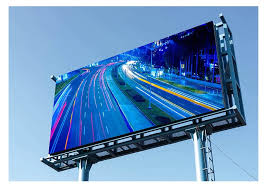
1. Advertising and Marketing: LED walls dominate outdoor and indoor advertising due to their bright, high-resolution visuals and energy efficiency. Digital billboards powered by LED LCD screens are replacing static signage, offering dynamic content delivery that captivates audiences.
2. Broadcasting and Control Rooms: The superior refresh rates and color accuracy of LED LCD screens make them an ideal choice for real-time monitoring and live broadcasts. Control rooms in industries like transportation, defense, and surveillance rely on modular LED solutions for seamless video walls.
3. Entertainment and Events: Concerts, sporting events, and exhibitions use large-format LED displays for immersive experiences. With options like curved, foldable, and transparent screens, event organizers can create unique and engaging environments.
4. Retail and Hospitality: In-store displays, menu boards, and interactive kiosks employ LED LCD technology to enhance customer engagement. These screens deliver crisp visuals even in brightly lit environments.
5. Smart Cities and Public Information: From transportation hubs to smart city initiatives, LED screens are used for real-time announcements, wayfinding, and public messaging.
#Advantages of LED LCD Screens
LED LCD displays are preferred for several critical reasons:
1. Superior Brightness and Contrast: LEDs offer high luminance levels, making them suitable for both indoor and outdoor environments. Advanced technologies like quantum dot enhancement further improve brightness and color gamut.
2. Energy Efficiency: Compared to traditional LCDs or plasma displays, LED-backlit screens consume significantly less energy, reducing operational costs over time.
3. Long Lifespan and Durability: LED displays boast a lifespan of up to 100,000 hours with proper maintenance. They are designed to withstand environmental stressors, such as temperature variations and humidity.
4. Flexibility and Scalability: LED modules can be configured in various sizes, shapes, and resolutions, providing unmatched versatility. Whether creating a 4K display panel or a custom wrap-around screen, the modularity of LED technology allows endless possibilities.
5. Low Maintenance Requirements: With fewer moving parts and inherent reliability, LED LCD screens require minimal upkeep, leading to lower long-term maintenance costs.
#Common Problems and Solutions
Despite their advantages, LED LCD screens face some challenges. As an engineer, addressing these issues effectively is crucial for ensuring optimal performance.
1. Dead Pixels: One of the most common problems is the occurrence of "dead" or non-functional pixels. Regular quality checks during manufacturing and routine maintenance can minimize this issue.
2. Heat Dissipation: LED screens can generate significant heat, especially in outdoor settings. Designing robust heat management systems, such as aluminum heatsinks and advanced cooling mechanisms, is critical.
3. Color Calibration Issues: Over time, LED modules may exhibit slight differences in brightness and color. Advanced software solutions can automatically calibrate the screen to maintain uniformity.
4. Environmental Impact: Ensuring that displays are weatherproof for outdoor installations is vital. Using IP-rated enclosures (e.g., IP65 for water and dust resistance) can protect the screens.
5. Viewing Angle Limitations: While newer LED technologies like COB (Chip on Board) and fine-pitch LEDs have improved viewing angles significantly, achieving consistent performance over wide angles remains a priority for engineers.
#Latest Trends in LED LCD Technology
The future of LED LCD screens is promising, driven by rapid innovation and evolving market demands. Some of the most notable trends include:
1. MicroLED Technology: MicroLED displays eliminate the need for traditional backlighting by using microscopic LEDs as individual pixels. This results in superior brightness, contrast, and energy efficiency, rivaling OLED in performance while avoiding issues like burn-in.
2. Fine-Pitch LED Displays: The demand for high-resolution displays in smaller form factors is driving the adoption of fine-pitch LEDs. With pixel pitches as low as 0.7mm, these screens deliver unparalleled clarity for close-up viewing.
3. Flexible and Transparent Displays: Flexible LED panels enable creative installations, such as curved or rollable displays. Transparent LED screens are also gaining traction in retail and architectural applications, offering futuristic aesthetics without compromising visibility.
4. AI and IoT Integration: Artificial intelligence is being leveraged for real-time analytics, predictive maintenance, and dynamic content delivery. Meanwhile, IoT-enabled screens are playing a crucial role in smart city initiatives and connected ecosystems.
5. Sustainable Manufacturing Practices: With growing concerns about e-waste and energy consumption, manufacturers are prioritizing eco-friendly materials and energy-efficient production methods. The push for recyclable and biodegradable components is gaining momentum.
#Conclusion
The LED LCD screen industry continues to redefine visual communication and interactivity in various sectors. From its practical applications to its numerous advantages and the ongoing innovations, LED technology remains pivotal in shaping how we perceive and interact with digital media.
As advancements like MicroLED and AI integration become mainstream, the focus on delivering superior performance, sustainability, and cost-effectiveness will only grow stronger. For consumers and businesses alike, the future is undoubtedly bright—quite literally—with LED LCD technology leading the way.













