

2. Advantages of LED DisplaysL...
2. Advantages of LED Displays
LED technology offers numerous benefits compared to conventional LCD and projection systems:
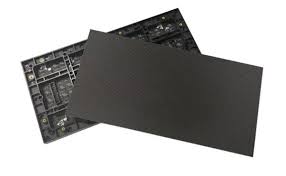
- Superior Brightness and Contrast: LEDs provide higher luminance and deep blacks, improving image quality in diverse lighting conditions.
- Wide Viewing Angles: Typically up to 160° horizontally and vertically, ensuring consistent color and brightness across large audiences.
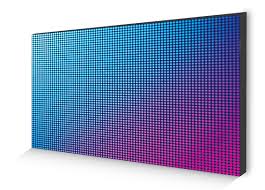
- Energy Efficiency and Longevity: Modern LEDs consume 30-50% less power than traditional display technologies, with operational lifespans exceeding 100,000 hours under proper maintenance.
- Robustness and Weather Resistance: Outdoor LED modules conform to IP65 or higher ingress protection standards, safeguarding against dust and water, essential for year-round operation.
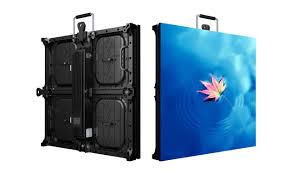
- Modular Design: Facilitating easy customization of size and resolution, and enabling straightforward servicing by swapping faulty modules without system downtime.
3. Common Challenges and Solutions in LED Display Systems
While LED displays boast numerous advantages, several issues require professional attention:
- Color Uniformity and Calibration: Variation in LED binning and aging can cause color inconsistencies. Regular color calibration using spectroradiometers adhering to IEC 62676-1 standards helps maintain color fidelity.
- Thermal Management: Overheating reduces lifespan and performance. Integrating efficient heat sinks, temperature sensors, and ventilation prevents thermal degradation.
- Signal Transmission and Latency: High-resolution LED walls demand stable and high-bandwidth signal transmission (HDMI 2.1, SDI, or fiber-optic links) to minimize latency and signal loss.
- Pixel Failure and Maintenance: “Dead pixels” or LED dropouts can degrade image quality. Utilizing redundant driver ICs and implementing pixel repair protocols enhance system reliability.
- Environmental Impact: Addressing blue light emission and electromagnetic interference (EMI) as per IEC 62471 and FCC regulations ensures health safety and electromagnetic compatibility.
4. The Latest Trends in LED Display Technology
Advancements are continually shifting the landscape of LED displays, impacting design, manufacturing, and utilization:
- MicroLED Technology: Self-emissive microLEDs with pixel sizes under 50 micrometers promise higher pixel densities, lower power consumption, and longer lifespans, potentially transforming direct-view displays and AR/VR devices.
- Flexible and Transparent LED Screens: Innovations in substrate materials enable curved, bendable, or see-through LED arrays, enhancing architectural integration and immersive advertising experiences.
- AI-Driven Content Management: Smart LED displays utilize artificial intelligence for dynamic content optimization based on audience demographics, time, and environmental lighting, maximizing engagement and efficiency.
- Improved Pixel Pitch Reduction: Development of ultra-fine pixel pitch LED panels (≤0.9 mm) rivals high-end LCD and OLED displays, facilitating indoor digital signage with unprecedented clarity.
- Energy Harvesting and Smart Sensors: Integration of ambient light sensors and power management circuits enables displays to adapt brightness automatically, conserving energy and improving user comfort.
5. Engineering Best Practices in Manufacturing
To ensure product excellence and competitive edge, adherence to rigorous engineering standards is critical:
- Employ IEC standards such as IEC 62368-1 for safety, IEC 60950-1 for IT equipment safety, and RoHS compliance for environmental safety.
- Implement automated optical inspection (AOI) and in-circuit testing (ICT) on LED modules to detect faulty components early.
- Utilize statistical process control (SPC) during manufacturing to maintain tight tolerances on pixel placement and soldering quality.
- Invest in quality raw materials from reputable manufacturers (e.g., Nichia, Cree, Osram LEDs) to guarantee intensity and color consistency.
Conclusion
LED display technology continues to shape the future of digital visualization across numerous industries. With superior brightness, energy efficiency, and versatility, LED displays outperform traditional display technologies in most practical scenarios. Awareness of potential technical challenges and adopting cutting-edge innovations help manufacturers and users harness maximum potential. As an experienced engineer, I recommend embracing the latest standards and trends to optimize LED display solutions that meet evolving market demands.













