

Main Body1. Key Components of ...
Main Body
1. Key Components of an LED LCD Screen
To understand LED LCD (Light Emitting Diode Liquid Crystal Display) manufacturing, one must first dissect its structure. A typical LED LCD screen consists of the following main components:
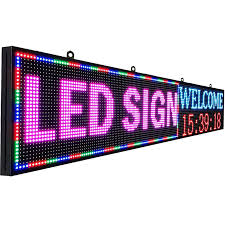
- Backlight Unit (BLU): The LED array provides the light source, improving brightness, energy efficiency, and color accuracy compared to CCFL (Cold Cathode Fluorescent Lamp) backlighting.
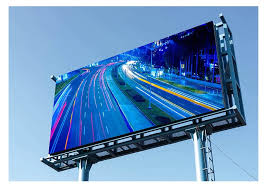
- Liquid Crystal Panel: This layer controls light transmission by modulating the orientation of the liquid crystals.
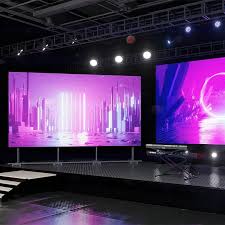
- Polarizers: Polarizing films ensure that light travels through the liquid crystal layer in a controlled, uniform direction.
- Color Filters: These filters enable the display to reproduce millions of colors by selectively passing the red, green, or blue components of light.
- Drive Electronics: These include thin-film transistors (TFTs) and integrated circuits (ICs) that control pixel activity.
2. Step-by-Step Manufacturing Process
The manufacturing of an LED LCD screen requires precision and adherence to rigorous quality standards:
- Substrate Preparation: A glass substrate is fabricated and coated with a conductive film, typically Indium Tin Oxide (ITO), to create the base layer for the display.
- TFT Layer Deposition: Using photolithography, thin-film transistors are deposited on the substrate to create the active matrix. These transistors control each individual pixel or subpixel.
- Liquid Crystal Injection: Liquid crystals are injected into the gap between two glass substrates, which have been pre-coated with alignment layers. This step requires extreme precision to ensure uniformity.
- Backlight Assembly: LED arrays are installed as the backlight source. Advanced designs may feature edge-lit or direct-lit LED configurations for optimal performance.
- Color Filter and Polarizer Application: The color filters and polarizers are layered onto the display substrate to enhance image clarity and coloration.
- Encapsulation and Sealing: The entire panel is sealed to prevent contamination and protect the internal components.
- Module Assembly and Testing: The completed panel is integrated with drive electronics, and the module undergoes rigorous testing for color accuracy, brightness, response time, and uniformity.
3. Technical Parameters to Watch For
The performance of an LED LCD screen is determined by several critical parameters:
- Resolution: Defined by pixel count (e.g., Full HD 1920x1080, 4K 3840x2160), resolution impacts display sharpness.
- Brightness: Measured in nits, higher brightness levels (e.g., 500-2000 nits) are essential for outdoor displays.
- Contrast Ratio: The ratio of the brightest whites to the darkest blacks determines the perceived depth of colors. A high contrast ratio, such as 5000:1, is preferred.
- Color Gamut: Coverage of color standards like sRGB, AdobeRGB, or DCI-P3 dictates color reproduction quality.
- Response Time: Lower response times (e.g., 1-5ms) minimize motion blur, crucial for gaming and video playback.
- Energy Efficiency: Power consumption metrics are critical for both device performance and environmental impact.
4. Innovations Driving the Industry
The LED LCD screen industry is undergoing rapid transformation, driven by technological advancements:
- Mini-LED and Micro-LED: These technologies improve brightness, contrast, and energy efficiency by utilizing smaller LEDs.
- Quantum Dot Enhancement: Quantum dot layers enhance color accuracy and brightness beyond traditional LCDs.
- In-Cell Touch Display: Integrated touch sensors within the LCD streamline screen design and improve touch accuracy.
- Flexible Displays: By using polymer substrates, manufacturers are producing bendable and foldable screens for new application possibilities.
5. Quality Assurance and Standards Compliance
Adhering to international standards like ISO 9001 and ISO 14001 ensures product quality and environmental sustainability. Moreover, rigorous testing protocols such as vibration tests, drop tests, and thermal cycling are employed to guarantee durability and reliability.
Conclusion
LED LCD screen manufacturing is a sophisticated process that requires cutting-edge technology, meticulous engineering, and strict adherence to quality standards. From assembling the backlight unit to integrating advanced technologies like quantum dots and Mini-LEDs, every step contributes to creating a product that meets the ever-increasing performance demands of modern consumers. As the industry continues to innovate, manufacturers must remain committed to sustainability, energy efficiency, and technological breakthroughs to stay competitive.
Whether you are considering investing in LED LCD production or seeking to optimize existing manufacturing processes, a deep understanding of technical parameters and industry practices is indispensable for success.













