

#What Are LED LCD Screens?LED ...
#What Are LED LCD Screens?
LED LCD screens combine LCD (Liquid Crystal Display) technology with LED (Light-Emitting Diode) backlighting. While LCD panels create images through manipulating liquid crystals, the LED backlight enhances brightness and energy efficiency. This hybrid design delivers sharper visuals, deeper contrasts, and lower power consumption compared to older LCD displays that used CCFL (Cold Cathode Fluorescent Lamps) backlighting.
Applications of LED LCD screens include:
1. Consumer Electronics: TVs, smartphones, tablets, and laptops.
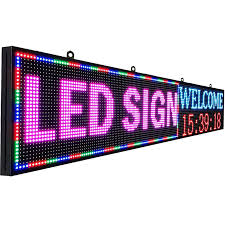
2. Public Displays: Billboards, transportation signage, and retail.
3. Medical Equipment: Surgical monitors and diagnostic tools.
4. Industrial Systems: Factory automation displays and testing equipment.
#Core Components of LED LCD Screens
Understanding the key components of an LED LCD screen is crucial for manufacturing and quality control. Below are the essential elements:
1. LCD Panel: Composed of liquid crystals sandwiched between polarizing layers. The images are generated when electrical currents align the liquid crystals.
2. LED Backlight: Provides illumination behind the LCD panel. LEDs can be arranged in edge-lit or direct-lit configurations, depending on design requirements.
3. Driver ICs: These integrated circuits control the operation of the LCD panel and regulate color, brightness, and refresh rates.
4. Glass Substrate: Thin, durable glass layers protect the screen while facilitating light transmission.
5. Diffuser and Reflector Films: These components optimize light uniformity across the display area.
6. PCB (Printed Circuit Board): Houses electronic components such as the driver ICs and power modules.
#Manufacturing Process of LED LCD Screens
Manufacturing LED LCD screens involves multiple steps that require precision and adherence to industry standards. Below is an overview of the key stages:
##1. Raw Material Selection
High-quality materials such as glass substrates, LED chips, and polarizing filters must be sourced from reputable suppliers to ensure product reliability.
##2. LCD Panel Assembly
The liquid crystal layer is assembled between polarizing films, followed by integration into the glass substrate. This process occurs in cleanrooms to prevent contamination.
##3. LED Backlight Installation
The backlight unit, consisting of LED arrays and optical films, is mounted behind the LCD panel. Edge-lit designs are thinner and more cost-effective, whereas direct-lit designs offer superior brightness and uniformity.
##4. Driver IC Integration
Driver ICs are installed on the PCB and connected to the LCD panel, ensuring proper electrical communication.
##5. Frame and Housing Assembly
A protective frame and housing are added to secure internal components and provide aesthetic appeal.
##6. Quality Testing
Each screen undergoes rigorous testing for brightness, contrast, uniformity, and response times. Standards such as ISO 9001 and IEC 62087 ensure product consistency and performance.
#Technical Parameters to Consider
When evaluating or manufacturing LED LCD screens, several technical parameters must be considered:
1. Resolution: Measured in pixels (e.g., Full HD 1920x1080 or 4K 3840x2160). Higher resolution screens offer sharper visuals.
2. Refresh Rate: Typically 60Hz, 120Hz, or 144Hz, depending on application. Higher rates reduce motion blur in dynamic scenes.
3. Color Gamut: Defines how many colors a screen can display (e.g., NTSC, sRGB). Wider color gamuts produce more vibrant visuals.
4. Brightness: Measured in nits. Public displays often require screens with 1000+ nits for visibility in sunlight.
5. Response Time: Measured in milliseconds (ms). Faster response times reduce ghosting effects during rapid motion.
6. Power Consumption: Optimized for energy-efficient designs. Most LED LCD screens fall within 50-150 watts depending on size and brightness.
#Industry Standards and Compliance
Adhering to industry standards is essential for ensuring product reliability and global market acceptance. Common standards include:
- ISO 9241-307: Ensures ergonomic requirements for electronic displays.
- IEC 62087: Provides measurement standards for energy consumption of displays.
- RoHS and REACH: Restricts hazardous substances in manufacturing processes.
- FCC Compliance: Necessary for products sold in the United States to ensure electromagnetic interference is within acceptable limits.
#Future Trends in LED LCD Screen Manufacturing
The LED LCD screen industry continues to evolve, driven by innovation and market demands. Key trends include:
1. Mini-LED and Micro-LED Technology: These advancements promise improved brightness and finer pixel control for enhanced image quality.
2. Flexible and Transparent Displays: Emerging designs allow displays to bend or integrate seamlessly into architectural elements.
3. Sustainability: Manufacturers are reducing e-waste and improving recyclability to meet global environmental goals.
4. Advanced Production Automation: AI and robotics are increasingly used to streamline manufacturing and reduce unit costs.













