

Advancing LED LCD Screen Manufacturing: Trends, Applications, and Challenges
The LED LCD display industry has grown exponentially in the past decade, driven by advancements in manufacturing technologies and increasing demand for high-quality, energy-efficient displays. From consumer electronics to outdoor advertising and control systems, these displays have become a cornerstone in modern visual communication. However, producing high-performance screens involves navigating a complex interplay of materials, technology, and design. This article delves into practical applications, the advantages of LED LCD displays, common challenges faced during manufacturing, and the latest industry trends.
#Practical Applications of LED LCD Displays
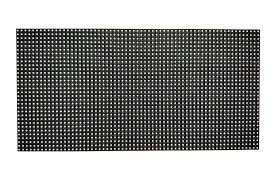
LED LCD screens have a wide range of applications across industries:
1. Consumer Electronics: LED LCDs are used in televisions, computer monitors, and mobile devices due to their superior picture quality, slim design, and energy efficiency.
2. Digital Signage: Retail stores, stadiums, and transportation hubs rely on LED LCD technology for dynamic, eye-catching displays that enhance customer engagement.
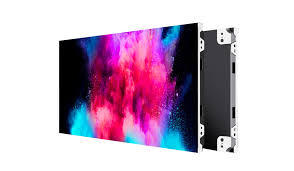
3. Broadcasting: Studios use LED walls for virtual sets and real-time graphics. The seamless blending of individual panels creates immersive visuals.
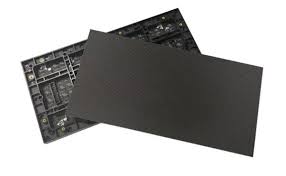
4. Industrial and Command Centers: High-resolution LED LCD panels are critical for real-time monitoring and data visualization in control rooms.
5. Healthcare: Medical imaging equipment leverages LED LCD displays to deliver high-contrast, accurate visuals critical for diagnostics.
#Advantages of LED LCD Displays
LED LCD displays offer several advantages over traditional display technologies:
- Energy Efficiency: By using LEDs as a backlight source instead of CCFLs (Cold Cathode Fluorescent Lamps), these displays consume significantly less power.
- Thin and Lightweight Design: LEDs allow for slimmer, lighter panels, making them ideal for portable applications like laptops and smartphones.
- High Brightness and Contrast: LED displays deliver superior brightness and contrast, making them suitable for outdoor and direct-sunlight applications.
- Customizable Sizes: Modular designs enable large-scale displays for venues like stadiums or customized small displays for niche applications.
- Longevity: High-quality LEDs have longer lifespans, reducing maintenance costs over time.
#Common Manufacturing Challenges
Despite the advantages, several challenges arise in the production and deployment of LED LCD screens:
1. Uniformity Issues: Achieving consistent brightness and color uniformity across the screen is complex, especially in larger displays. Variations in LED performance can lead to "mura" (a Japanese term for unevenness).
2. Thermal Management: LEDs generate heat during operation, and inadequate heat dissipation can degrade performance and lifespan. Advanced thermal management systems, including heat sinks and proper ventilation design, are vital.
3. Pixel Pitch and Resolution: In high-resolution displays, maintaining pixel consistency and reducing defects like dead pixels is a key manufacturing challenge.
4. Cost of Raw Materials: High-quality LEDs, polarizers, and liquid crystals can significantly drive up costs, especially for premium displays like 4K and 8K panels.
5. Environmental Factors: Outdoor displays face challenges like dust, moisture, and temperature fluctuations. Ensuring weatherproofing and robustness is crucial.
#Latest Trends in LED LCD Display Manufacturing
To meet evolving market demands, the industry is constantly innovating. Here are some of the most significant trends:
- Mini-LED and Micro-LED Technology: Mini-LED backlighting offers improved brightness and contrast compared to traditional LED LCDs, while Micro-LED displays provide exceptional image quality and energy efficiency.
- Flexible and Transparent Displays: Flexible LED LCD panels are gaining traction in wearable devices and futuristic applications, while transparent displays are being utilized in retail and automotive industries.
- Integration of AI and IoT: Smart displays integrated with AI and IoT capabilities can adapt content in real-time, enhancing user engagement and operational efficiency.
- Sustainability Initiatives: Manufacturers are focusing on eco-friendly practices, including the use of recyclable materials and energy-efficient production lines, to reduce the environmental impact.
- 8K Resolution and Beyond: With demand for ultra-high-definition content increasing, 8K and even 16K resolution displays are setting new benchmarks for image quality.
#Best Practices for Manufacturers
For manufacturers aiming to stay ahead in this competitive sector, adopting industry best practices is crucial:
- Quality Control: Implement stringent quality control protocols to ensure uniformity and minimize defects.
- Advanced Equipment: Invest in cutting-edge equipment for pixel mapping, calibration, and thermal management analysis.
- Customization: Offer tailor-made solutions to meet the specific demands of different industries.
- Training: Continuously train technical teams to keep up with evolving technologies and standards.
- Collaboration: Work closely with suppliers, designers, and end-users to optimize the production process and deliver superior products.
#Conclusion
The LED LCD display industry presents immense opportunities but requires overcoming technical challenges to meet customer expectations. As Mini-LED, Micro-LED, and AI-powered technologies gain ground, manufacturers must prioritize innovation, quality, and sustainability. By staying aligned with market demands and leveraging advancements, businesses can carve a leading edge in this dynamic and fast-growing sector.













